Same Supplies, Better Box: Closing the Loop on Campus Shipping
How one campus building manager is rethinking the supplies behind scientific discovery –helping labs be more circular.
The campus electric load is forecasted to exceed 80% capacity each day this week. Please reduce electricity from 2 to 6 p.m. this week to protect our overall campus power supply. (sustainable.stanford.edu/power-smart)

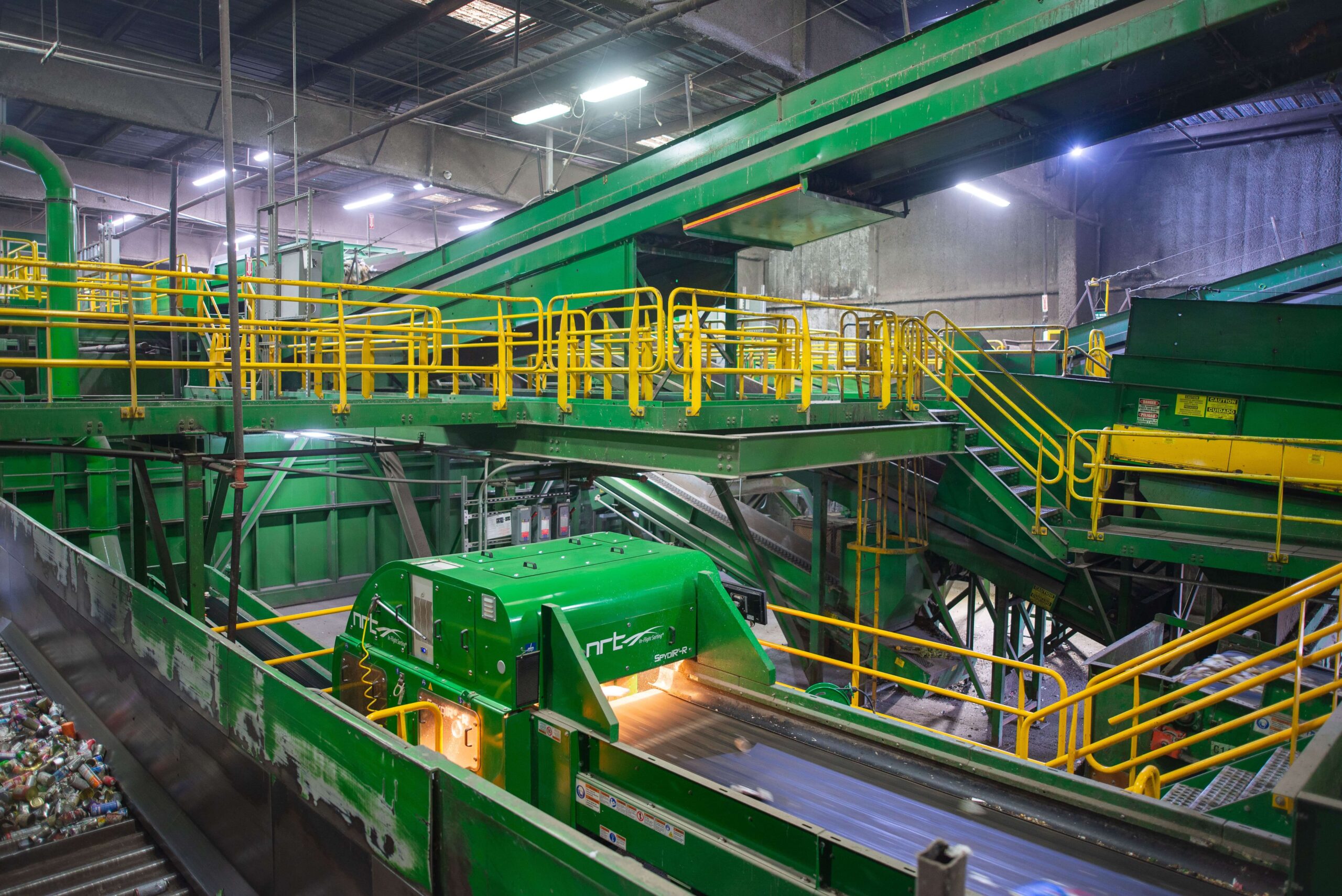
Stanford’s recyclables and construction material are sent to GreenWaste, a local, award-winning facility in San Jose. Materials are separated by commodity type using robotics, optical separation, and other technological advancements to achieve higher diversion rates and reduce the amount going to landfill. GreenWaste recovers at least 85% of the material that it processes. Along with being a LEED-certified facility, GreenWaste was also the first facility in California to receive third-party certification of its recycling rates, helping to increase transparency and maintain accountability.
Stanford’s compostable materials are handled in two innovative ways. Food scraps from dining halls are sent to a facility in Santa Clara, Sustainable Alternative Feed Enterprises (SAFE), to be reprocessed into animal feed. The rest of Stanford’s compostable materials (including yard trimmings, paper towels, and compostable packaging) are sent to Republic Services’ Newby Island compost facility in San Jose. There the materials are turned into compost, a rich soil amendment to help grow food and feed the soil, supporting local agricultural and landscaping industries.
How one campus building manager is rethinking the supplies behind scientific discovery –helping labs be more circular.
There is no excerpt because this is a protected post.
There is no excerpt because this is a protected post.