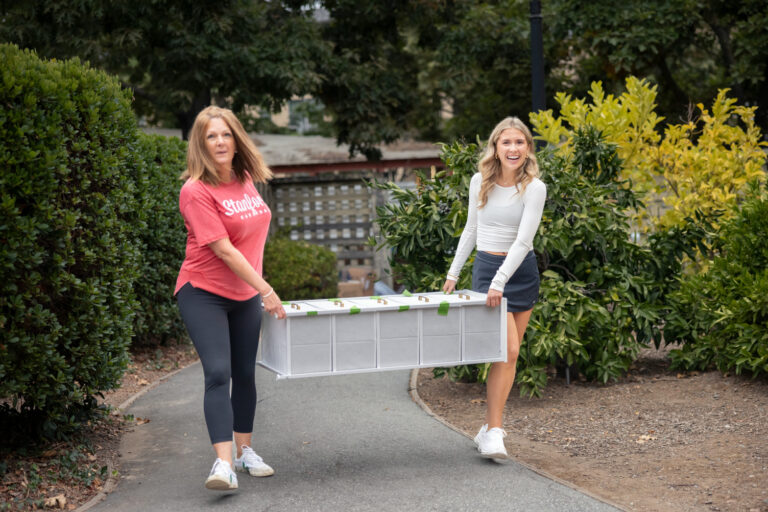
Move In Sustainably
Guide to reduce your environmental impact as you move onto Stanford’s campus.
The campus electric load is forecasted to exceed 80% capacity each day this week. Please reduce electricity from 2 to 6 p.m. this week to protect our overall campus power supply. (sustainable.stanford.edu/power-smart)

Guide to reduce your environmental impact as you move onto Stanford’s campus.
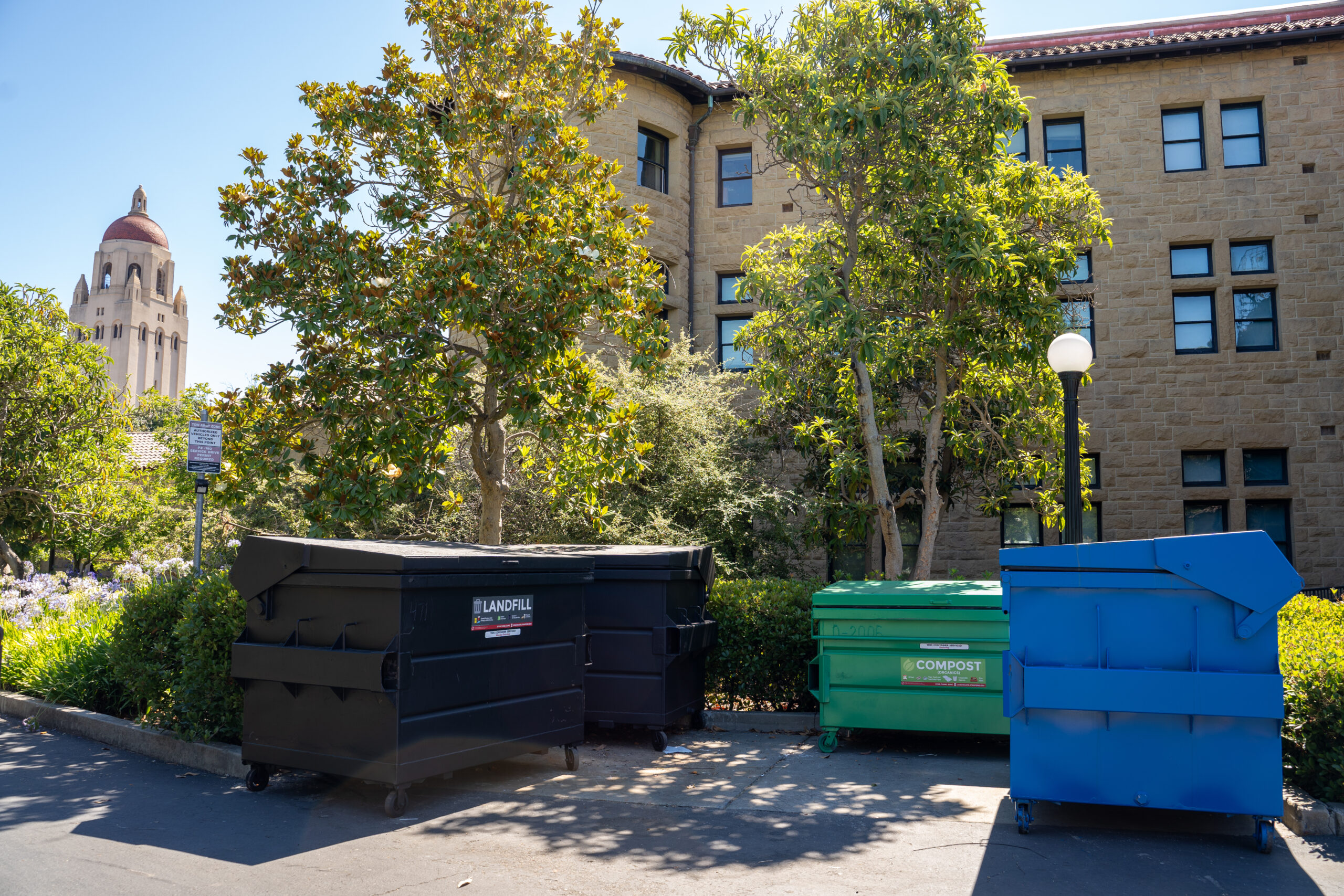
Tools to support facilities and building managers to responsibly fill their role in Stanford’s sustainable community.
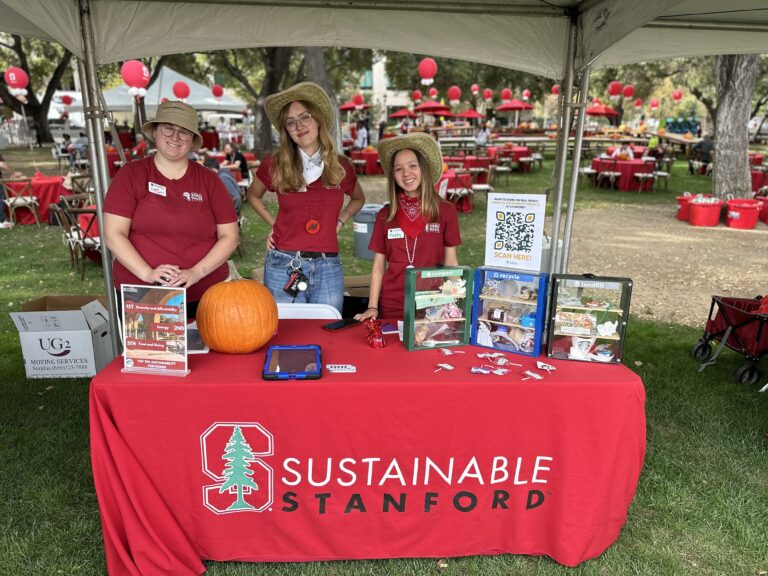
Current and former Stanford students keep the university’s sustainability legacy alive at the All Alumni Day Farm Fest.

Ways to mitigate your emissions created due to Stanford-sponsored business travel.
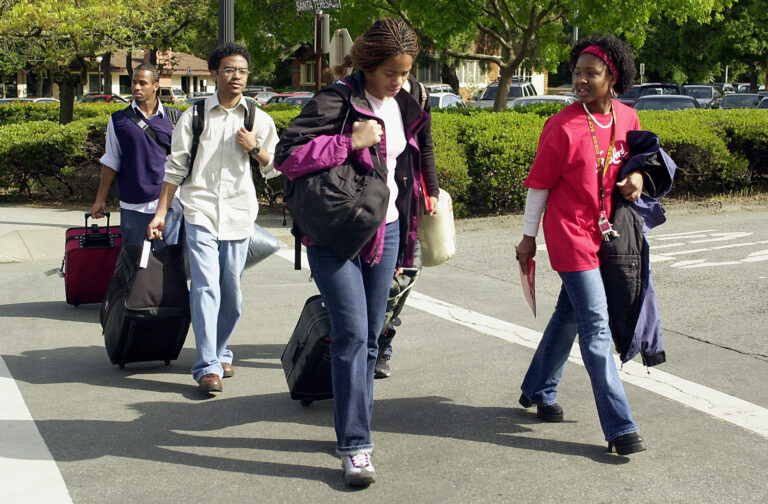
Steps for students to minimize the environmental impact of their travel.
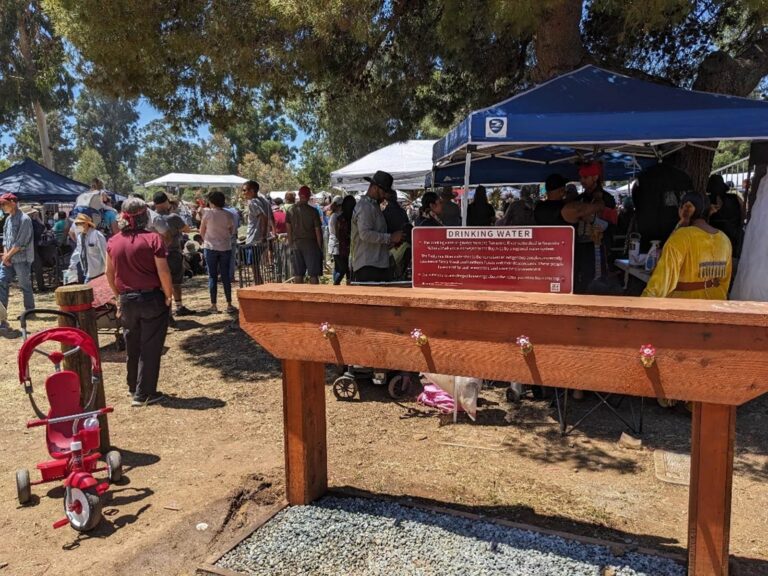
New water fill signs, installed in May 2024, acknowledge ancestral land and aim to foster greater awareness of the water’s origins and cultural significance.
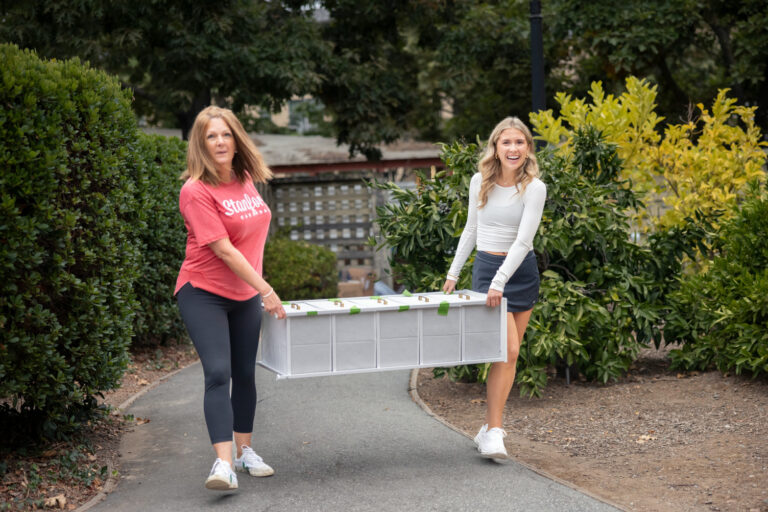
Over 1,700 new first-year students were welcomed with proper waste sorting tips as they moved into their dorms this year.
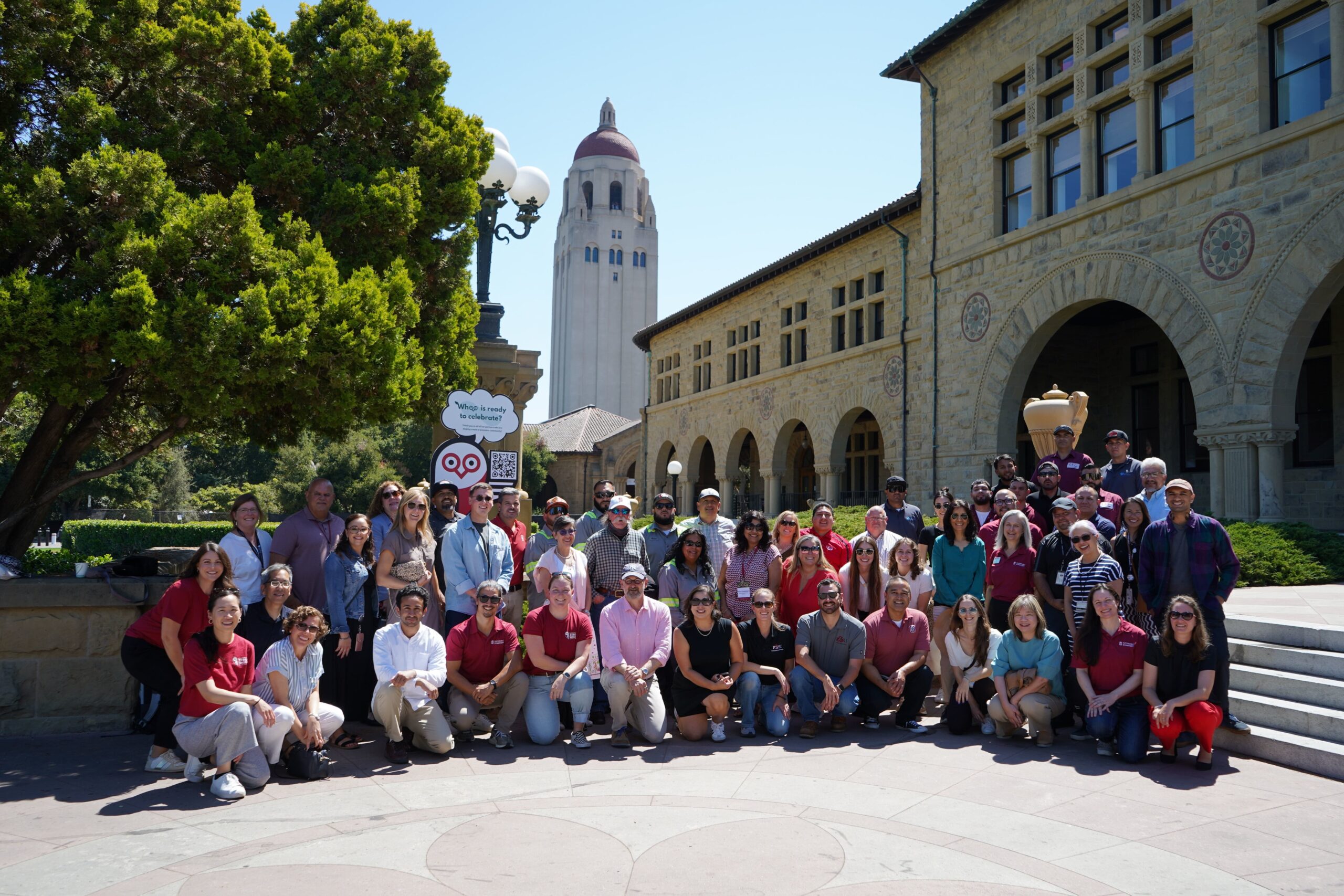
Proper sorting is now easier than ever, with over 9,000 new bins installed, thousands more reused, and over 30,000 new labels and signs added.

The new Reusable Dish Pilot Program is turning donated dishware into a zero-waste success, making reusable options more convenient and helping shift campus culture.
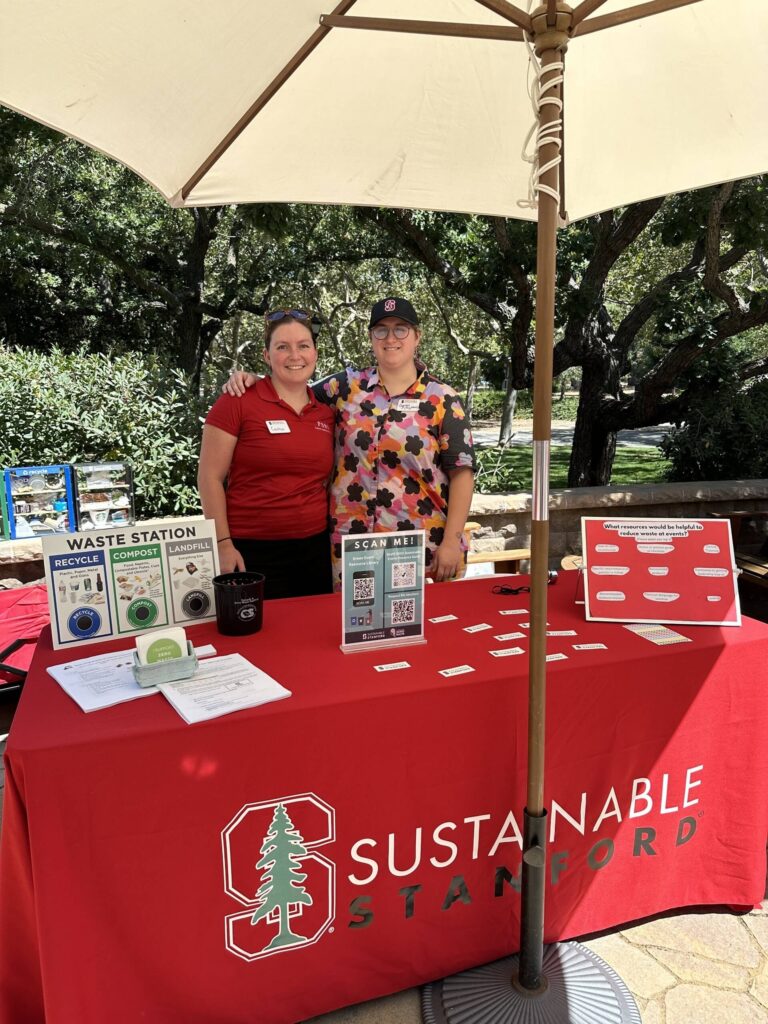
Sustainable Stanford showcased zero-waste event planning tips at the inaugural Event Planners Summit, offering expert advice on waste reduction and sustainable practices.