Protected: Improving Waste Sorting
There is no excerpt because this is a protected post.
The campus electric load is forecasted to exceed 80% capacity each day this week. Please reduce electricity from 2 to 6 p.m. this week to protect our overall campus power supply. (sustainable.stanford.edu/power-smart)

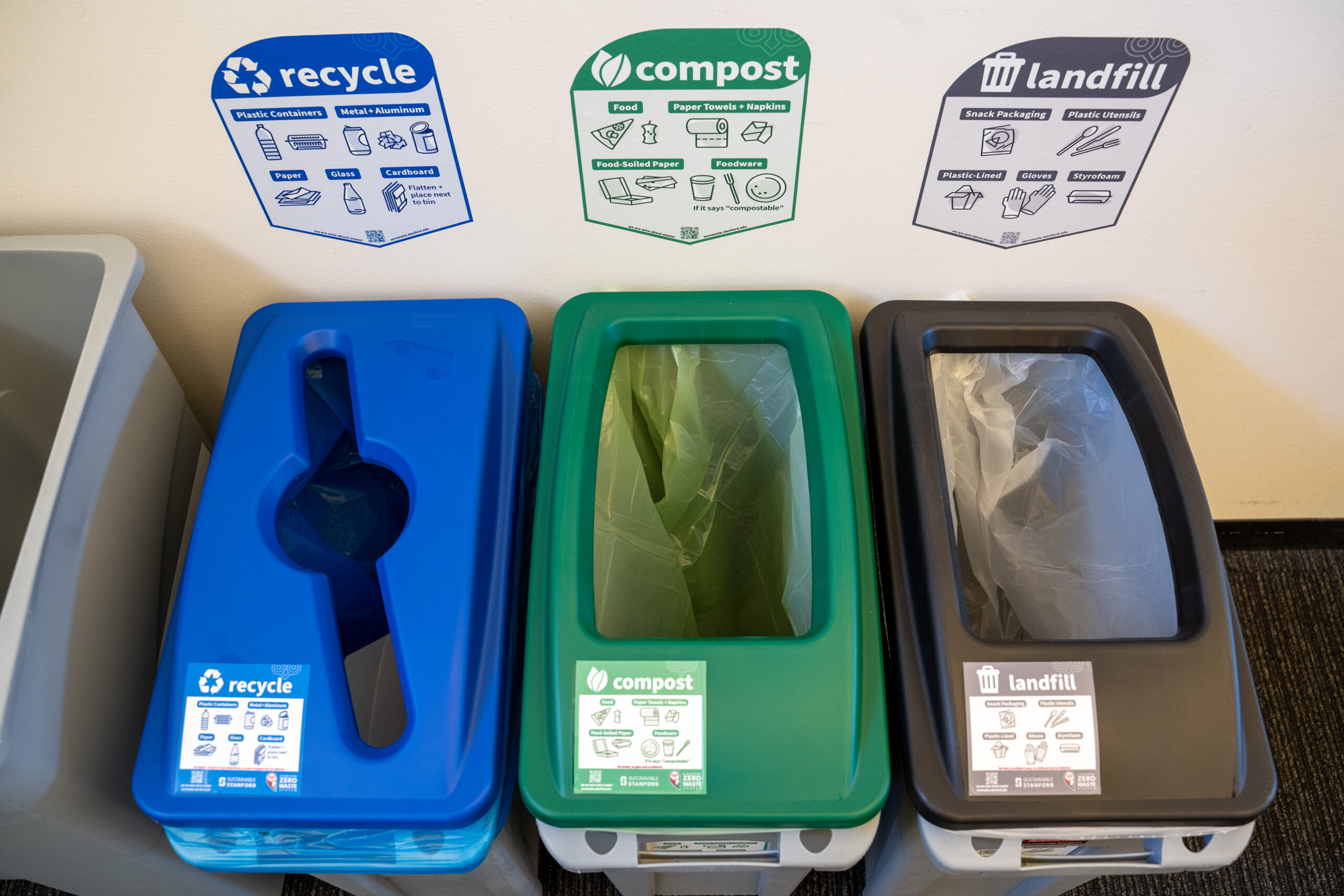
It is now easier than ever to locate waste bins within academic buildings with a newly released online tool. Now, anyone with a SUNet ID can access a map of their academic building’s waste bins through the Facilities Information Management System, or FIMS.
Just type in your building name, scroll down to “Building Attributes List,” and click on the PDF under “Interior Waste Collection Point Maps” for a layout of the building’s recycle, compost, and landfill bins.
“Mapping the waste bins not only lets people know where to sort their waste properly, but helps building managers and custodians ensure waste infrastructure standards are maintained,” says Julie Muir, Associate Director of Zero Waste Systems.
The campus waste standards have also been updated to reflect the recent upgrades to the waste system. These updated standards, part of the university’s Facilities Design Guidelines, are the roadmap for designing buildings for zero waste.
“Just like energy and water move through pipes, waste moves through a building through a series of bins,” says Muir. “These updated guidelines help ensure waste infrastructure is standardized across campus, optimized for waste reduction, reuse, and proper sorting, and compliant with regulatory requirements.”
Don’t see your waste bins mapped? Contact the Office of Sustainability.
There is no excerpt because this is a protected post.
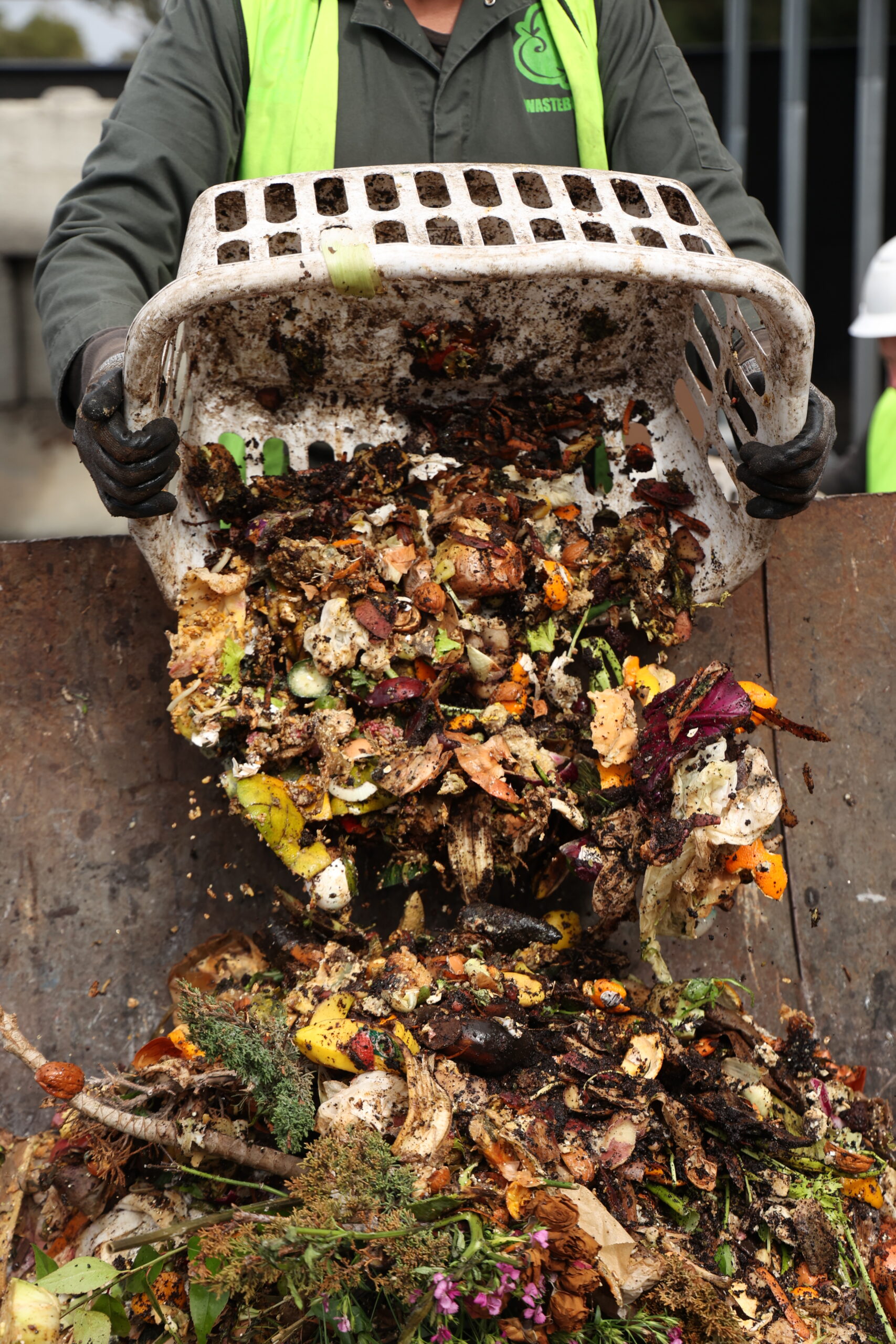
We’re building our zero waste playbook—starting with the stats. By hand-sorting our trash, we’re uncovering strategic cuts to the landfill.

The Stanford Data Science event team, led by Laura Ventura, hosts around 60 events yearly with sustainability as a guiding principle.