Growing Our Garden: Bringing More Water-Efficient, Biodiverse Turf to Campus
Kim Nguyen is in her second year as a Water Efficiency and Data Analysis Intern, is working to bring more water-efficient turf to residential areas on campus.

Kim Nguyen is in her second year as a Water Efficiency and Data Analysis Intern, is working to bring more water-efficient turf to residential areas on campus.
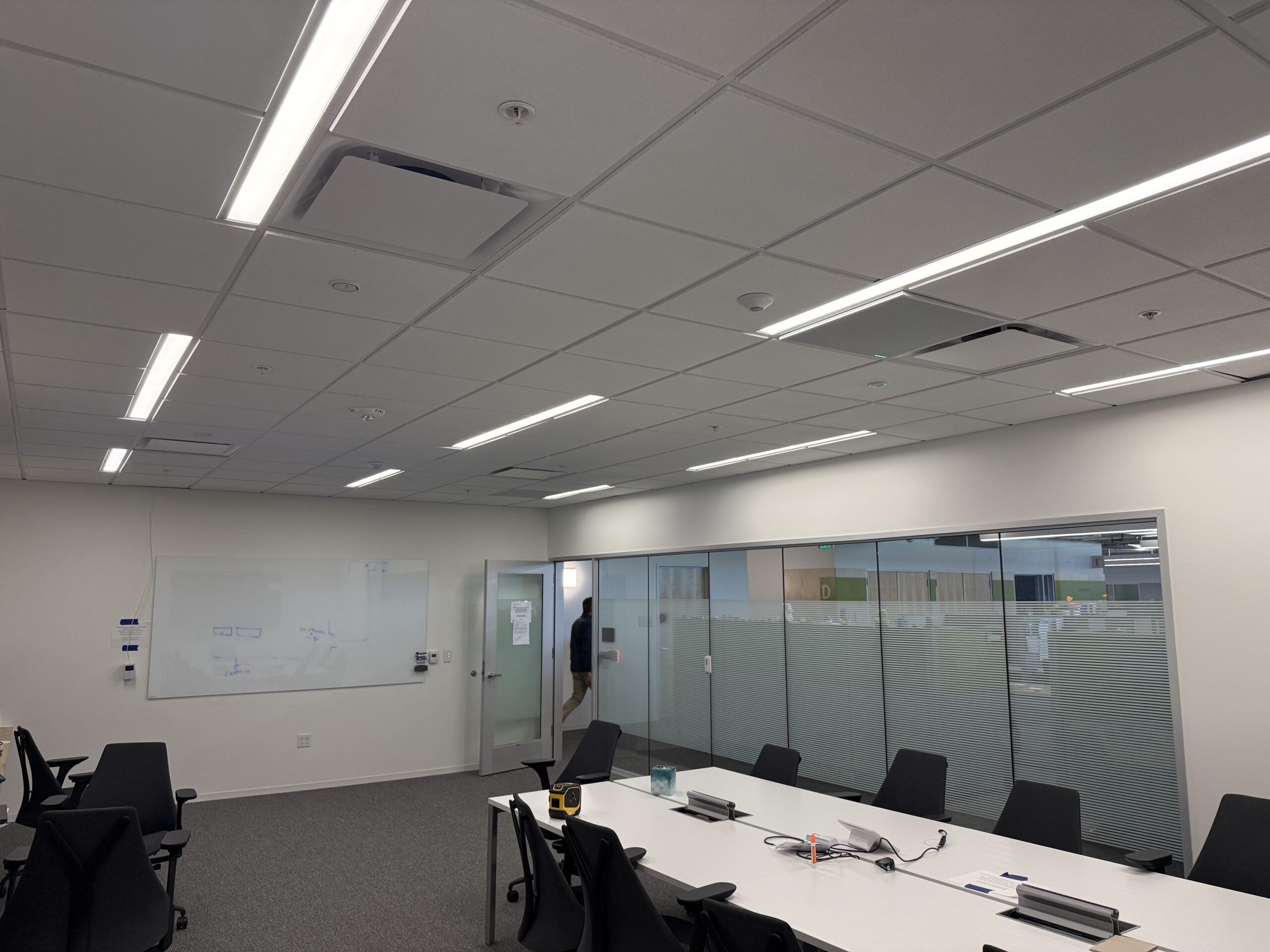
Personalized, air-conditioning technology tested on campus cut cooling demand by roughly 60 percent.

Stanford is testing whether machine learning can close the gap on making lower-carbon design decisions during initial planning stages.
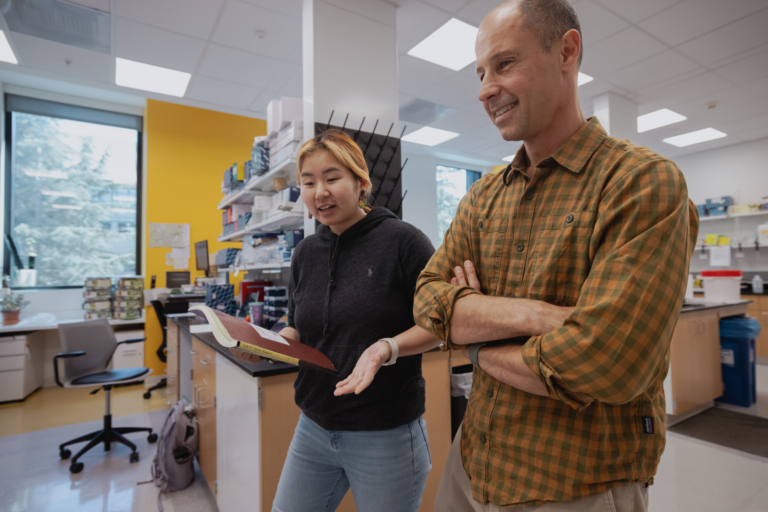
Ponsu Muthuraman ’26 evaluated the use of a machine learning tool to improve construction carbon emission estimation.
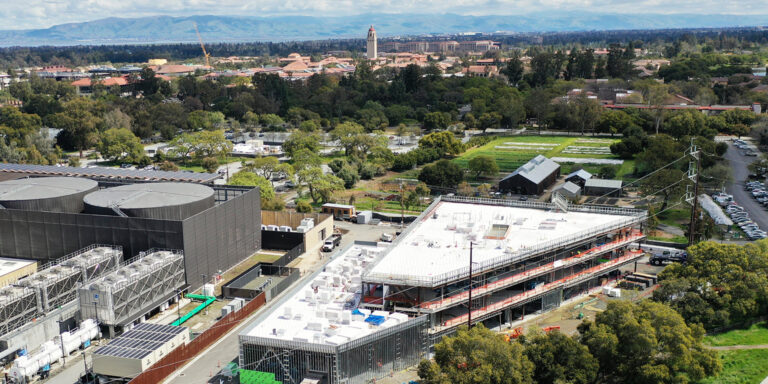
Discover tools and rebates for conservation in the most energy-intensive spaces at a research institution.

Danica Sun ’28 explored smarter resource use for one of Stanford’s major computing clusters.
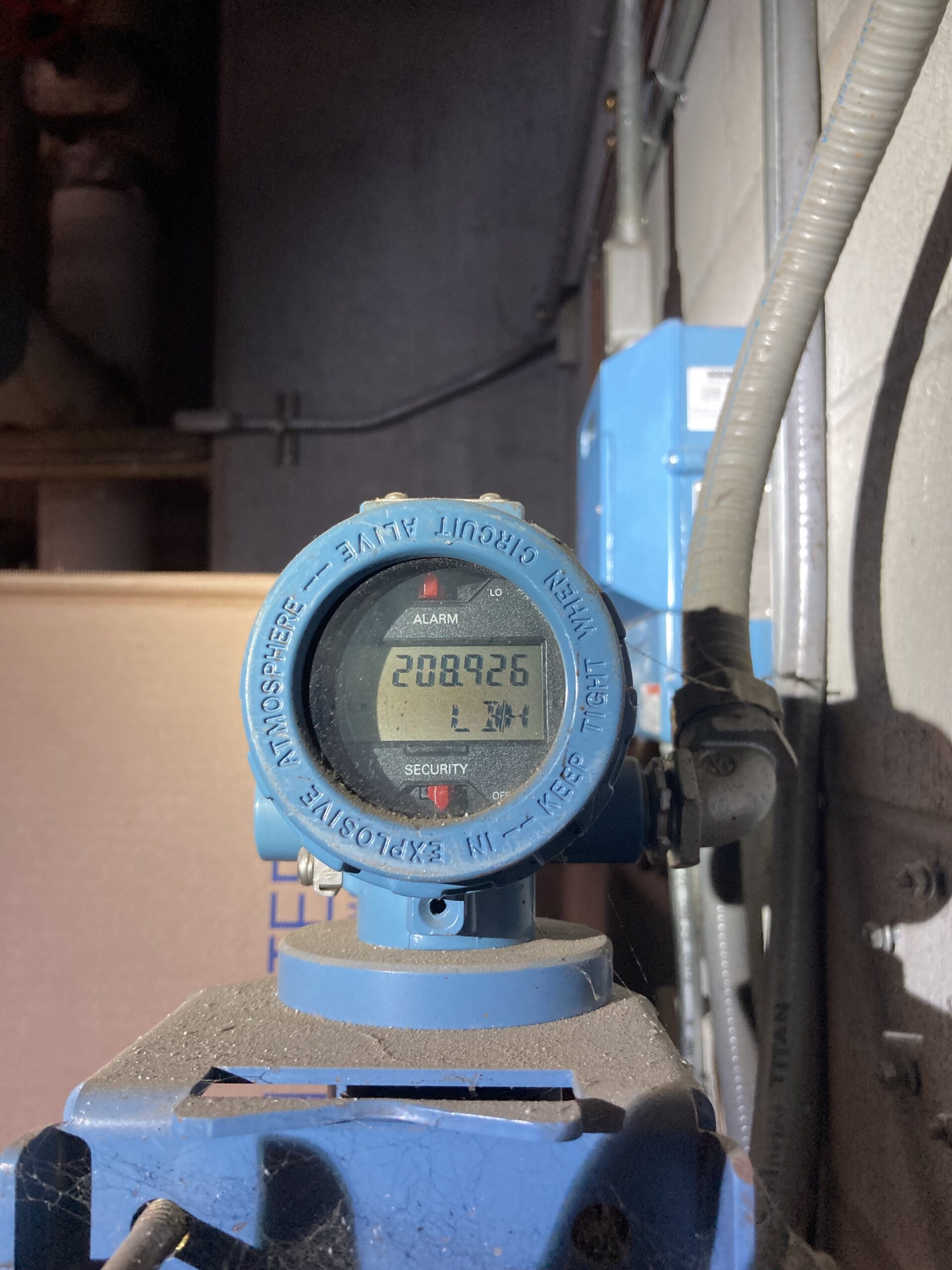
Rachel Porter, PhD candidate, investigated alternatives for reducing reliance on Stanford’s natural gas-fired steam plant.
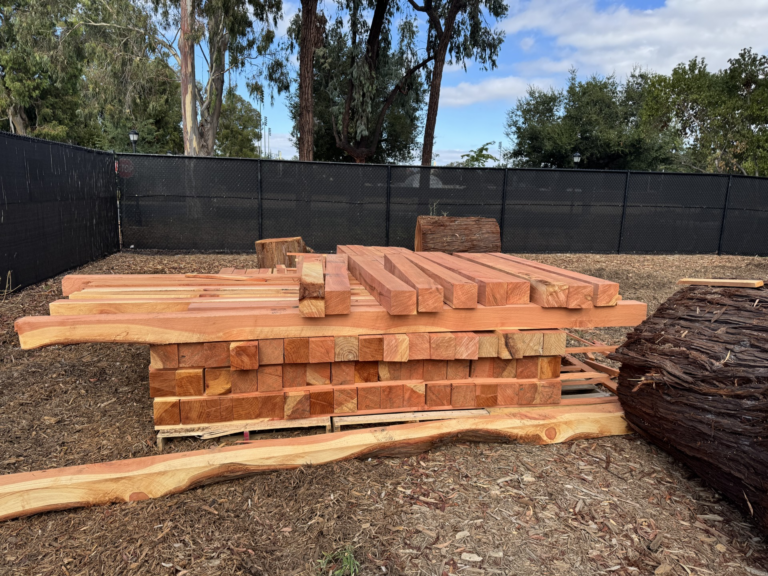
Stanford’s on-site milling program transforms fallen limbs into campus benches and student art–providing the campus community a sustainable alternative to imported lumber.
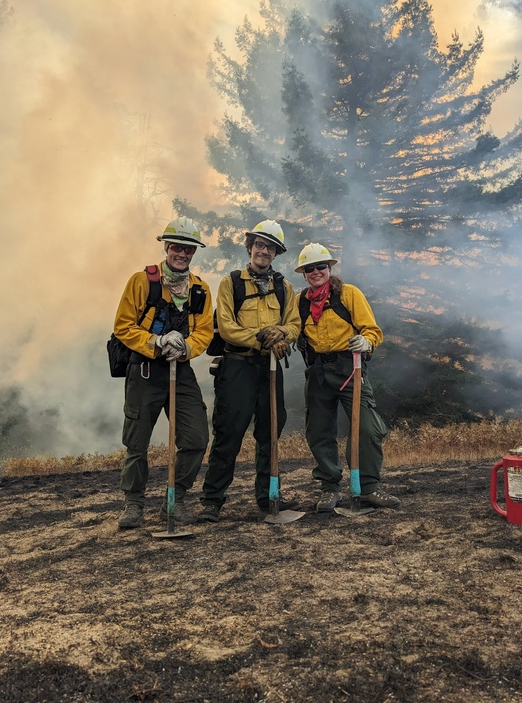
Stanford’s wildfire resilience program is recognized as one of the most impactful wildfire preparedness initiatives in the country.
Support campus conservation initiatives with your next service milestone award. Adopt a salamander, or sponsor a tree, and leave your legacy on Stanford’s lands.