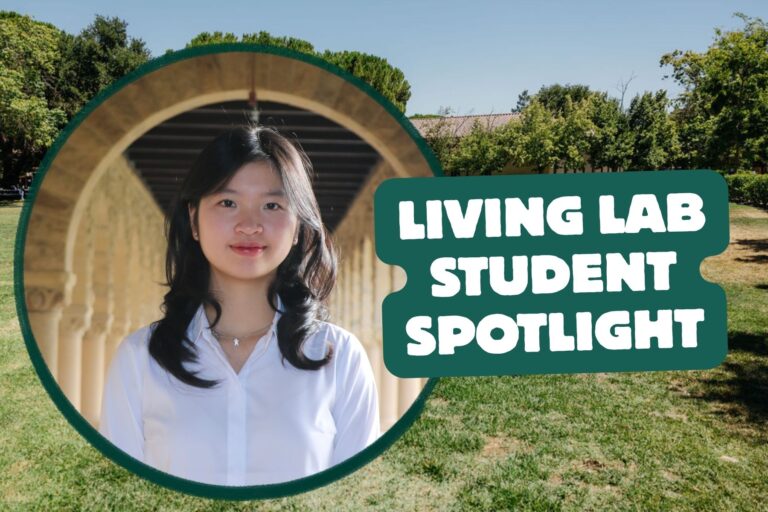
Growing Our Garden: Bringing More Water-Efficient, Biodiverse Turf to Campus
Kim Nguyen is in her second year as a Water Efficiency and Data Analysis Intern, is working to bring more water-efficient turf to residential areas on campus.

Kim Nguyen is in her second year as a Water Efficiency and Data Analysis Intern, is working to bring more water-efficient turf to residential areas on campus.
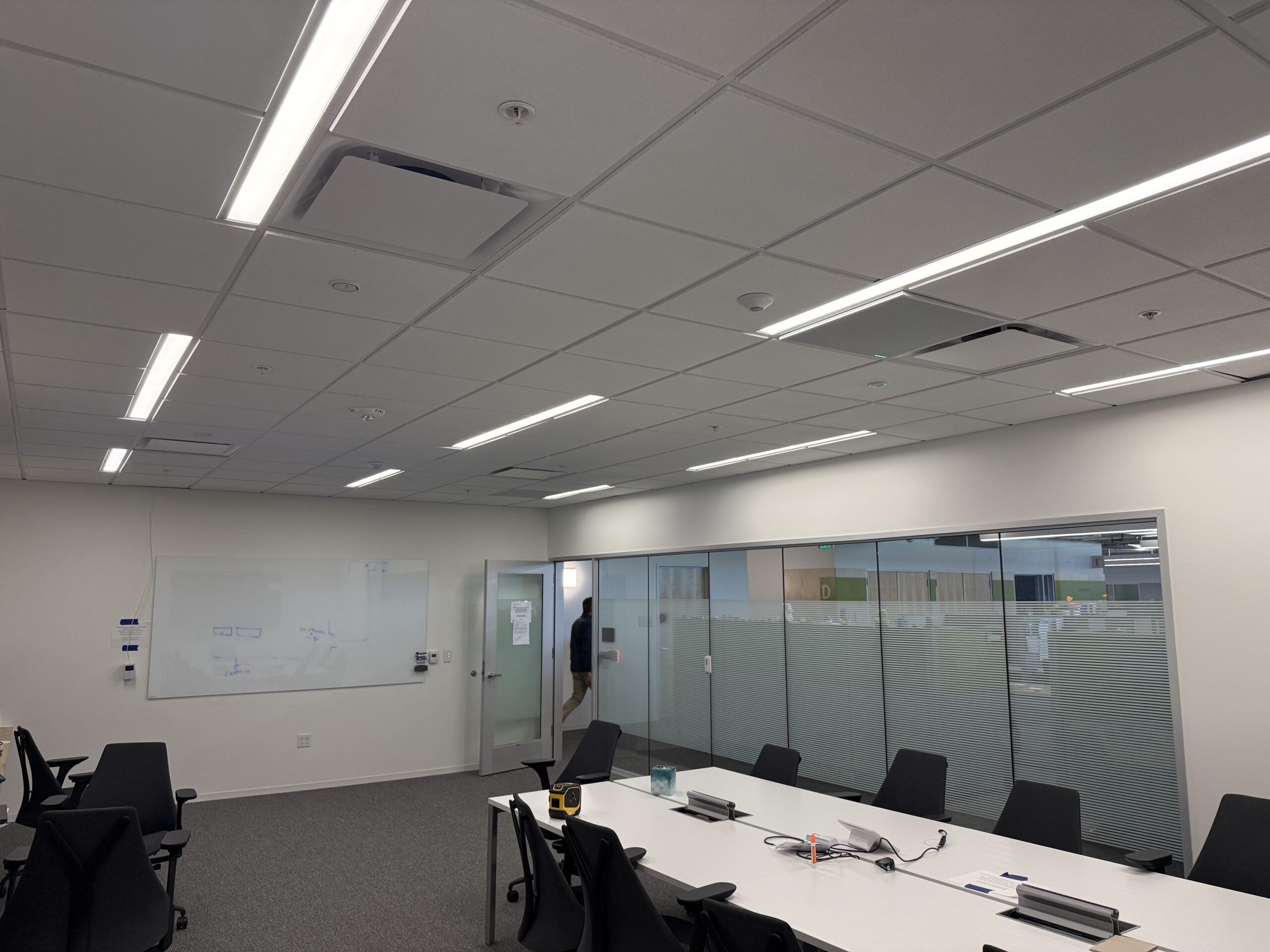
Personalized, air-conditioning technology tested on campus cut cooling demand by roughly 60 percent.
Individuals can reduce their emissions impact by assessing how AI is used in their workflows.
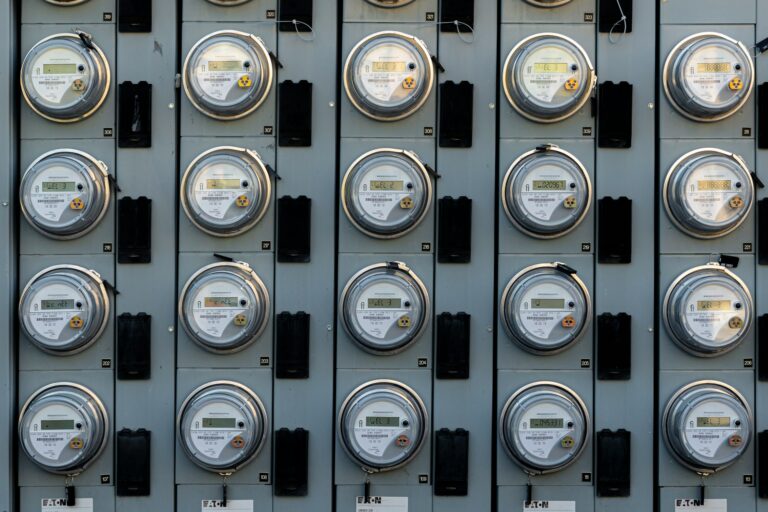
Stanford’s Facilities Energy Management group integrates AI with a foundation of well-maintained data and its own experts.
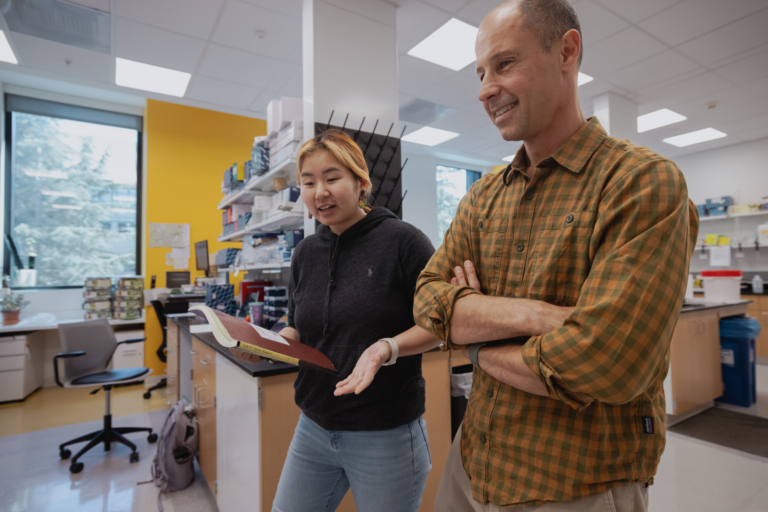
Discover tools and rebates for conservation in the most energy-intensive spaces at a research institution.
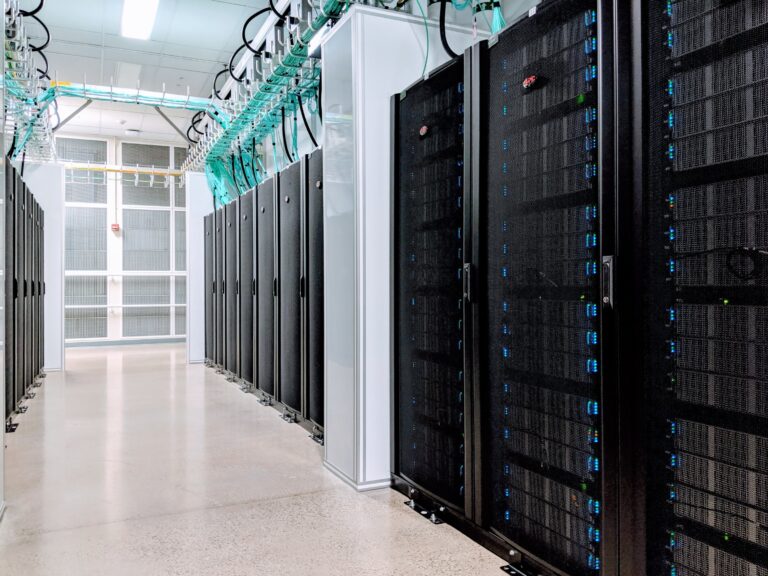
Danica Sun ’28 explored smarter resource use for one of Stanford’s major computing clusters.
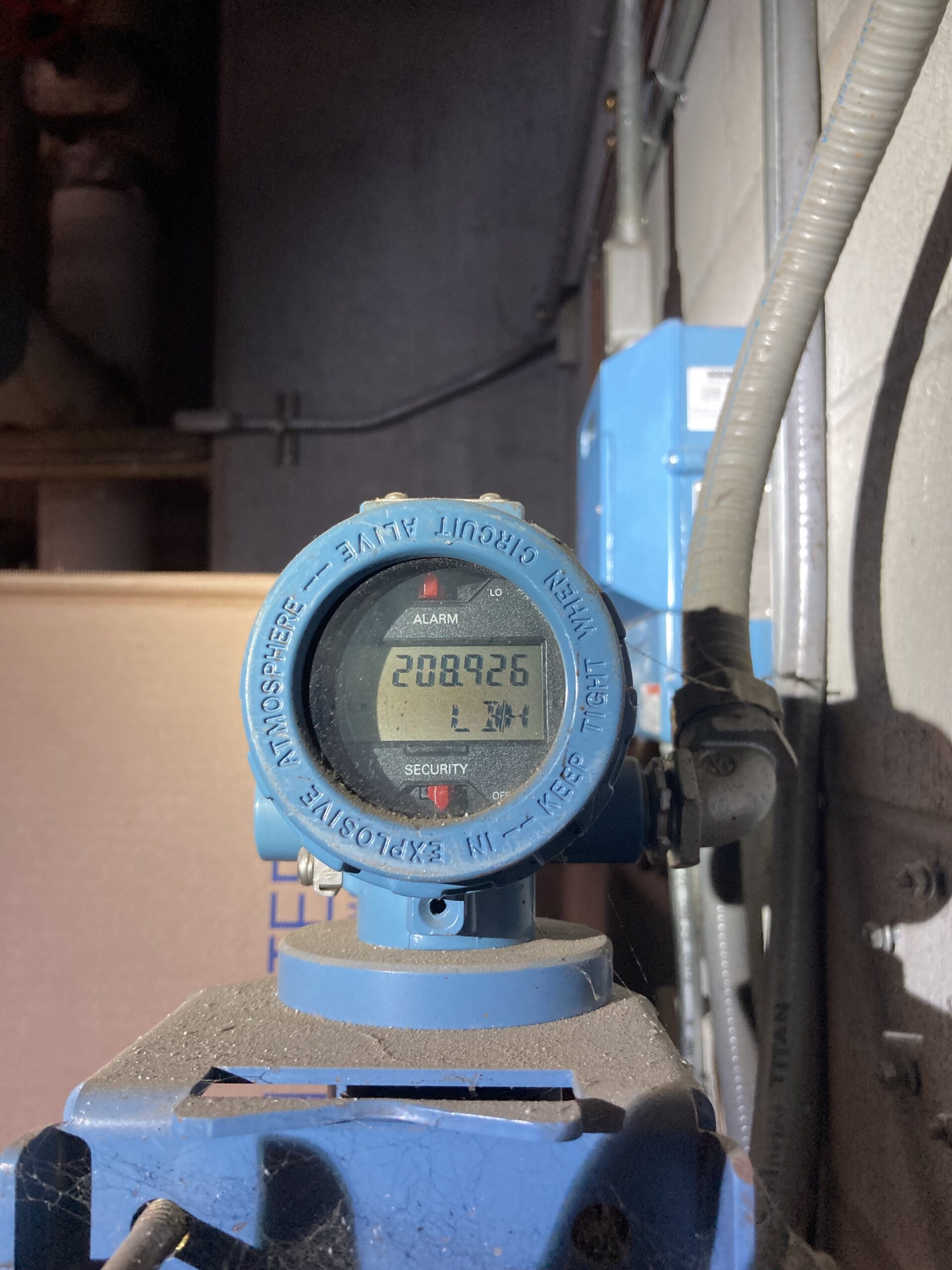
Rachel Porter, PhD candidate, investigated alternatives for reducing reliance on Stanford’s natural gas-fired steam plant.
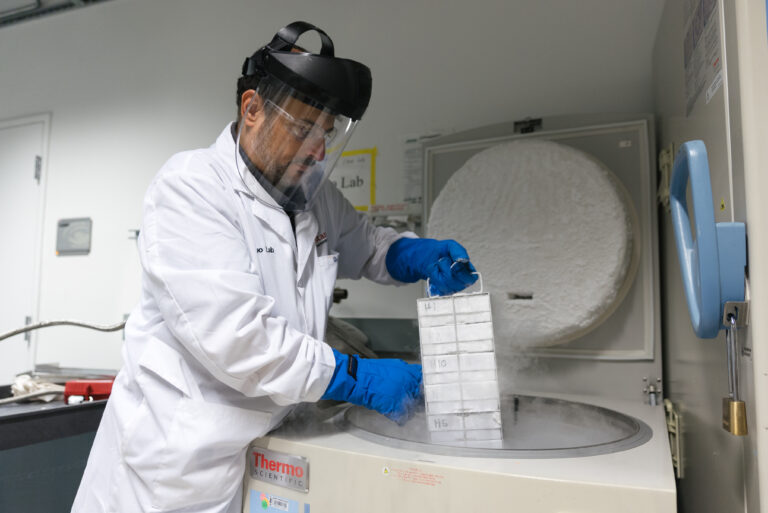
Rebates are available for choosing energy-efficient models for ultra-low temperature freezer or ice machines.
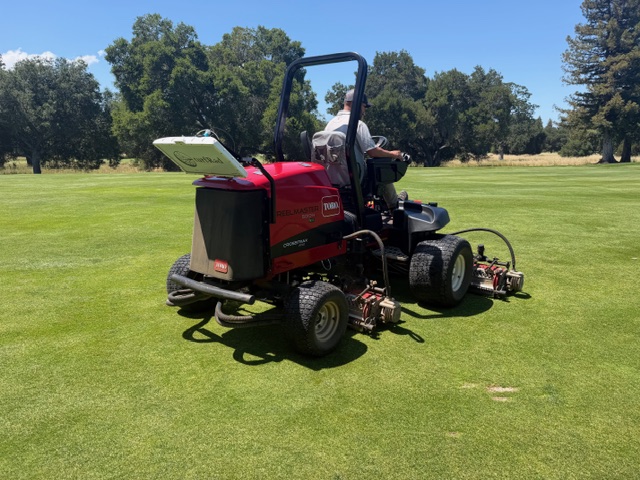
Stanford’s world-class golf course is making water management a priority, teeing up golf to be a sustainable sport.
This session is helpful for employees who manage funds and make purchases for their team or department. This information session will highlight topics such as: