
Growing Our Garden: Bringing More Water-Efficient, Biodiverse Turf to Campus
Kim Nguyen is in her second year as a Water Efficiency and Data Analysis Intern, is working to bring more water-efficient turf to residential areas on campus.

Centralized air conditioning systems have been designed to cool rooms, not people. A fixed temperature is applied to the entire space, whether parts of it are empty or full. Jeslu Jacob, a postdoctoral fellow with Stanford’s Sustainability Accelerator, is changing that with a smart HVAC control strategy that provides cooling only where people are sitting, and early results are promising.
“Imagine a world where buildings can adapt to human comfort.” – Jeslu Jacob, Postdoctoral Fellow, Civil and Environmental Engineering
Jacob’s approach is called Micro-Zonal Occupant-Centric Control. Sensors detect where people are and how warm the room is. Smart controllers then open and close the airflow from ceiling vents to match. The result is small comfort zones, about 3 meters by 3 meters, depending on the dimensions of the room, just for the people who need them. “I wanted to do something which can make [air conditioning] more affordable to people, and the best way I found was reducing the wastage,” shared Jacob. Her idea started in India, where high energy prices make air conditioning a luxury in many homes and businesses. As an architect, Jacob worked on LEED certified designs, and still saw huge energy drains from air conditioning systems, even in buildings that are supposedly energy efficient. That led to a PhD on air distribution, and in June 2025, she joined Stanford to turn the research into a real-world solution.
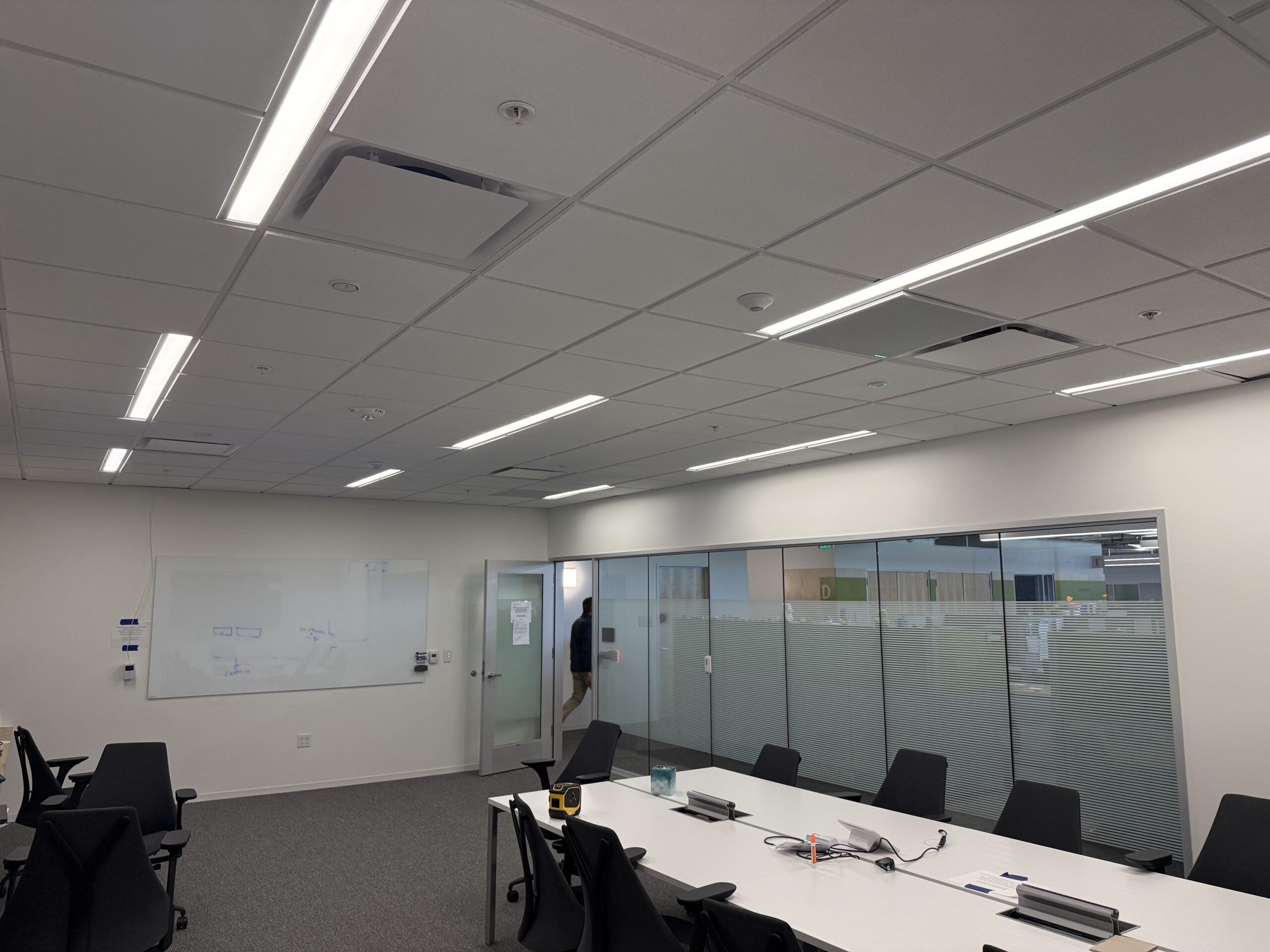
In partnership with Stanford’s Facilities Energy Management and Facilities Automation and Controls teams to provide a testing ground, handle the set up, and coding, Jacob tested the system in a conference room at 560 Fremont, home to the two groups within Land, Buildings & Real Estate (LBRE). On average, the room showed a reduction of about 60 percent in cooling demand. On empty days, savings reached 80-90 percent, while on days when only part of the room was used, savings were still around 20-40 percent. Undergraduate experiment participants reported feeling more comfortable and able to concentrate better due to the customized airflow adjustments. Bumps along the way, including sensor glitches and temperature differences between the conference room and surrounding hallways and offices, pushed the team to continue improving the design.
The team has now installed the system across a full floor at 408 Panama Mall, a project backed by industry sponsors and supported by LBRE. Data collection is under way, and the team hopes to scale up the project floor-by-floor, building-by-building across campus, and then to spaces beyond Stanford. Jacob presented early results at an industry conference in June and her technology attracted interest from local real estate developers and other university campuses. For Stanford, this is a promising step toward significantly cutting energy use in buildings without sacrificing building occupant comfort.
Kim Nguyen is in her second year as a Water Efficiency and Data Analysis Intern, is working to bring more water-efficient turf to residential areas on campus.
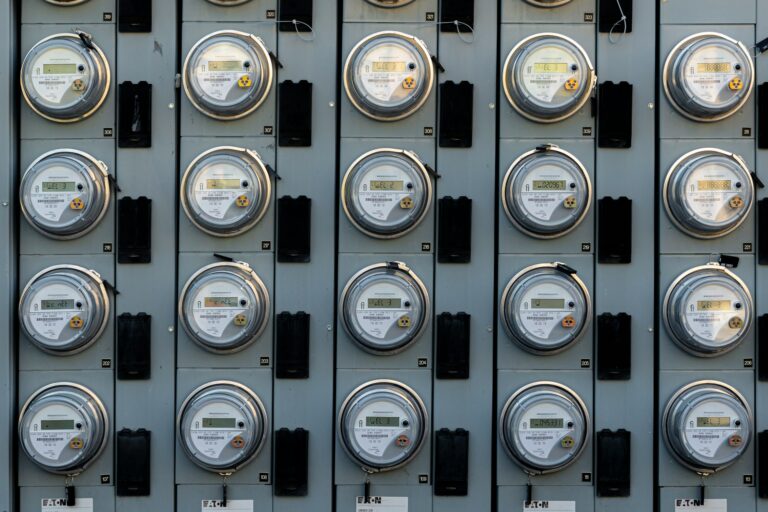
Stanford’s Facilities Energy Management group integrates AI with a foundation of well-maintained data and its own experts.
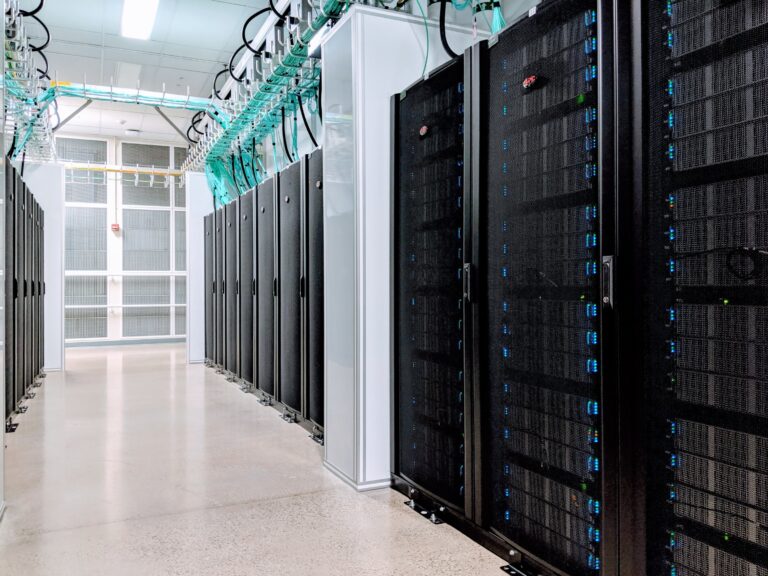
Danica Sun ’28 explored smarter resource use for one of Stanford’s major computing clusters.