
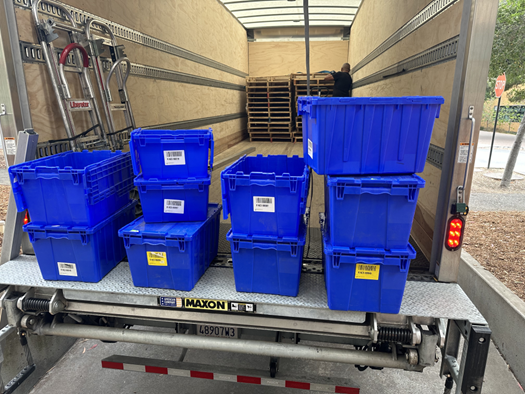
Same Supplies, Better Box: Closing the Loop on Campus Shipping
How one campus building manager is rethinking the supplies behind scientific discovery –helping labs be more circular.

Stanford purchases a wide range of goods and services, but information about those purchases is spread across purchase orders, credit cards, and reimbursements. Bringing that information together—and sorting it accurately—can be a major challenge. Machine learning helps Stanford make sense of this complex data.
Financial Management Services uses it to group purchases into consistent categories based on previously sorted data and rules established by staff. When someone corrects a result, that feedback helps improve future classifications. For example, the system can categorize a purchase of “pipettes” as medical or laboratory supplies, and even classify it as “plastic” based on established rules. This added detail helps sustainability staff identify the potential waste stream of purchased items.
A clearer picture of what Stanford buys helps the university estimate the emissions from purchased goods and services, understand spending with small and local businesses, and identify opportunities for departments to save money and make more responsible purchasing choices.
More detailed categories can also improve emissions estimates. For example, knowing only the total spent with a food vendor limits the precision of an estimate. Categorizing purchases by food type, where possible, allows Stanford to apply emissions factors that distinguish between meat and plant-based products.
How one campus building manager is rethinking the supplies behind scientific discovery –helping labs be more circular.
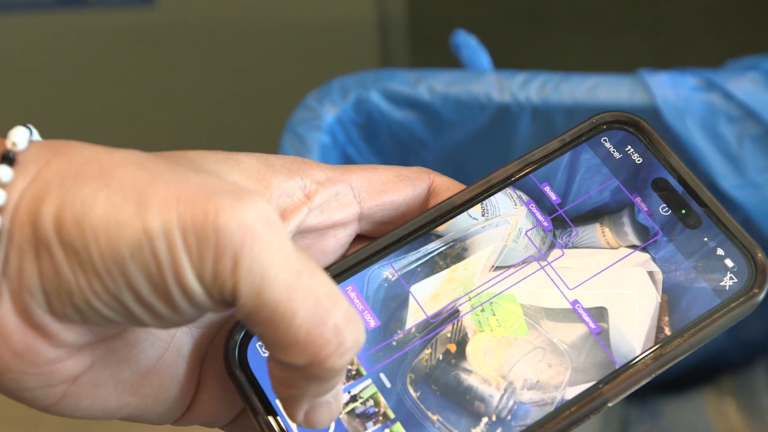
Stanford uses machine learning to translate routine waste-handling photos into information campus teams can act on.

Stanford is testing whether machine learning can close the gap on making lower-carbon design decisions during initial planning stages.