Same Supplies, Better Box: Closing the Loop on Campus Shipping
How one campus building manager is rethinking the supplies behind scientific discovery –helping labs be more circular.

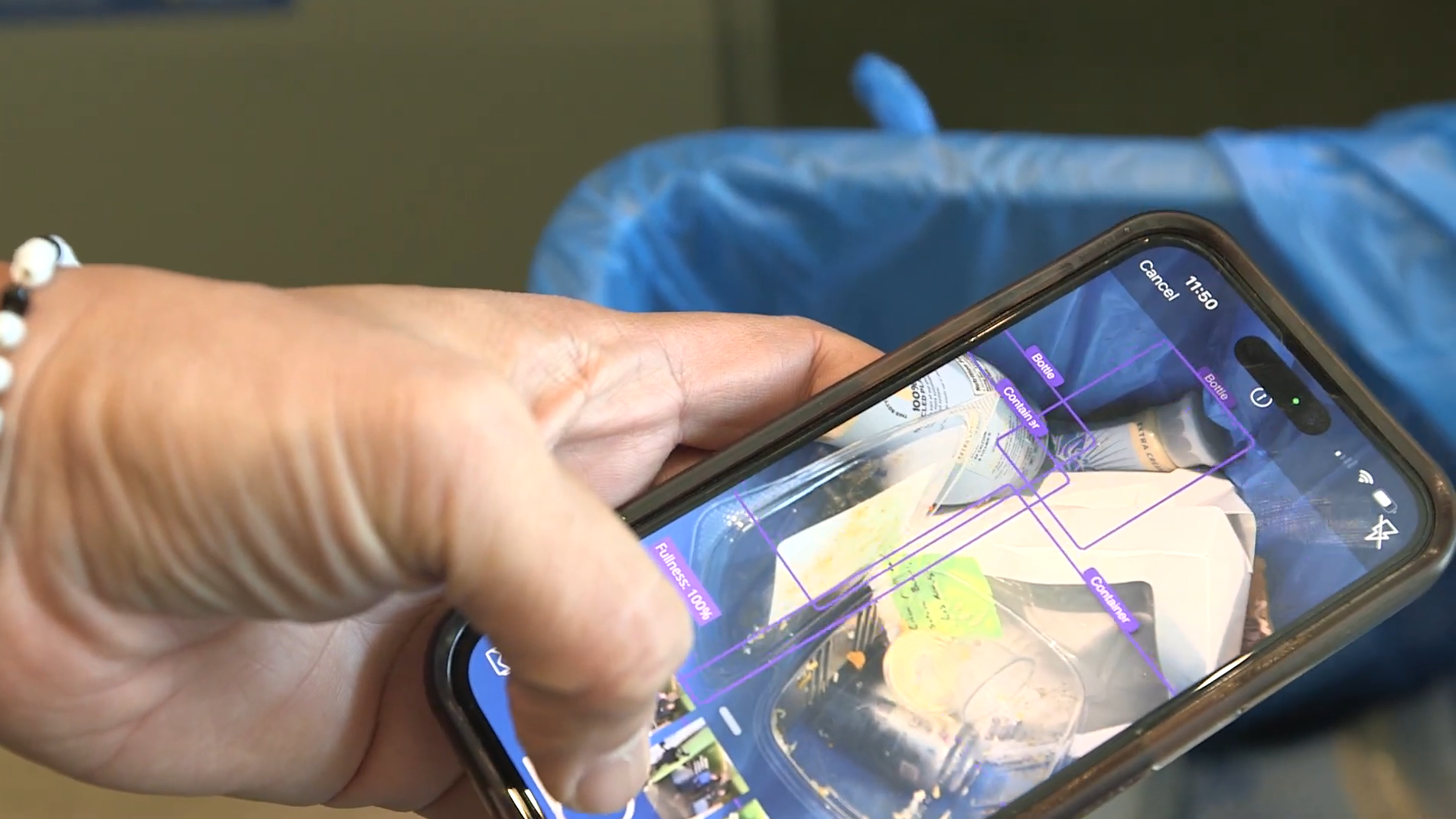
Improving Stanford’s waste system starts with understanding what is being discarded, whether materials are ending up in the wrong bins, and if collection service matches actual need. Gathering that information consistently across a campus of more than 600 buildings is a significant challenge. Stanford uses machine learning to translate routine waste-handling photos into information campus teams can act on.
Each week, Stanford’s waste hauler photographs dumpsters at more than 2,000 weekly collection stops. Computer vision estimates how full each container is and flags visible contamination, while drivers and staff can review and correct the results. Stanford also uses the system during building inspections and special-event waste audits.
This information is already supporting faster, more targeted decisions. When contamination is identified, campus partners can sometimes correct the problem before collection, helping protect recycling and compost streams while avoiding added service costs. Fullness and contamination trends also help Stanford adjust collection levels, prioritize inspections and outreach, improve signs and training, and identify opportunities to reduce commonly discarded materials. Machine learning gives Stanford a clearer picture of how its waste system is performing—and where focused action can make the greatest difference.
How one campus building manager is rethinking the supplies behind scientific discovery –helping labs be more circular.
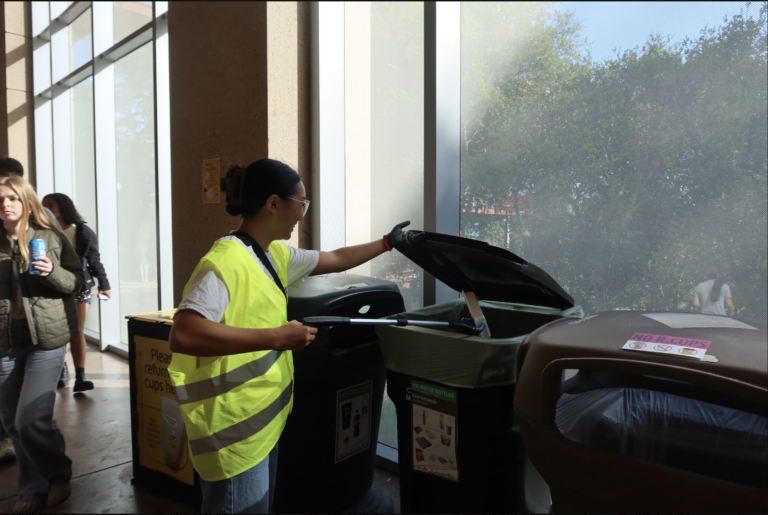
Sorting waste correctly can be a challenge due to varying guidance. Stanford is using AI to make that process simpler.

Info about the wide range of goods and services is spread across a number of sources, and machine learning helps Stanford make sense of this data.