Growing Our Garden: Bringing More Water-Efficient, Biodiverse Turf to Campus
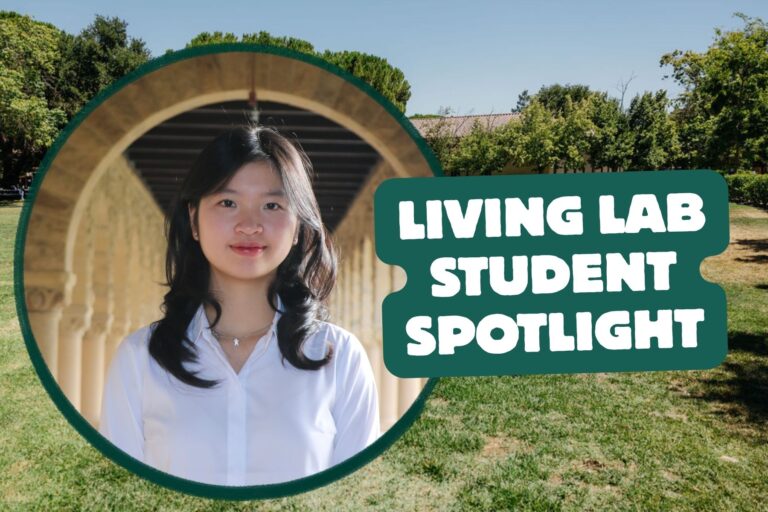
Kim Nguyen is in her second year as a Water Efficiency and Data Analysis Intern, is working to bring more water-efficient turf to residential areas on campus.

Residential & Dining Enterprises (R&DE)'s sustainability commitment is embedded in leadership, daily operations, and collaborations with students and faculty. R&DE leads pioneering food research, co-founding the Menus of Change University Research Collaborative and the R&DE Stanford Food Institute. The flagship “Give & Go” program diverts over 70 tons of reusable materials from landfills annually, supporting the student community and reducing waste.
Kim Nguyen is in her second year as a Water Efficiency and Data Analysis Intern, is working to bring more water-efficient turf to residential areas on campus.
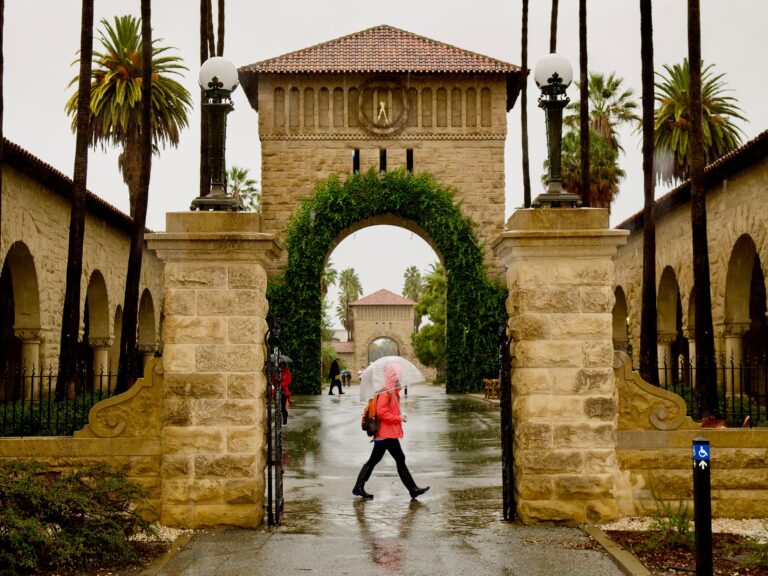
Past infrastructure enhancements for capturing and redirecting rainfall have strengthened campus readiness for winter storms.
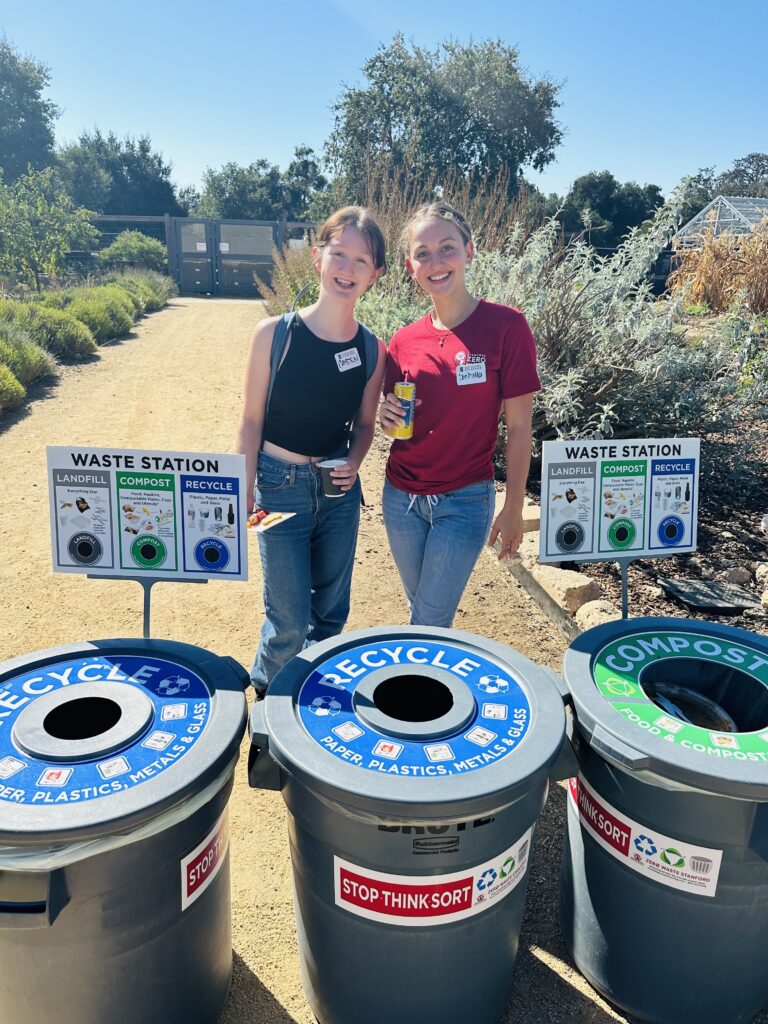
Want to make a real impact on campus while helping reduce waste at some of Stanford’s events? Whether you’re passionate about the environment, looking for …
From stakeholders’ willingness for trade-offs to a green game plan, the student interns and fellows presented on their operational accomplishments from the year.
Do your part to reduce landfill waste and cast your food scraps into the compost.
The university earns STARS Platinum in version 3.0, the highest score under the sustainability rating system.
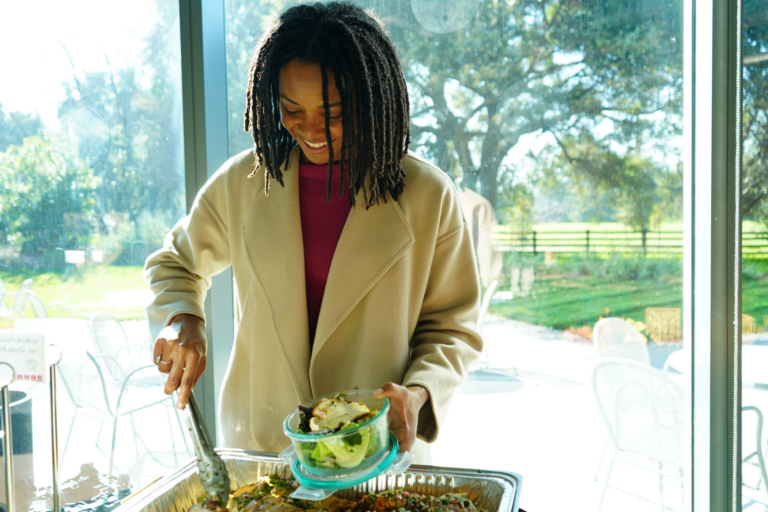
The numbers are in–learn about Stanford’s expanded efforts to reduce food waste.
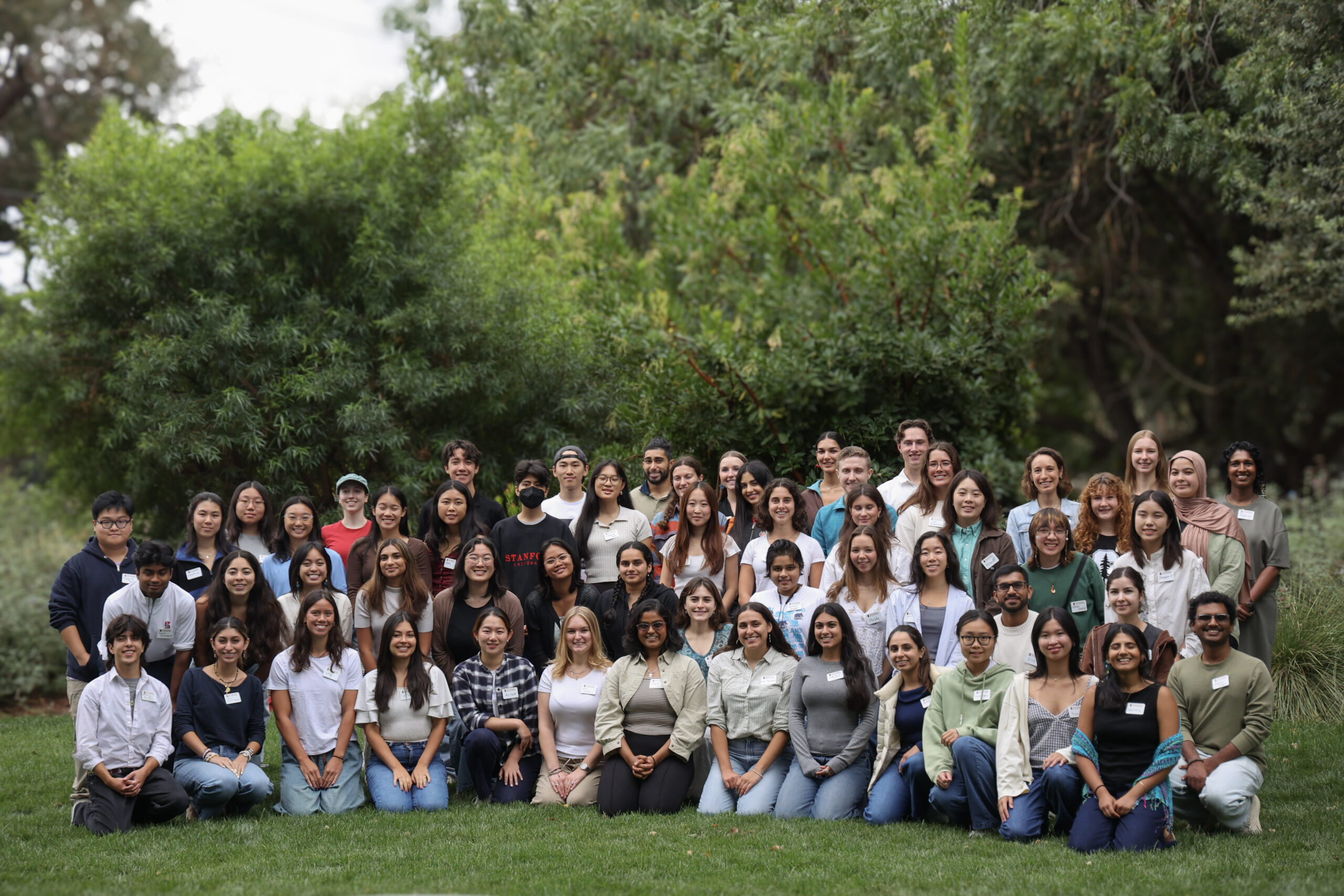
Stanford’s Living Lab program welcomed its biggest class yet–putting sustainability into practice across 18 different campus departments.
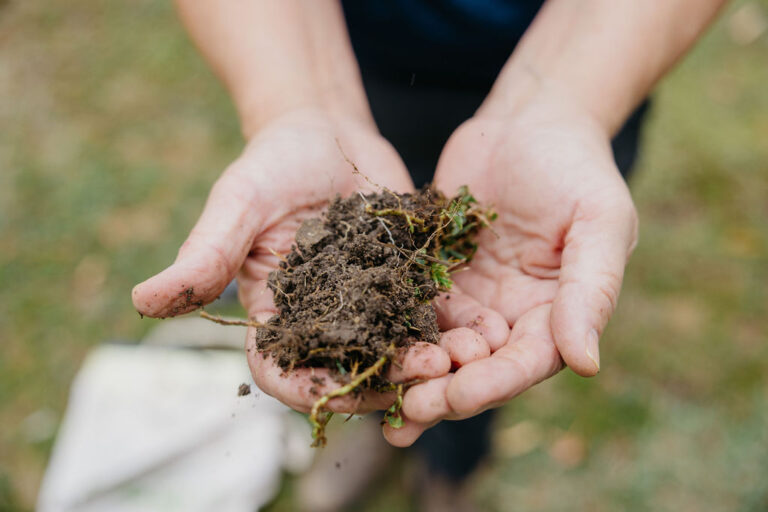
Organic landscape pilot brings together R&DE, LBRE, and DAPER to advance soil health, biodiversity, and resilient landscapes.
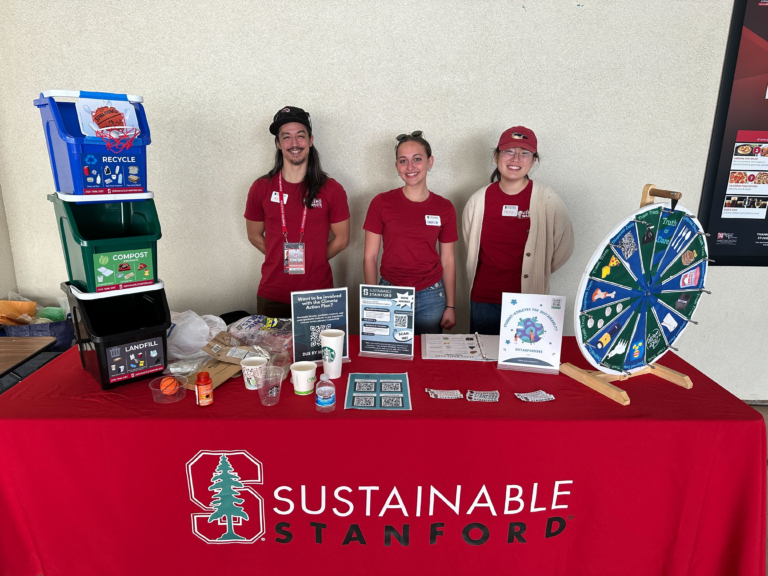
Join the growing number of student leaders advancing sustainability on campus.