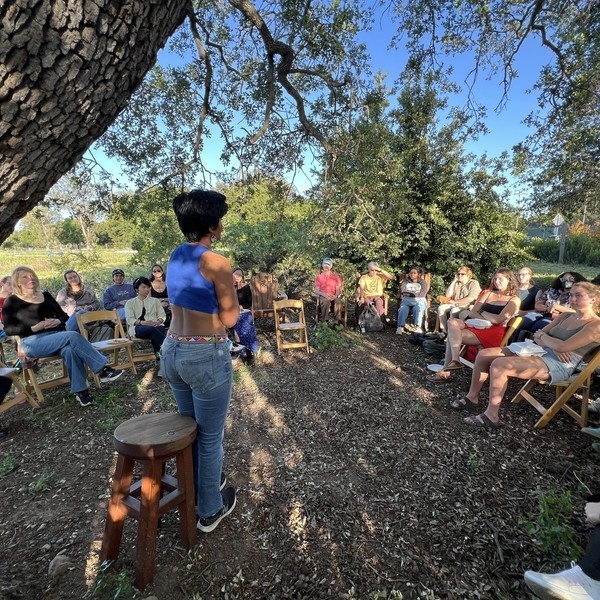
Rooted Words XXII: “Culminations”
Apr 30, 2025 | 5:30pm–8pm
Rooted Words is a group participation reading event, open to all. Bring a short selection (5 minutes or less) of your own writing in any …
The campus electric load is forecasted to exceed 80% capacity each day this week. Please reduce electricity from 2 to 6 p.m. this week to protect our overall campus power supply. (sustainable.stanford.edu/power-smart)

The Stanford Doerr School of Sustainability formally launched in 2022 to catalyze solutions to the increasingly urgent environmental challenges of the 21st century. The school is designed to have impact in three broad areas - earth, climate, and society - by reimagining how academia can benefit the planet and humanity.
Rooted Words is a group participation reading event, open to all. Bring a short selection (5 minutes or less) of your own writing in any …
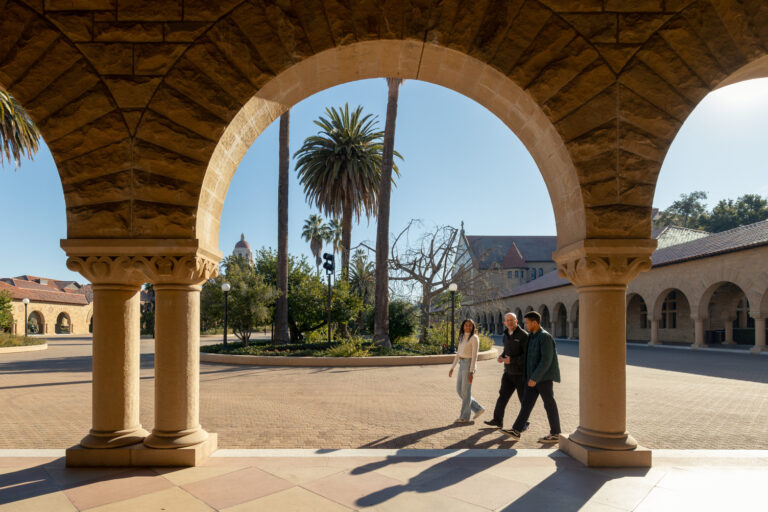
Stanford Climate Week is a dynamic, interdisciplinary gathering that unites students, faculty, alumni, and industry leaders to drive climate action and innovation.
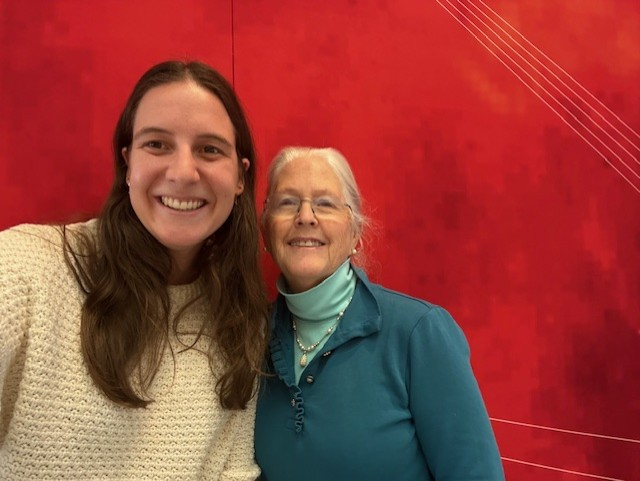
As a former athlete, Hoagland understands the power of sports and aims to increase collegiate involvement in the fight against climate change.
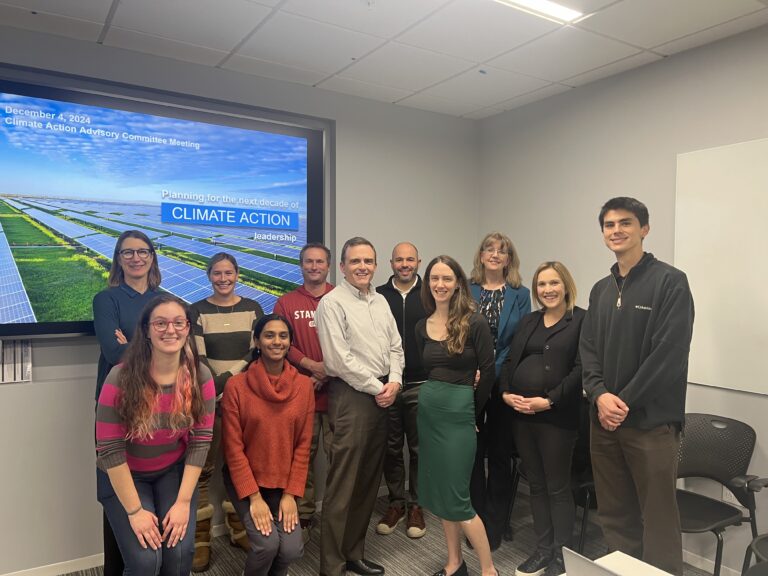
Stanford’s new climate governance framework drives long-term, collaborative leadership for ambitious climate action.
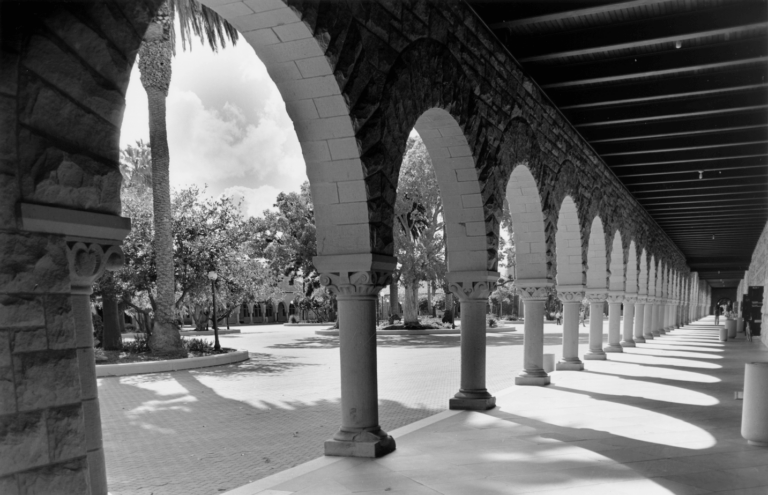
Stanford University has always cared about sustaining life on Earth since its founding in 1891.
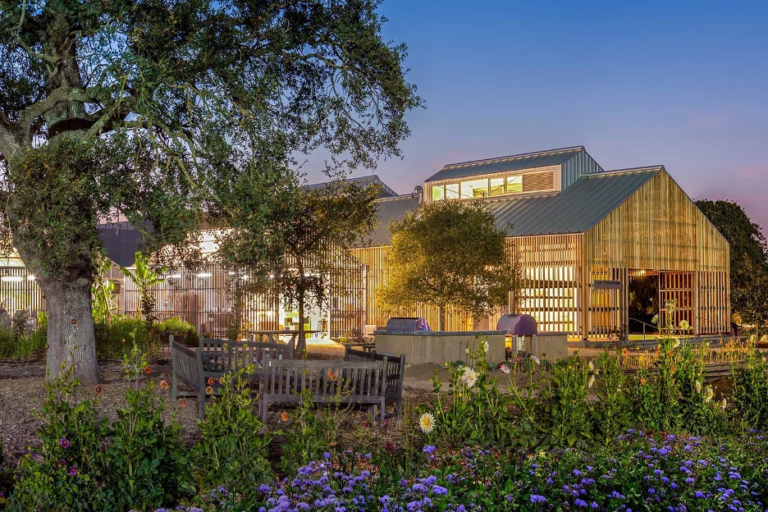
Sergio Lopez used his fellowship to electrify Stanford’s Educational Farm, reducing emissions and leading the transition of small farms from fossil fuel dependency.
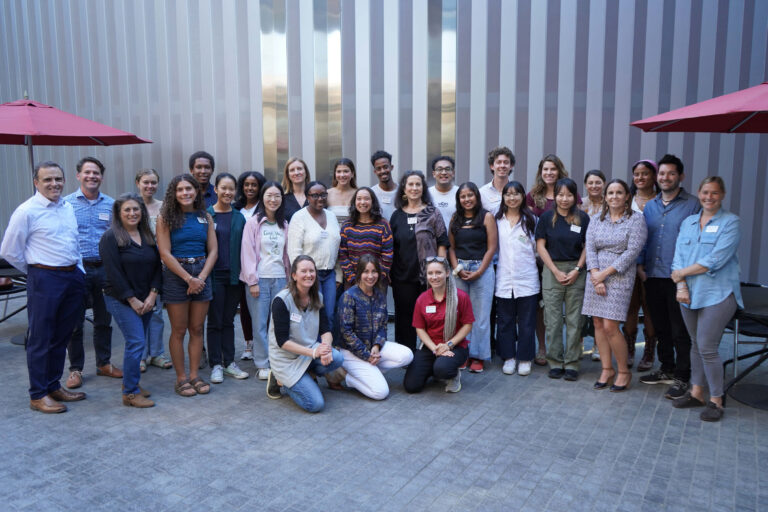
Sixty-one Stanford students are driving real change in sustainability through the Living Lab Program, tackling real issues while gaining hands-on experience.
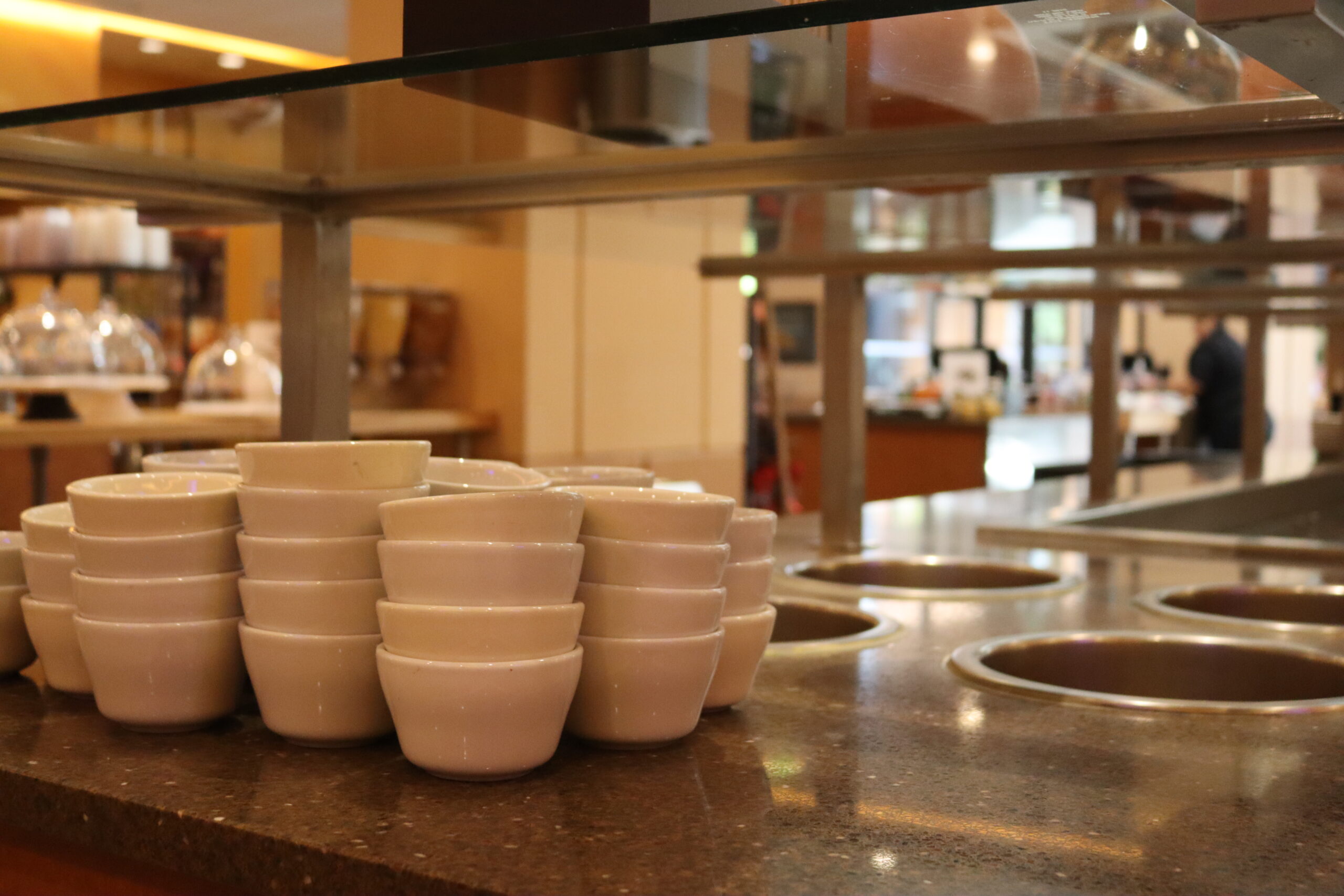
The new Reusable Dish Pilot Program is turning donated dishware into a zero-waste success, making reusable options more convenient and helping shift campus culture.
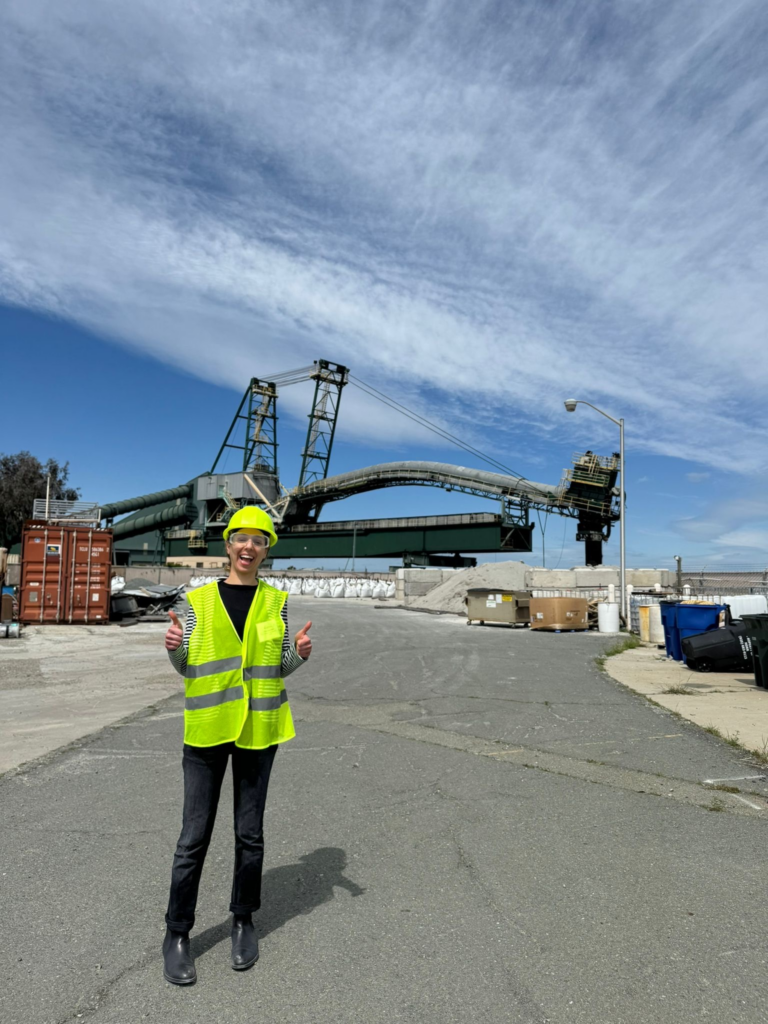
In its inaugural year, the Living Lab Fellowship Program fostered cross-campus collaboration, hands-on learning, and lasting impact through 16 student-led operational sustainability projects.
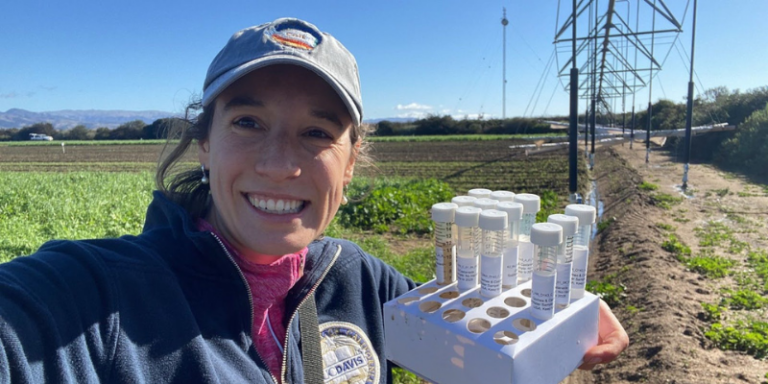
Anna Gomes, a PhD candidate in earth system science, leads by example to embed sustainability into daily life at Stanford.