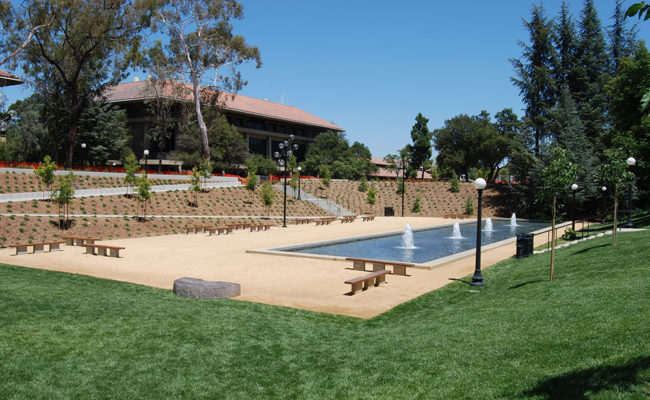
The Sustainable Lifecycle of the Terman Engineering Center
The construction, operation, and demolition of the Terman Building inform sustainable building projects across Stanford’s campus.
The campus electric load is forecasted to exceed 80% capacity each day this week. Please reduce electricity from 2 to 6 p.m. this week to protect our overall campus power supply. (sustainable.stanford.edu/power-smart)

The construction, operation, and demolition of the Terman Building inform sustainable building projects across Stanford’s campus.
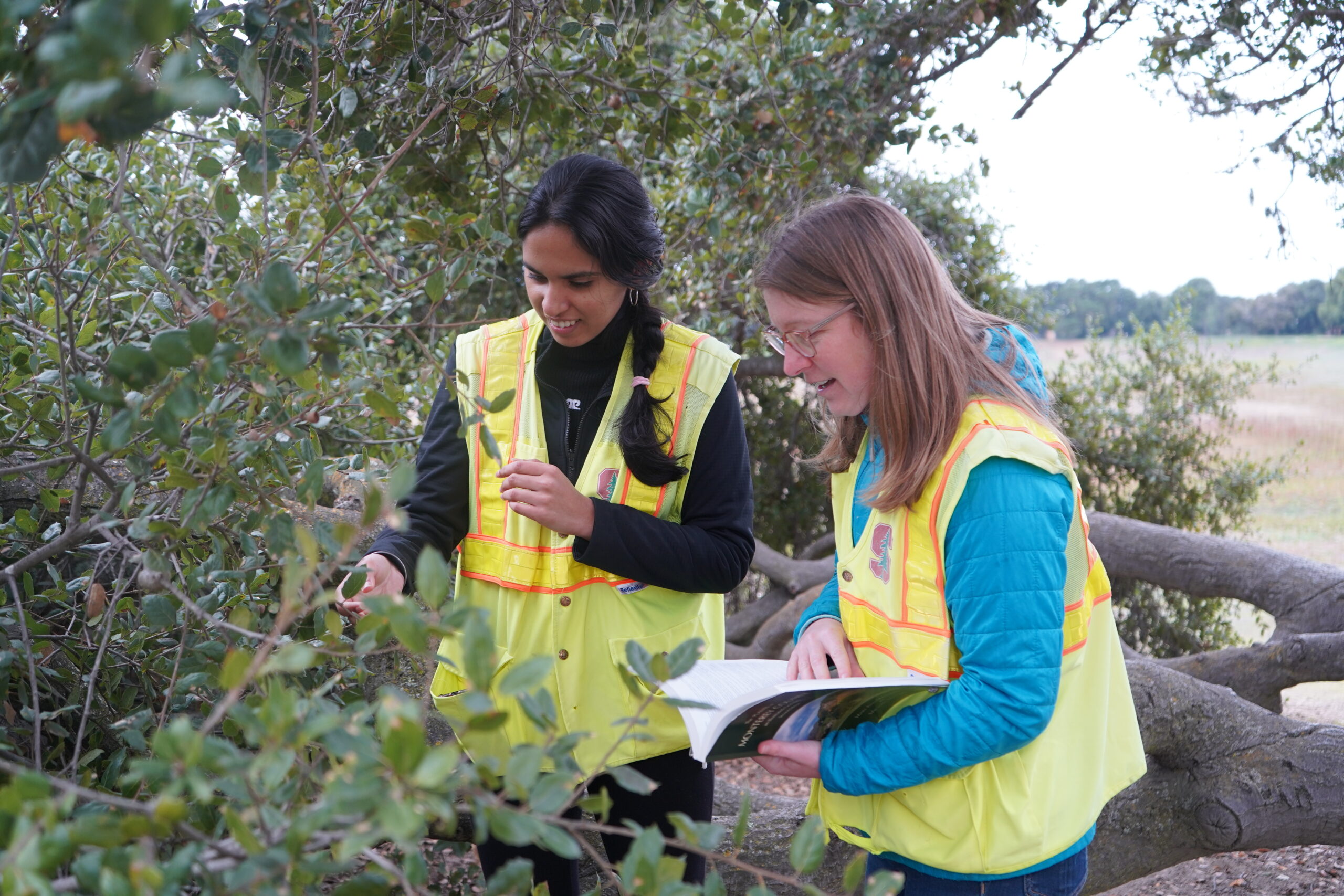
A new project aims to uncover the hidden potential of carbon stores within Stanford’s vast undeveloped lands.
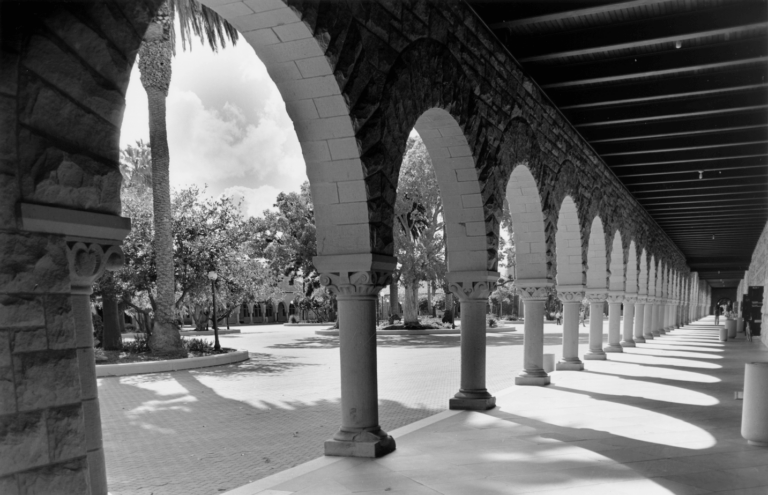
Stanford University has always cared about sustaining life on Earth since its founding in 1891.
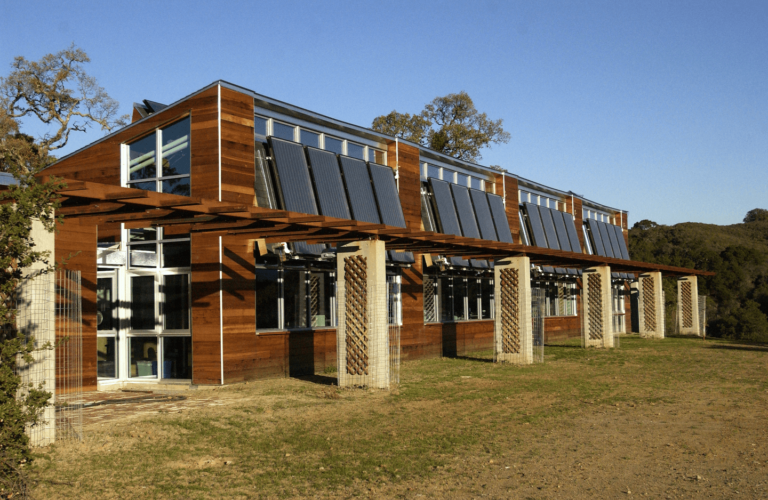
Stanford designs, constructs, and operates beautiful, high-performing sustainable buildings. Explore our sustainable building portfolio.
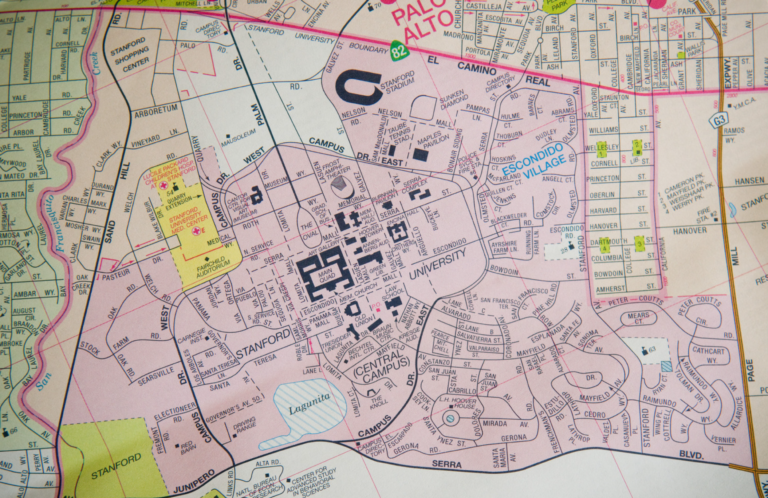
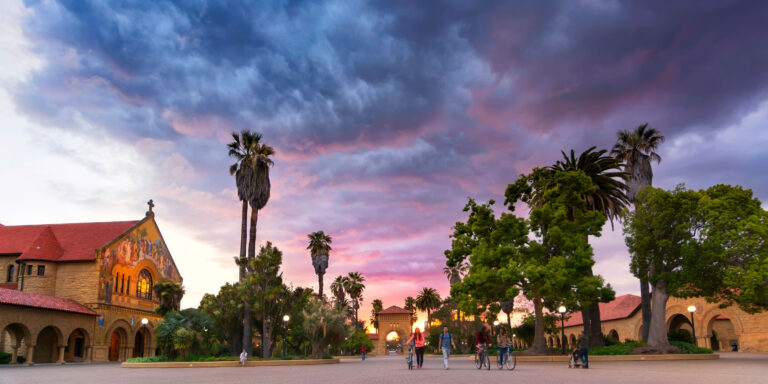
Stanford’s commitment to sustainable design is evident in every corner of its campus.
Justin West ’25 piloted an occupancy-based HVAC scheduling system in the Gates building, aiming to reduce energy consumption by 20% through adjustments based on real-time data.

Stanford’s R&DE team discovered widespread toilet valve leaks in EVGR, with 65% of toilets potentially affected and wasting thousands of gallons daily.
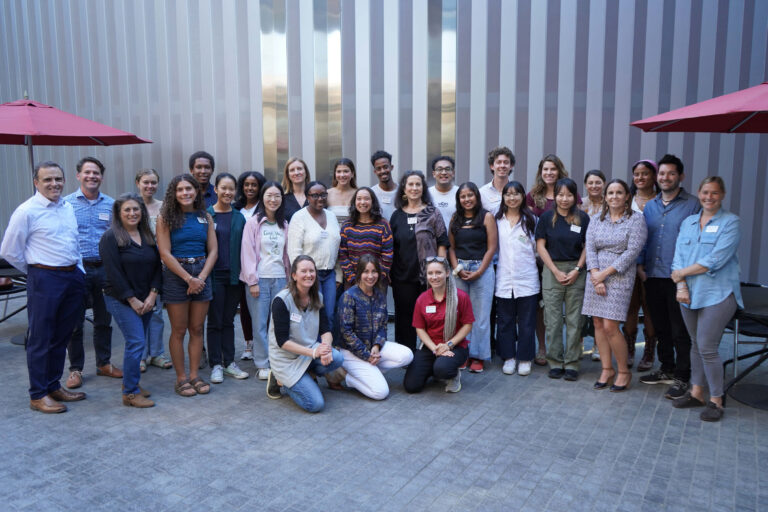
Sixty-one Stanford students are driving real change in sustainability through the Living Lab Program, tackling real issues while gaining hands-on experience.
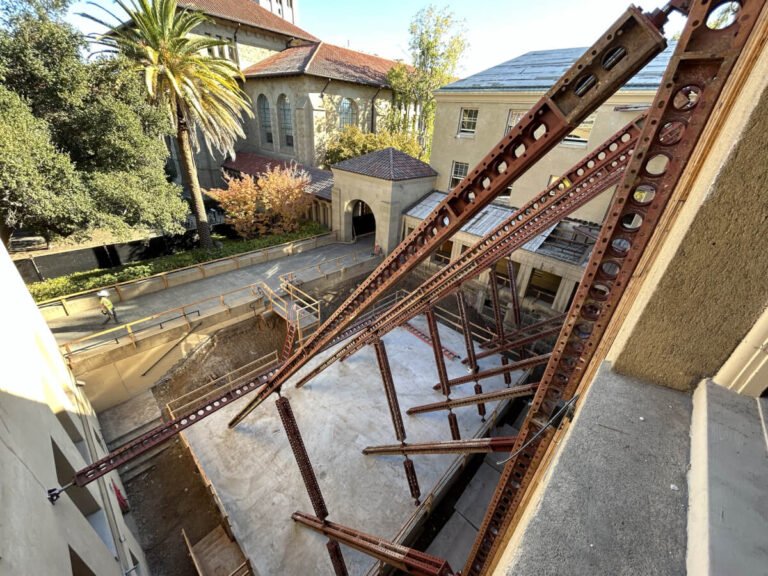
Stanford’s ambitious renovation of the Graduate School of Education blends sustainability with historical preservation, incorporating reduced waste and energy efficiency.
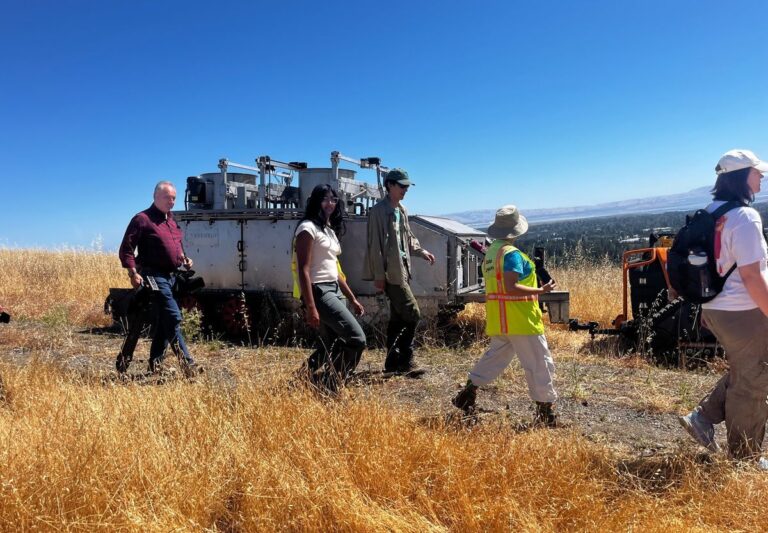
Californians are no strangers to wildfires. As the scientific community searches for answers to prevent fire before it happens, Stanford is testing a “BurnBot” that can create fuel breaks.