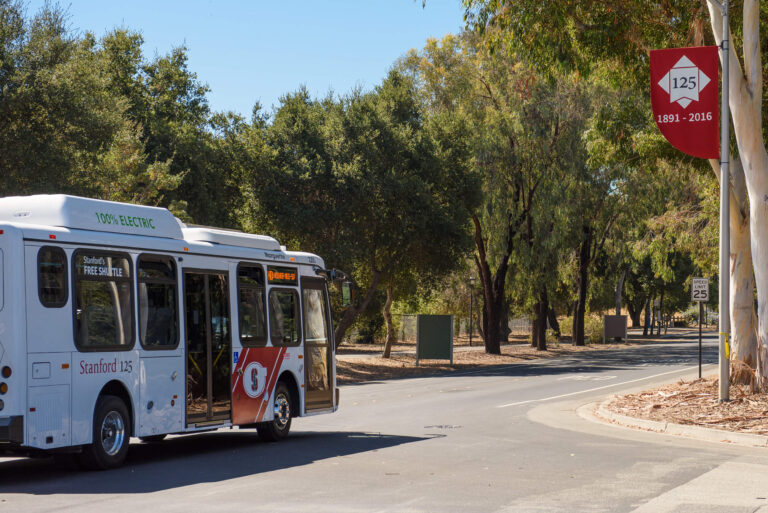
Project: Enhancing Stanford’s EV Readiness
Nikita Salunke helped shape Stanford’s electric vehicle (EV) charging infrastructure as a Living Lab Fellow.
The campus electric load is forecasted to exceed 80% capacity each day this week. Please reduce electricity from 2 to 6 p.m. this week to protect our overall campus power supply. (sustainable.stanford.edu/power-smart)

Nikita Salunke helped shape Stanford’s electric vehicle (EV) charging infrastructure as a Living Lab Fellow.
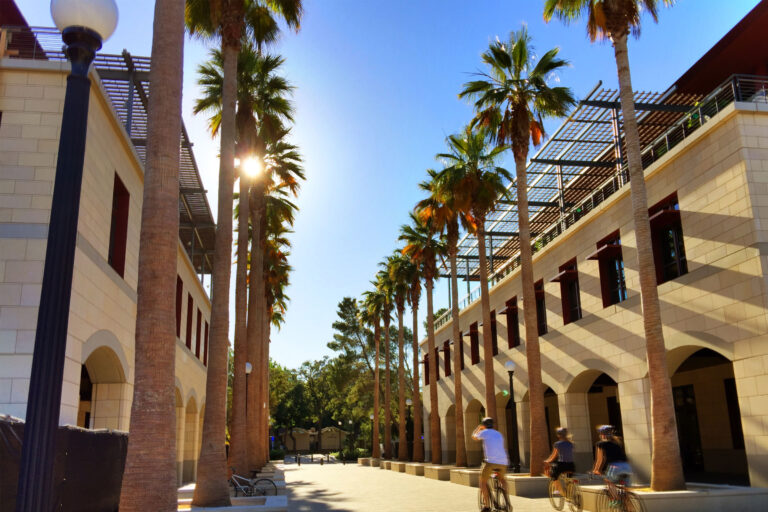
Jeremy Rubin, M.A. in Public Policy ’24, explored carbon offsets for Stanford’s scope 3 emissions, and engaged with stakeholders and experts to help the university achieve net zero emissions.
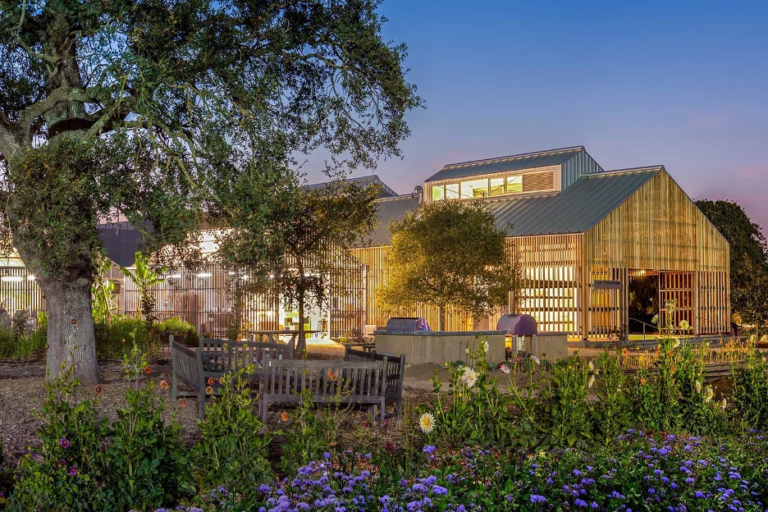
Sergio Lopez used his fellowship to electrify Stanford’s Educational Farm, reducing emissions and leading the transition of small farms from fossil fuel dependency.
Justin West ’25 piloted an occupancy-based HVAC scheduling system in the Gates building, aiming to reduce energy consumption by 20% through adjustments based on real-time data.
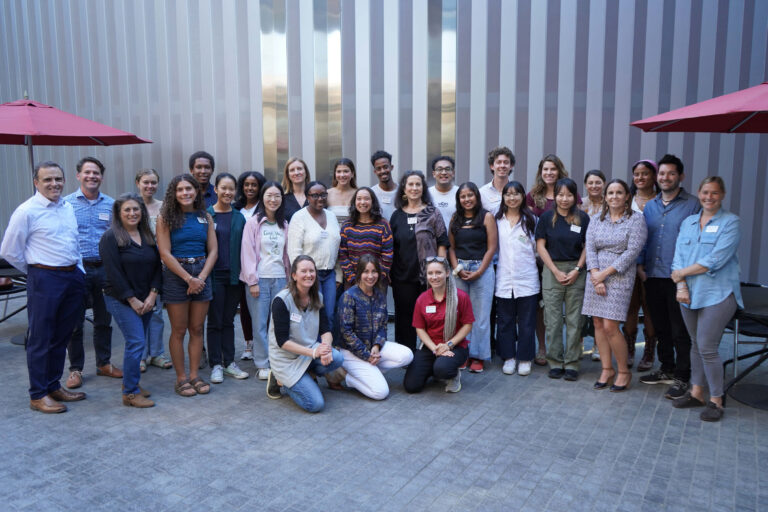
Sixty-one Stanford students are driving real change in sustainability through the Living Lab Program, tackling real issues while gaining hands-on experience.
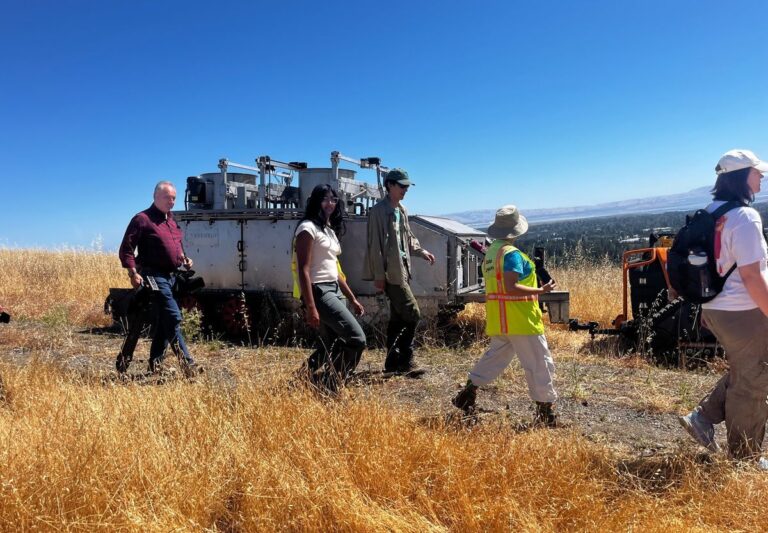
Californians are no strangers to wildfires. As the scientific community searches for answers to prevent fire before it happens, Stanford is testing a “BurnBot” that can create fuel breaks.
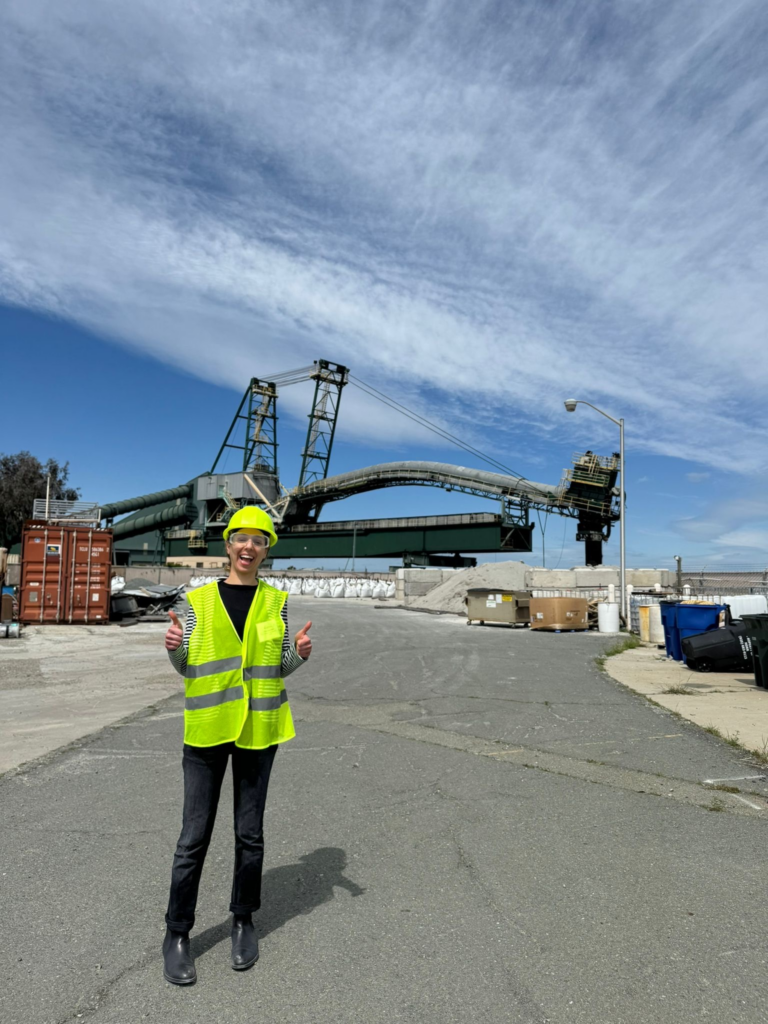
Doctoral student Eleni Alexandraki, B.S. ’19 and M.S. ’21, developed a set of Whole Building Life Cycle Assessment Guidelines for her Living Lab Fellowship Project.
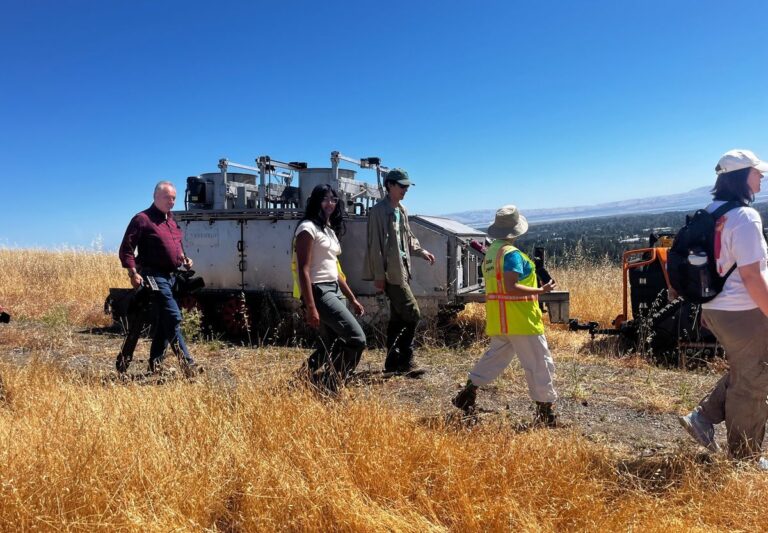
Stanford’s Conservation Program is testing a cutting-edge “BurnBot” to improve wildfire management, using controlled burns to create fire breaks and support ecosystem health.
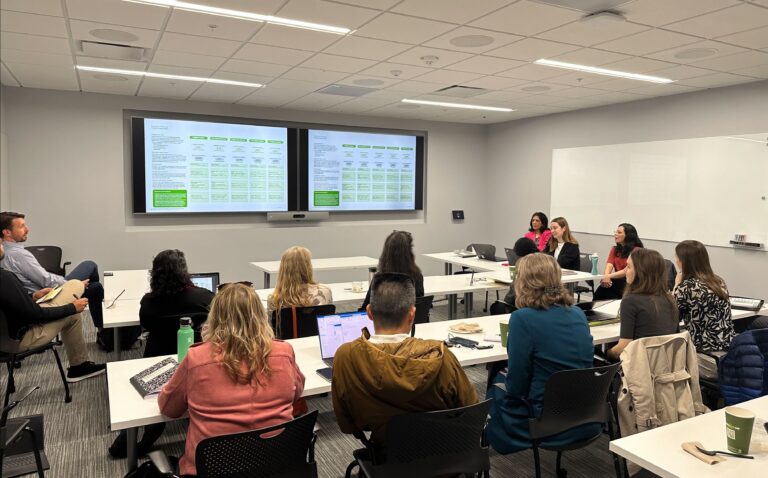
A new study on embodied carbon in construction materials led to new guidelines to help the university meet its net-zero emissions goal by 2050.
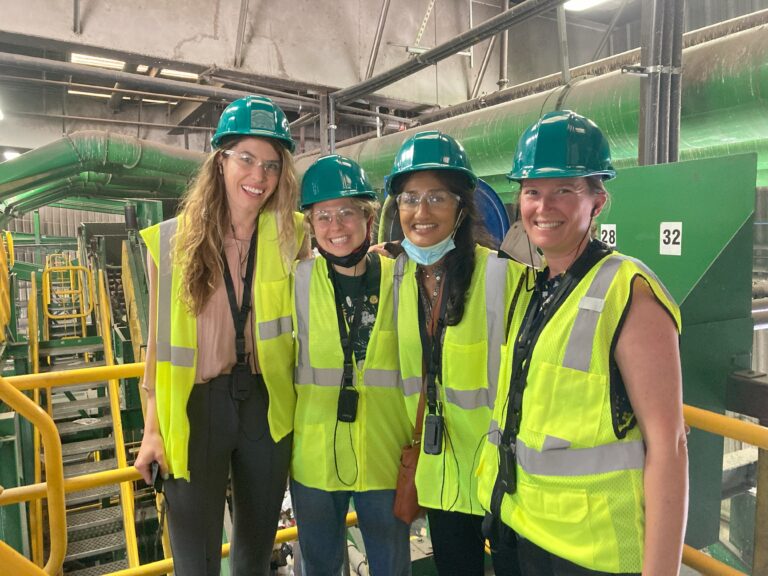
Sam Bunke, PhD candidate in chemical engineering, developed a framework for addressing waste justice in Stanford’s programs.