Protected: Investment in Data Infrastructure Powers Smart Energy Management
There is no excerpt because this is a protected post.

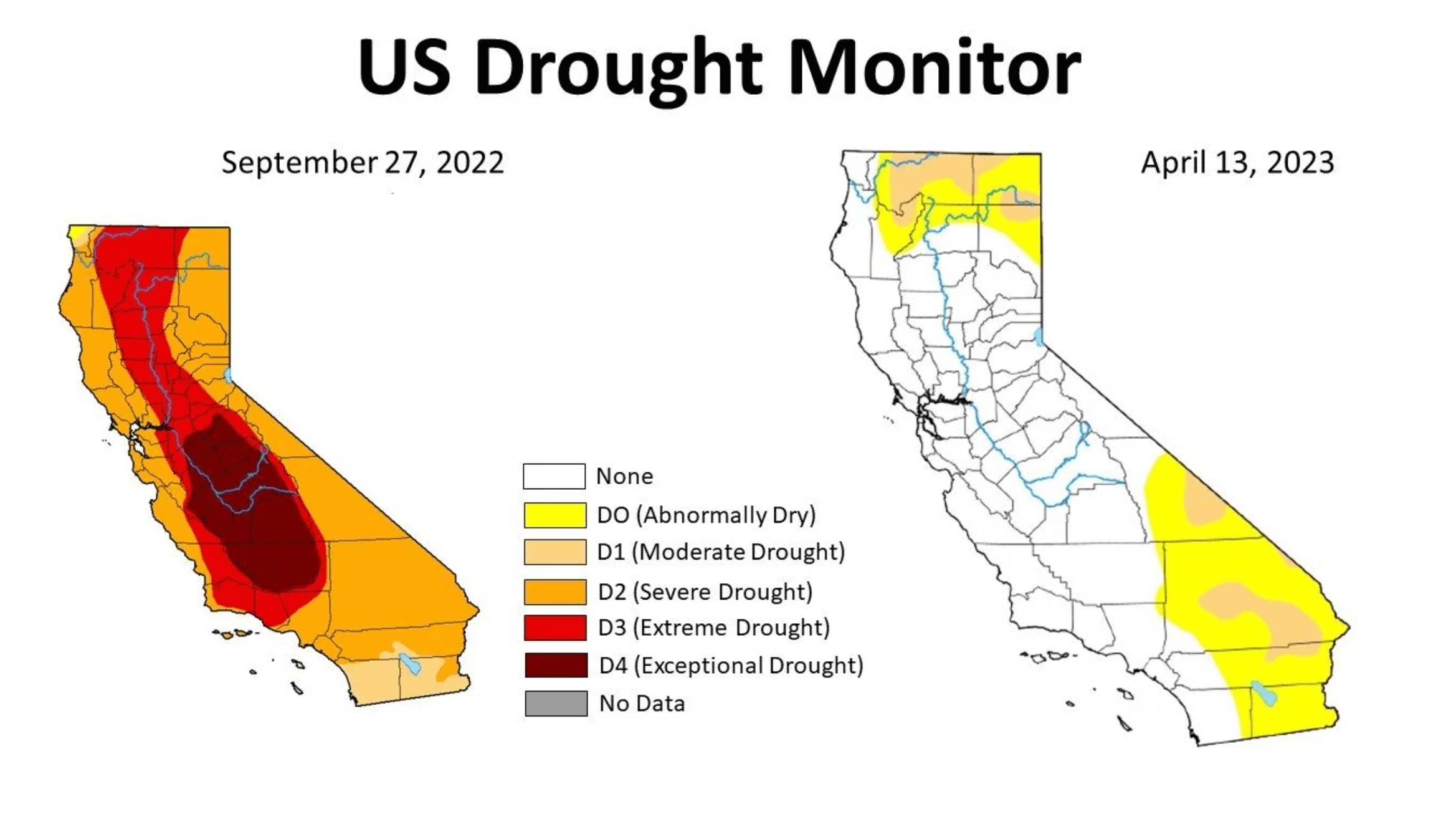
Stanford has a long history of sustainable water management. The Stanford Water Conservation Program has diligently implemented water savings projects since 2001, reducing overall campus water use by 48%. During times of drought, additional water use reductions are needed to meet local and statewide needs. In 2022, the state of California adopted emergency water conservation regulations, and our water supplier, the San Francisco Public Utilities Commission, has allocated a reduced supply of potable water.
Stanford’s Water Planning & Stewardship team has continued to collaborate with campus water users to take action to respond to drought. Many of these drought actions are focused on outdoor irrigation restrictions, with the most stringent requirements related to ornamental turf and areas irrigated with domestic water.
Stanford Water Resources & Civil Infrastructure staff continue to explore and develop efficient practices and alternative water supplies for the future. Some past projects include implementing water efficiency standards in all new buildings, installing two stormwater capture facilities to capture stormwater runoff for non-potable irrigation, and working with campus groups to install irrigation equipment upgrades and water mizers for autoclaves.
There is no excerpt because this is a protected post.
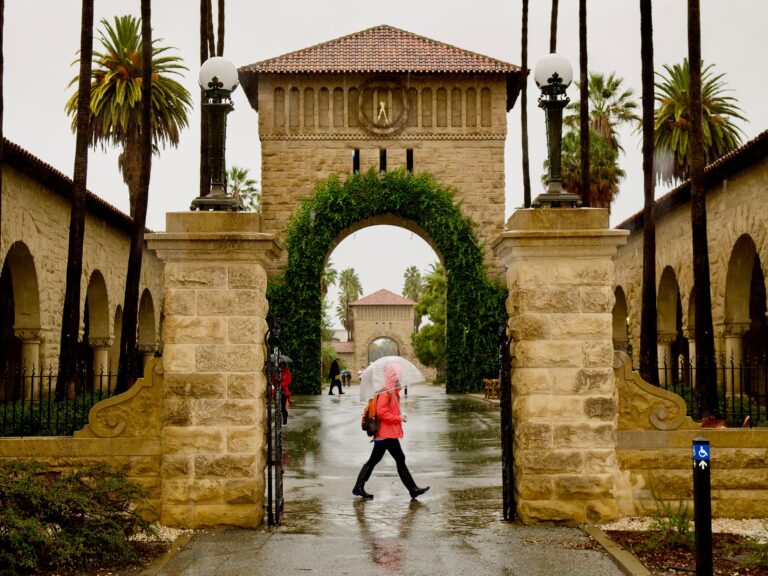
Past infrastructure enhancements for capturing and redirecting rainfall have strengthened campus readiness for winter storms.

Danica Sun ’28 explored smarter resource use for one of Stanford’s major computing clusters.