

Growing Our Garden: Bringing More Water-Efficient, Biodiverse Turf to Campus
Kim Nguyen is in her second year as a Water Efficiency and Data Analysis Intern, is working to bring more water-efficient turf to residential areas on campus.

Stanford University’s Water Resources and Civil Infrastructure (WRCI) Group has recently published the 2022 Annual Water Quality Report. The WRCI monitored both source and treated water supplies on campus throughout 2022 and found that the water quality was within the standards of the State Water Control Board and United States Environmental Protection Agency. Stanford water comes from both surface water stored in local reservoirs and groundwater stored in aquifers, and it undergoes treatment including fluoridation and chloramination.
Want to learn more about water sourcing and treatment?
Kim Nguyen is in her second year as a Water Efficiency and Data Analysis Intern, is working to bring more water-efficient turf to residential areas on campus.
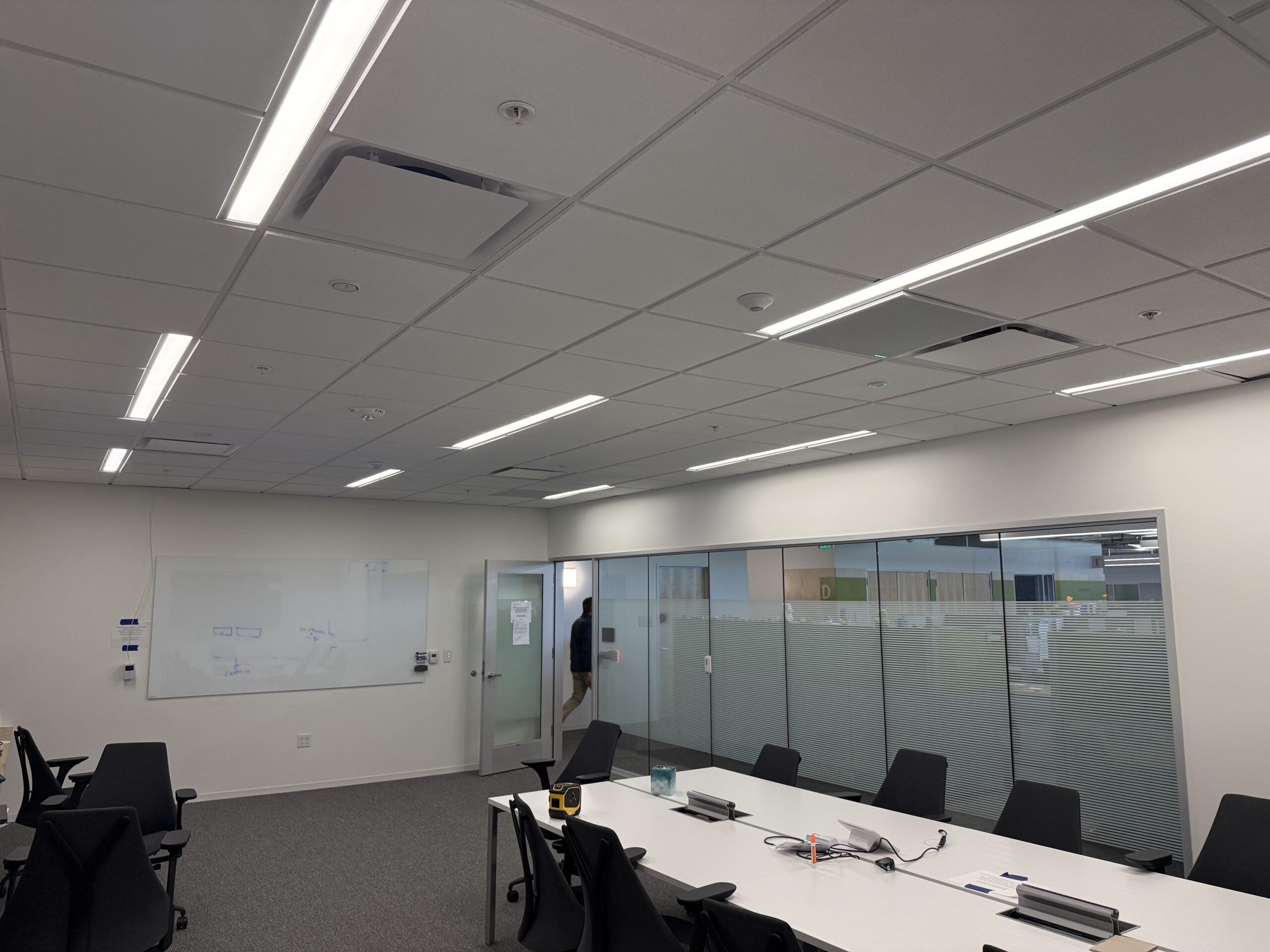
Personalized, air-conditioning technology tested on campus cut cooling demand by roughly 60 percent.
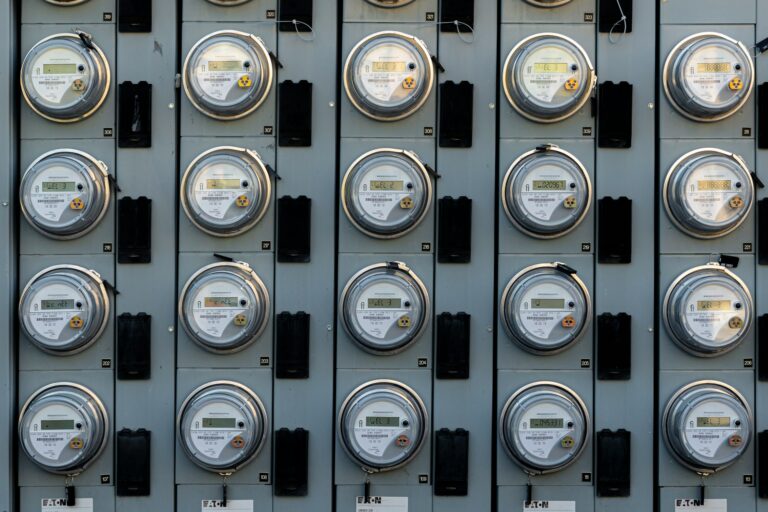
Stanford’s Facilities Energy Management group integrates AI with a foundation of well-maintained data and its own experts.