Growing Our Garden: Bringing More Water-Efficient, Biodiverse Turf to Campus
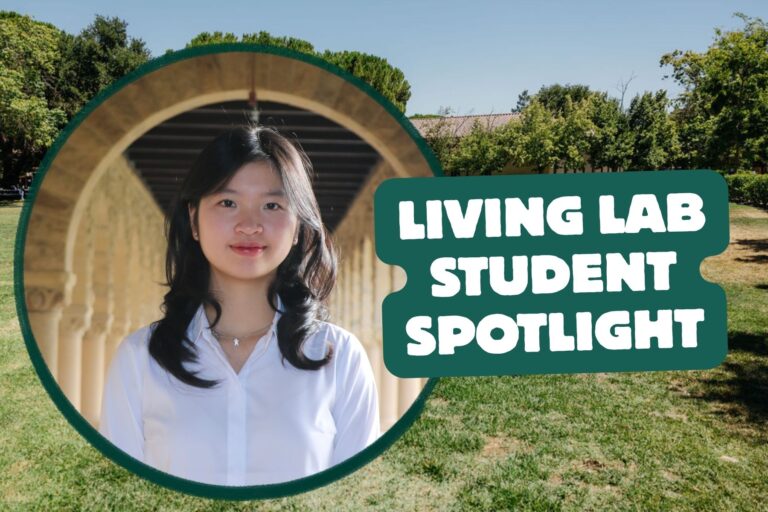
Kim Nguyen is in her second year as a Water Efficiency and Data Analysis Intern, is working to bring more water-efficient turf to residential areas on campus.

While this year’s rainfall has partially helped California recover from years of extreme drought conditions, water conservation remains a critical issue and a key component of sustainability. Stanford University, in compliance with the state of California, continues to minimize water waste through prohibiting irrigation during and within 48 hours of rainfall, restricting spray irrigation between 7 am and 7 pm, reducing potable water use for fountains and decorative water features, and more. Thanks to these efforts, domestic water use trends on campus remained consistent in 2022 with data from previous years. The Stanford Water Planning and Stewardship team appreciates the community’s commitment to water conservation and encourages students, faculty, and staff to prioritize water efficiency.
Kim Nguyen is in her second year as a Water Efficiency and Data Analysis Intern, is working to bring more water-efficient turf to residential areas on campus.
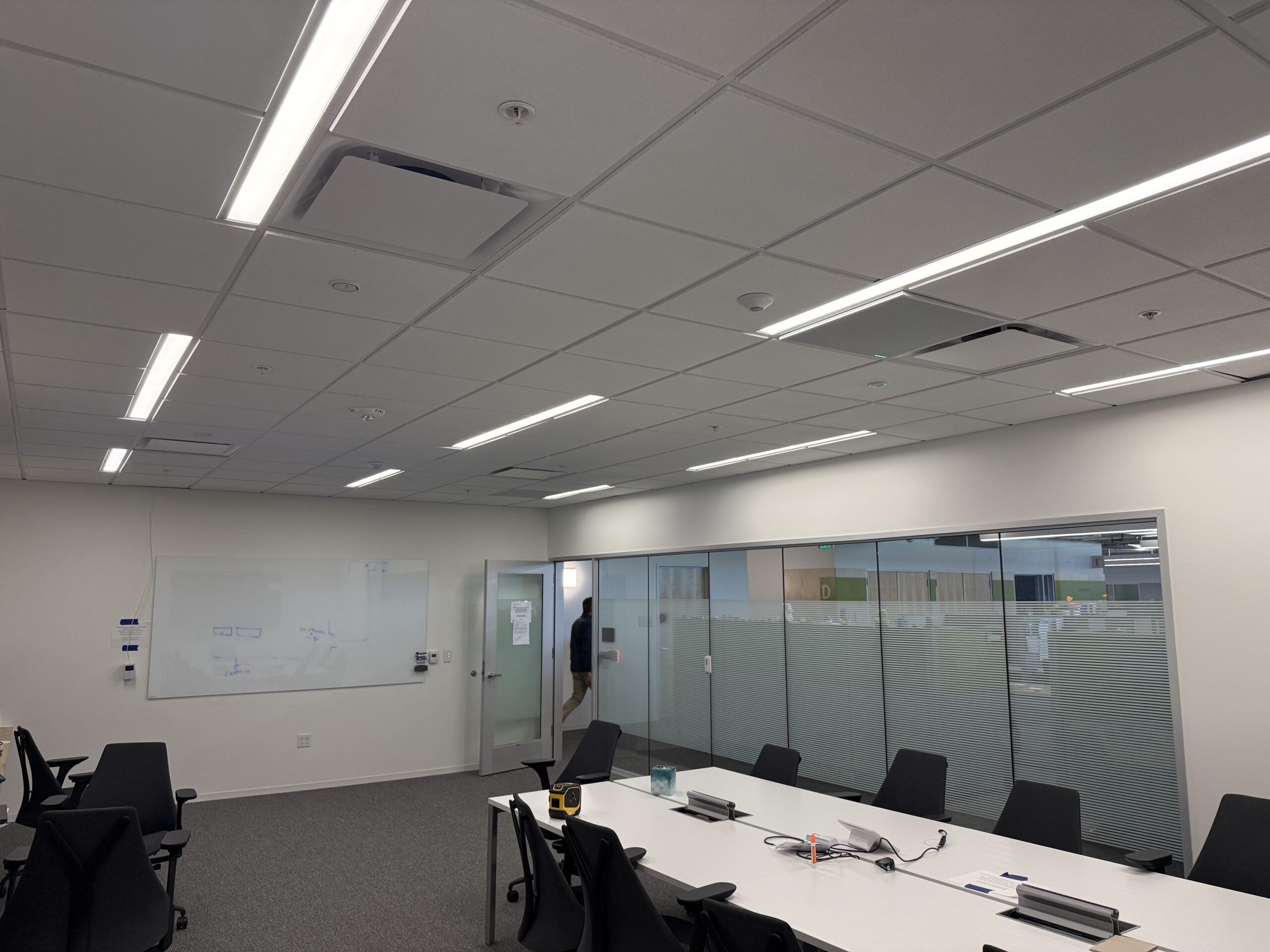
Personalized, air-conditioning technology tested on campus cut cooling demand by roughly 60 percent.
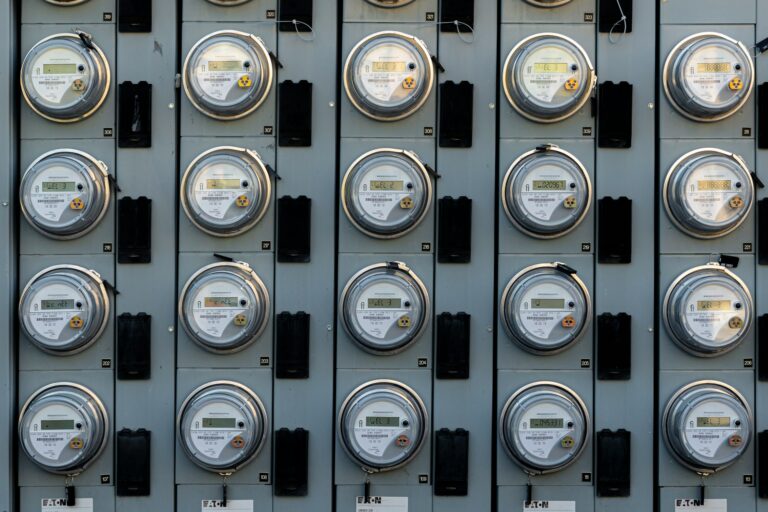
Stanford’s Facilities Energy Management group integrates AI with a foundation of well-maintained data and its own experts.