
Growing Our Garden: Bringing More Water-Efficient, Biodiverse Turf to Campus
Kim Nguyen is in her second year as a Water Efficiency and Data Analysis Intern, is working to bring more water-efficient turf to residential areas on campus.

Every load of laundry uses water and energy — use this tool to lighten the load on campus resource for more sustainable laundry days.
Save time, energy, and water by saving laundry day for when you have a full load.
In R&DE Student Housing’s HE washers, use just ¼ cup of detergent—more isn’t better and can actually make clothes less clean. Smart laundry habits help maximize efficiency and reduce your environmental impact.
Choose the cold water setting when doing laundry—it cleans just as effectively and helps your clothes last longer. Since heating water accounts for about 90% of the energy used in a wash cycle, switching to cold is an easy way to save energy and reduce your carbon footprint.
Save energy and extend the life of your clothes by air-drying whenever possible. If you use a dryer, combine loads and avoid over-drying by checking clothes regularly. These simple habits reduce energy use and make your laundry routine more sustainable.

Kim Nguyen is in her second year as a Water Efficiency and Data Analysis Intern, is working to bring more water-efficient turf to residential areas on campus.
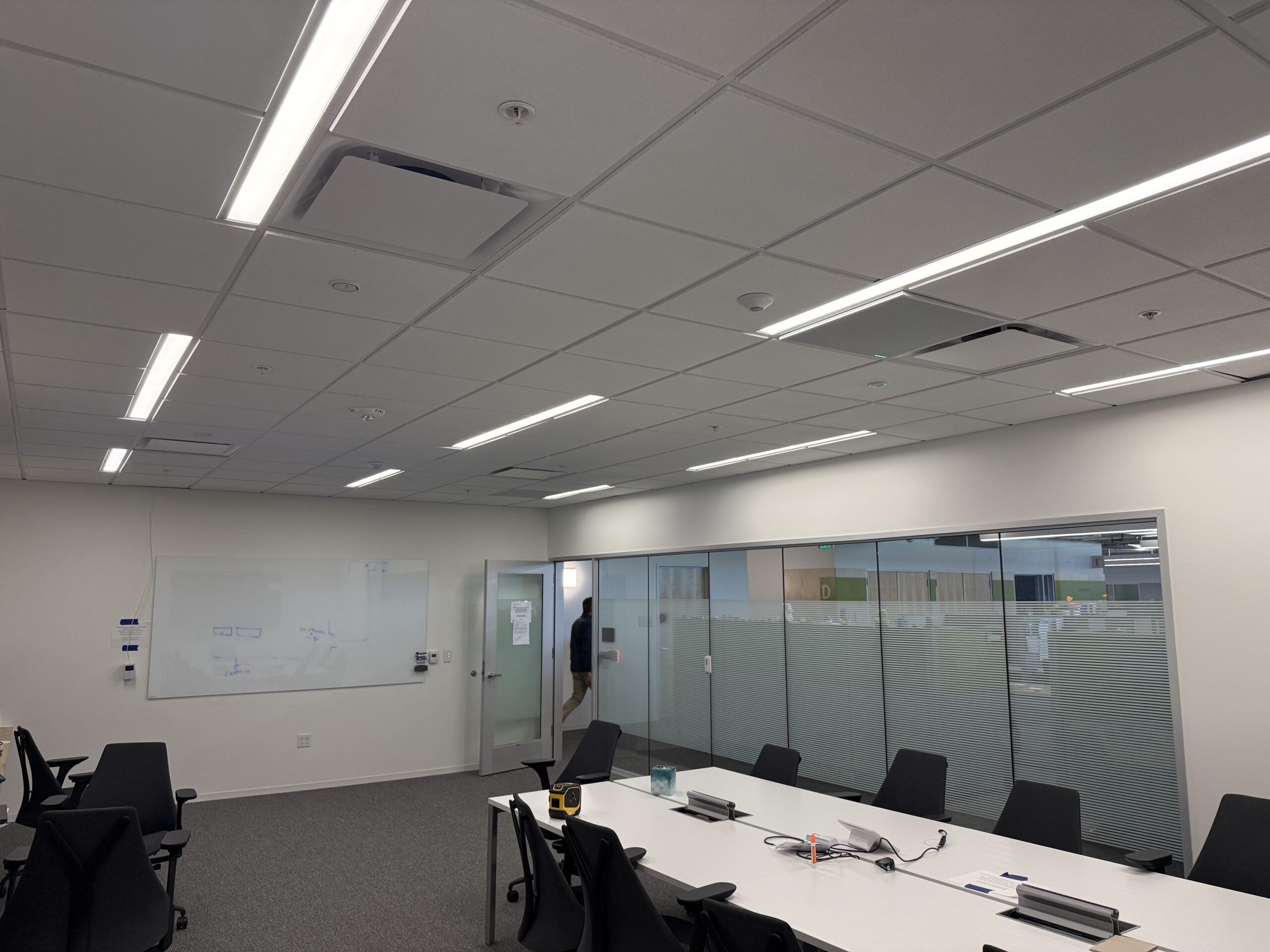
Personalized, air-conditioning technology tested on campus cut cooling demand by roughly 60 percent.
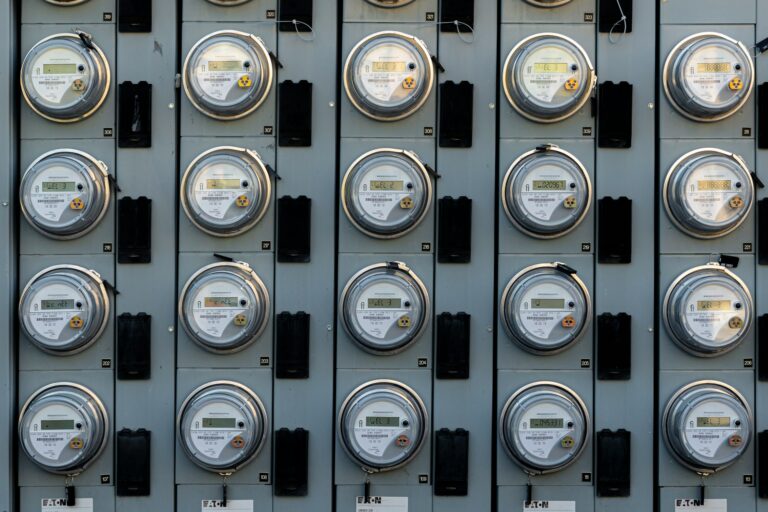
Stanford’s Facilities Energy Management group integrates AI with a foundation of well-maintained data and its own experts.