Growing Our Garden: Bringing More Water-Efficient, Biodiverse Turf to Campus
Kim Nguyen is in her second year as a Water Efficiency and Data Analysis Intern, is working to bring more water-efficient turf to residential areas on campus.

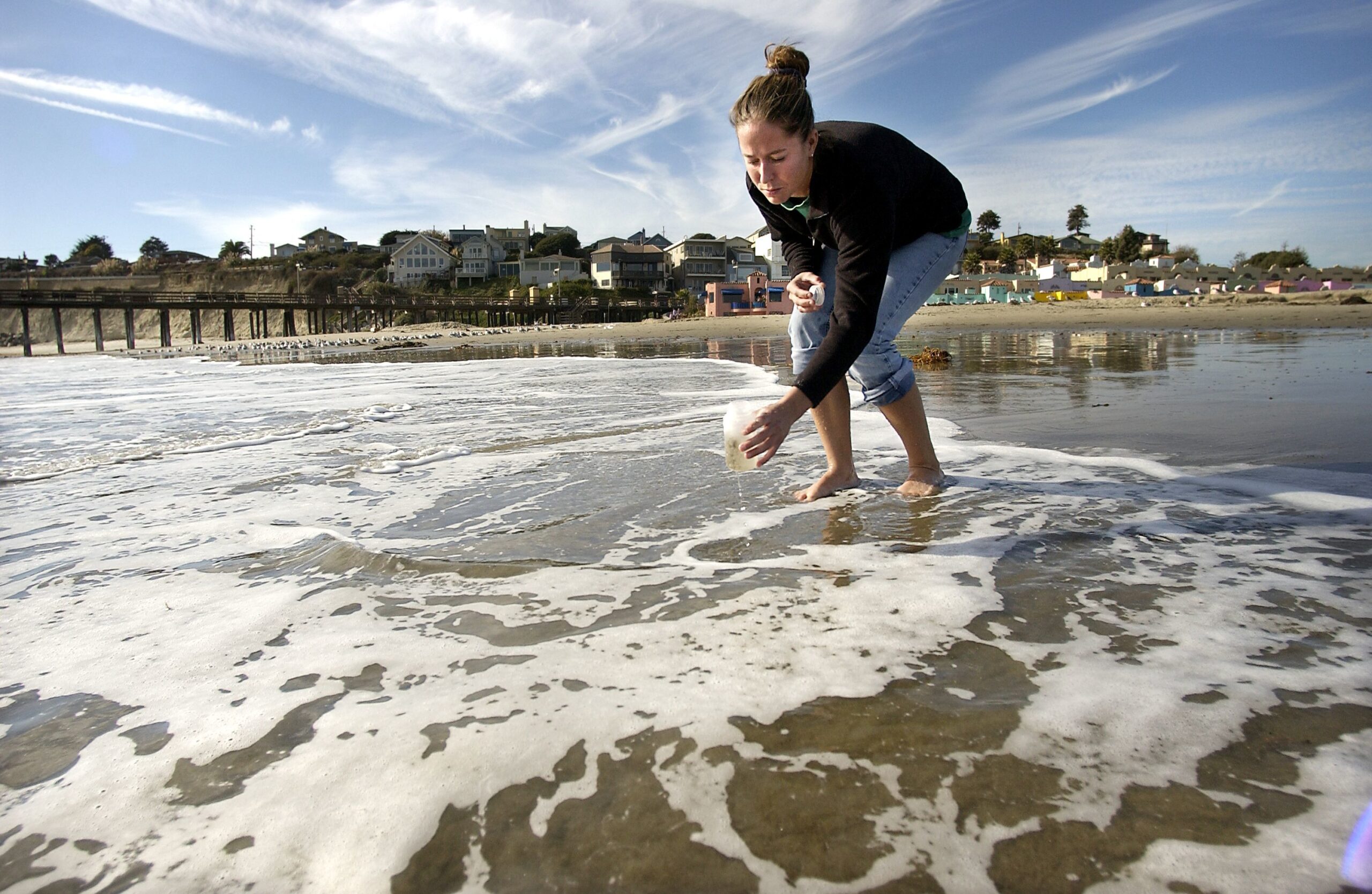
With the shelter in place orders mandated across the state of California for COVID-19, activity across the university greatly decreased. However, Stanford water technicians stayed hard at work and continued to operate, monitor, and maintain the university’s water, sewer, and storm drain systems. Even with fewer people on campus and additional requirements for social distancing, Stanford water technicians continued to take daily water samples from the domestic water system to ensure the campus had high-quality drinking water. Building and facility managers also played a crucial part in maintaining high-quality drinking water by routinely flushing unoccupied buildings to prevent stagnant water from creating water quality concerns.
Kim Nguyen is in her second year as a Water Efficiency and Data Analysis Intern, is working to bring more water-efficient turf to residential areas on campus.
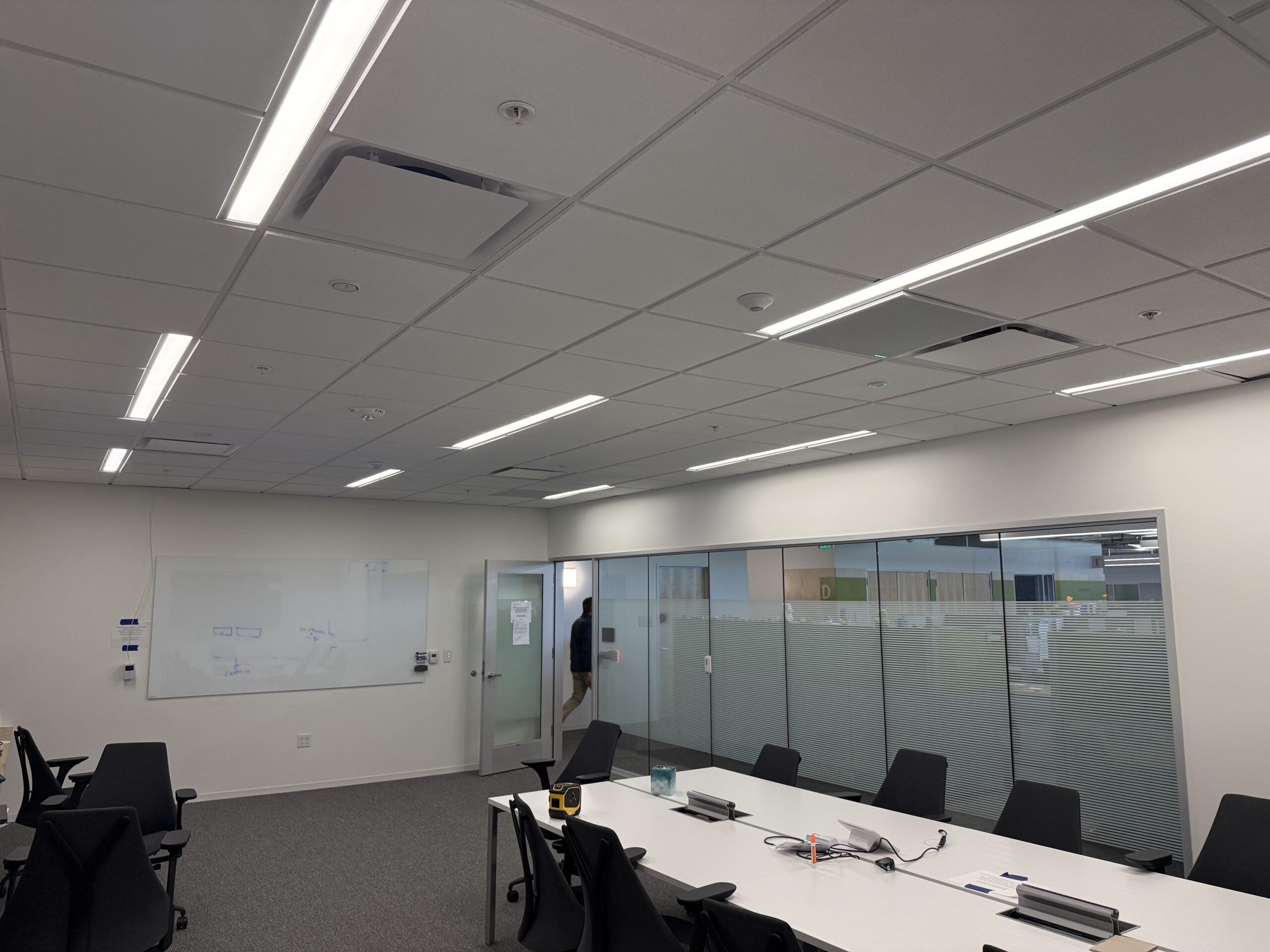
Personalized, air-conditioning technology tested on campus cut cooling demand by roughly 60 percent.
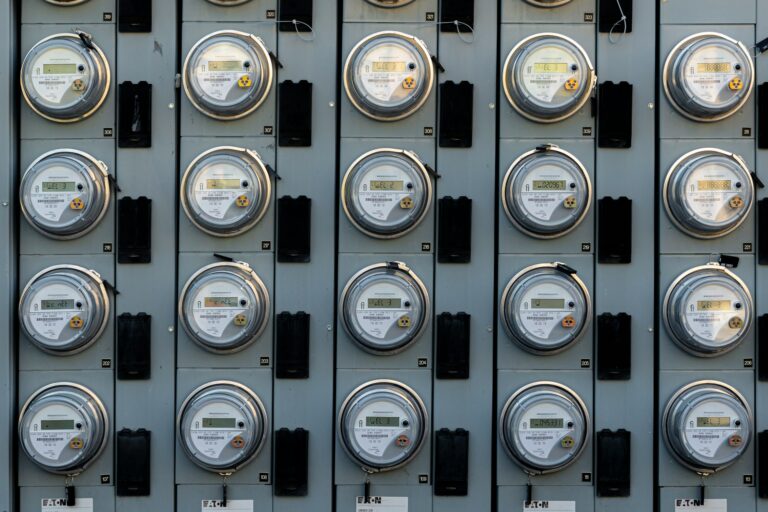
Stanford’s Facilities Energy Management group integrates AI with a foundation of well-maintained data and its own experts.