
Growing Our Garden: Bringing More Water-Efficient, Biodiverse Turf to Campus
Kim Nguyen is in her second year as a Water Efficiency and Data Analysis Intern, is working to bring more water-efficient turf to residential areas on campus.

Unlock the potential to reduce energy consumption and cut costs with these essential tools and strategies designed for facilities and building managers.
Whether working from home or in Stanford’s offices, reducing electrical consumption is a smart way to save power and cut energy costs. Install appliance timers and Smart Strips to reduce the energy load at your workstations.
Conserve energy by turning off heating and ventilation systems in buildings during holiday closures. For example, two weeks before Thanksgiving, look for notifications and reminders to customize your building’s HVAC systems with a special checklist.
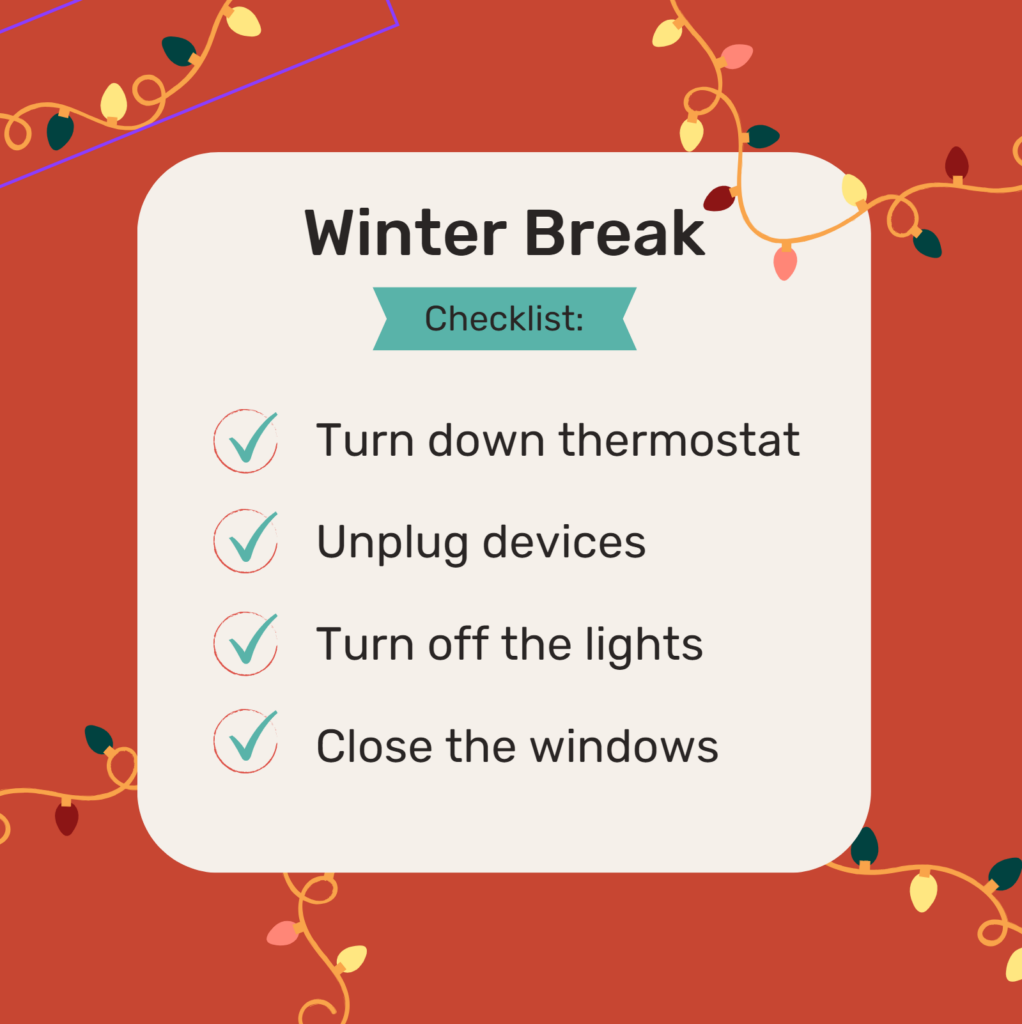
Building managers can share ready-made Sustainable Stanford signage and communication with occupants that remind them to unplug and turn off devices as appropriate and to turn down thermostats before breaks.
Reduce the energy use in buildings by tailoring HVAC to occupancy. To learn more about building automation and controls and how to use building thermostats, connect with Sustainable Stanford.
Kim Nguyen is in her second year as a Water Efficiency and Data Analysis Intern, is working to bring more water-efficient turf to residential areas on campus.
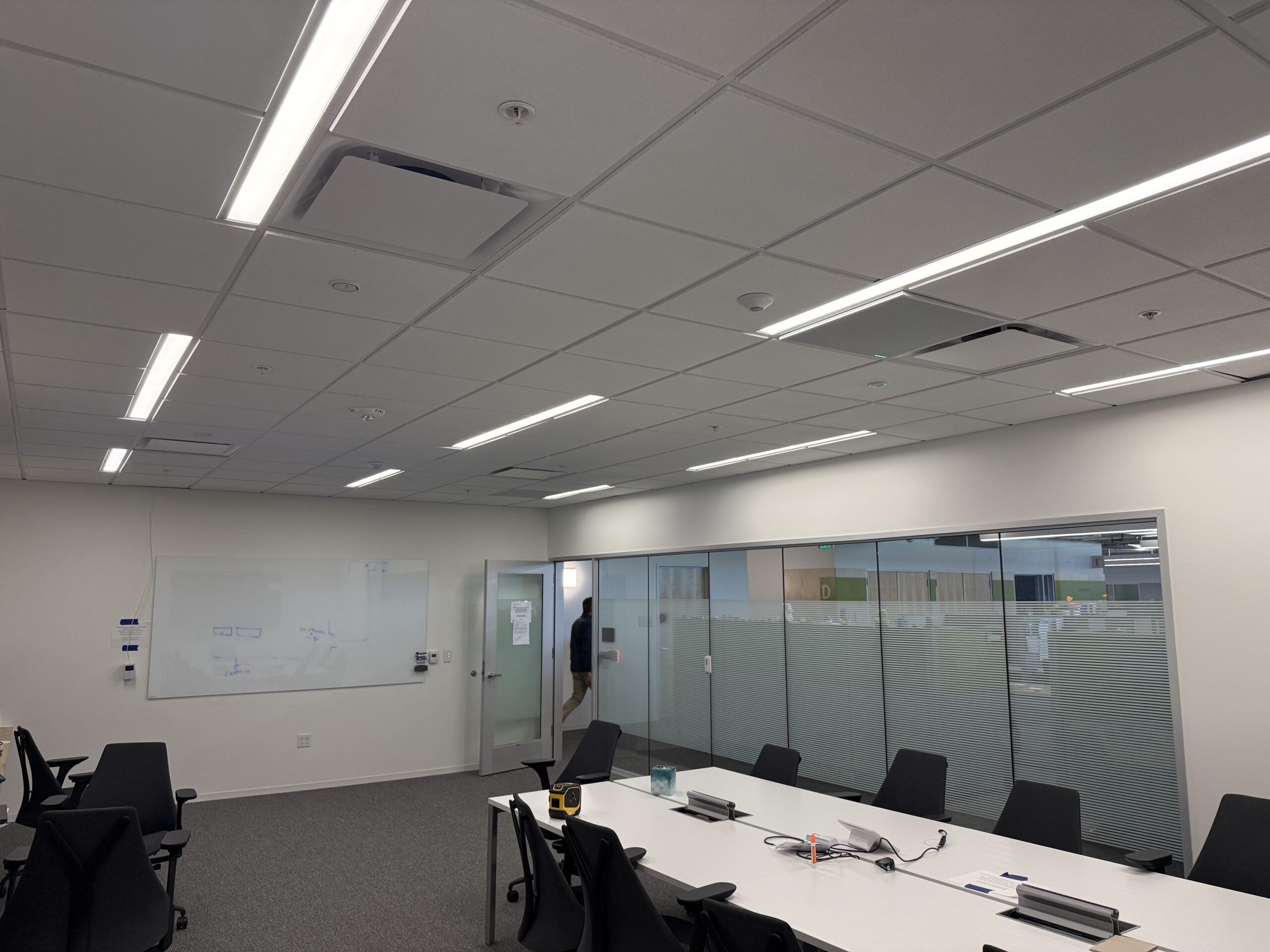
Personalized, air-conditioning technology tested on campus cut cooling demand by roughly 60 percent.
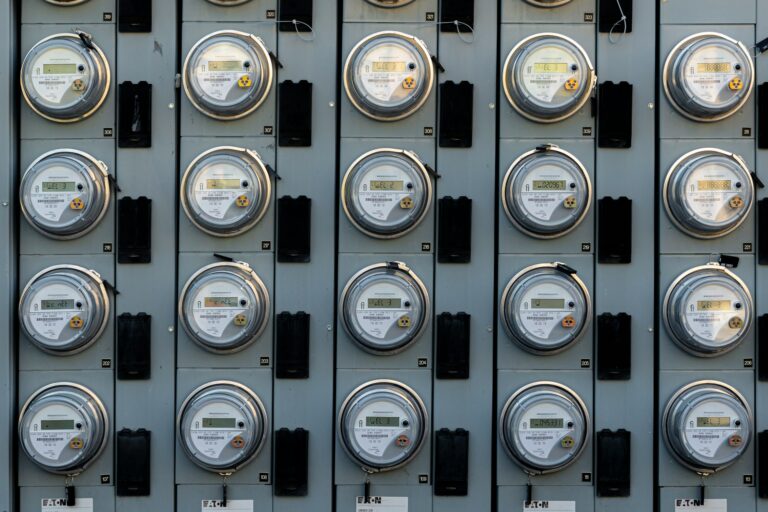
Stanford’s Facilities Energy Management group integrates AI with a foundation of well-maintained data and its own experts.