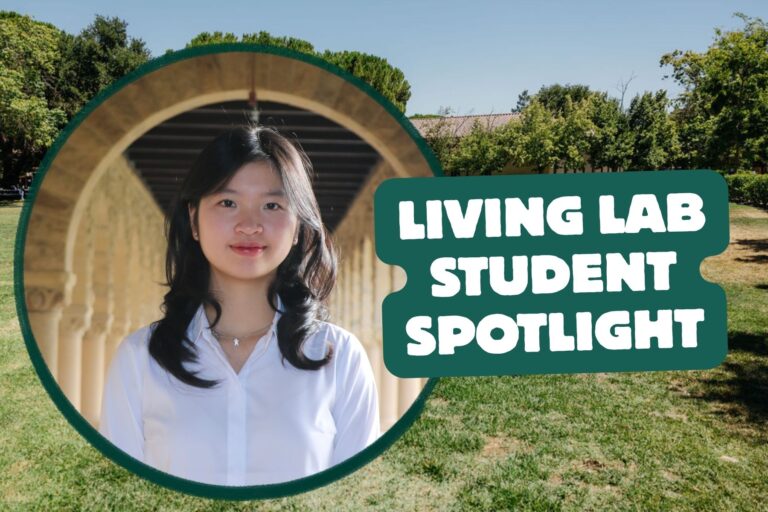
Growing Our Garden: Bringing More Water-Efficient, Biodiverse Turf to Campus
Kim Nguyen is in her second year as a Water Efficiency and Data Analysis Intern, is working to bring more water-efficient turf to residential areas on campus.

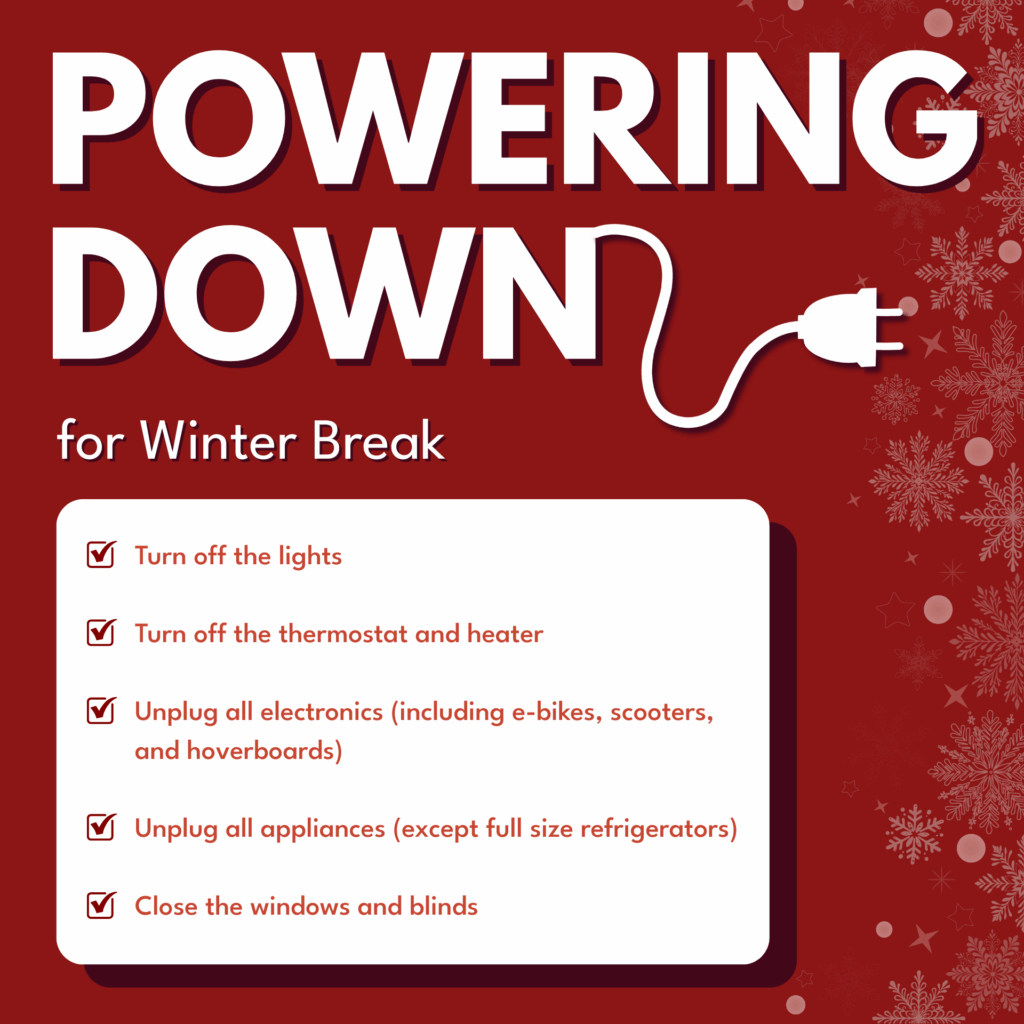
When campus winds down for break, it’s one of Stanford’s biggest opportunities to reduce energy waste. By taking a few simple steps before you leave, you help lower emissions, protect equipment, and keep buildings running efficiently while occupancy is low. Whether you’re a student, staff/faculty member, facility manager, or lab personnel, there are tips for everyone in the Stanford community to save energy while taking a break this holiday season!
Across all of Stanford’s buildings, equipment left on unnecessarily can add up to thousands of kilowatt-hours of wasted energy. Simple actions like the ones below — shutting fume hoods in labs, turning off equipment, unplugging devices — make an outsized impact on campus energy use and emissions during holiday and seasonal breaks. Join the hundreds of colleagues and student peers powering down for break! These collective actions support Stanford’s campus-wide goal to reduce emissions and keep buildings operating efficiently year-round.
Kim Nguyen is in her second year as a Water Efficiency and Data Analysis Intern, is working to bring more water-efficient turf to residential areas on campus.
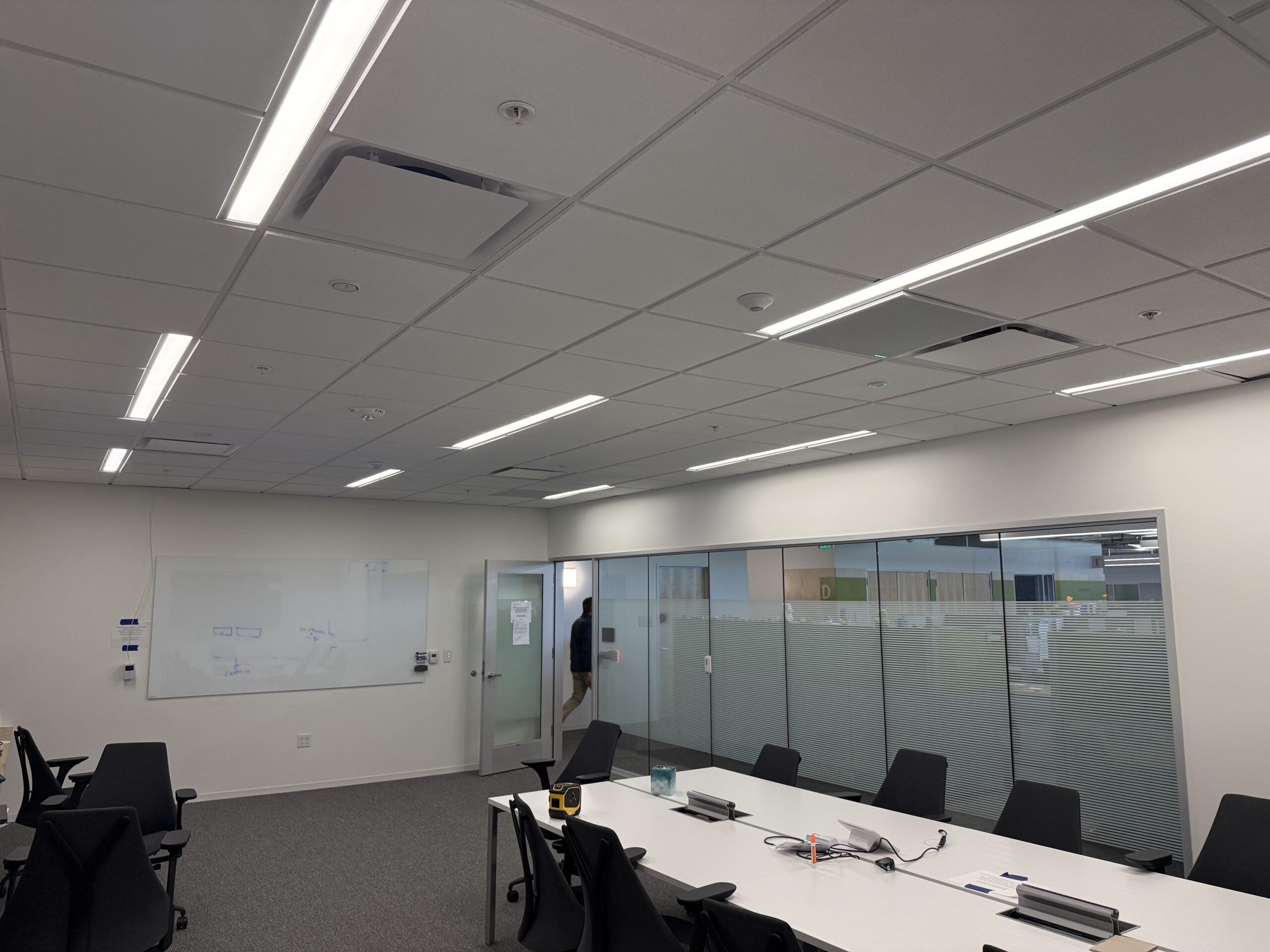
Personalized, air-conditioning technology tested on campus cut cooling demand by roughly 60 percent.
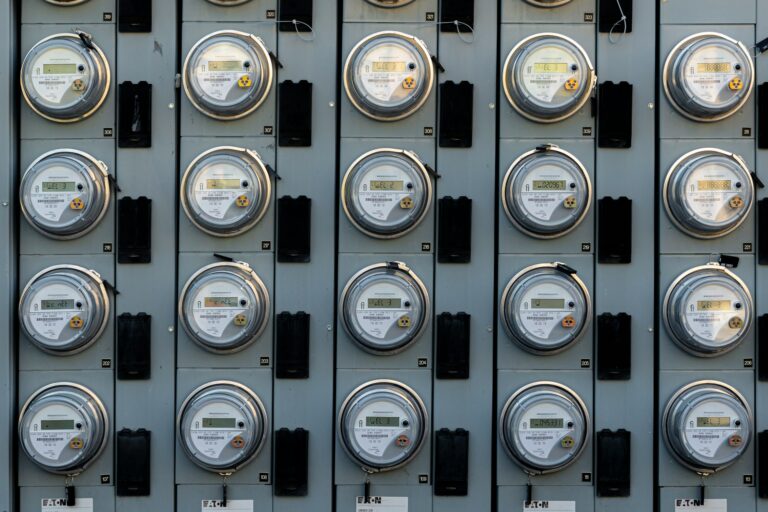
Stanford’s Facilities Energy Management group integrates AI with a foundation of well-maintained data and its own experts.