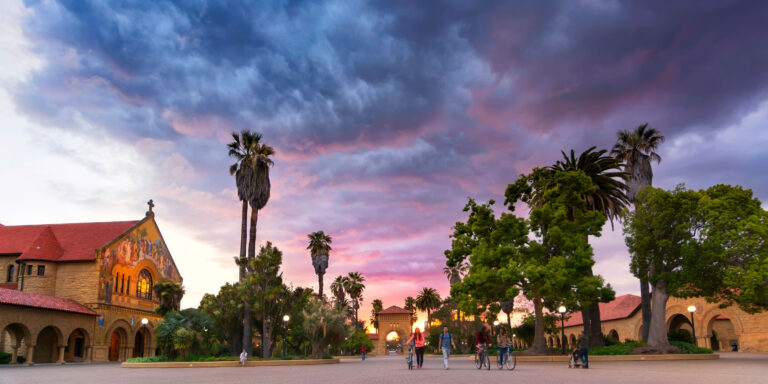
Project: Scheduling for Sustainability
Justin West ’25 piloted an occupancy-based HVAC scheduling system in the Gates building, aiming to reduce energy consumption by 20% through adjustments based on real-time data.
The campus electric load is forecasted to exceed 80% capacity each day this week. Please reduce electricity from 2 to 6 p.m. this week to protect our overall campus power supply. (sustainable.stanford.edu/power-smart)

Justin West ’25 piloted an occupancy-based HVAC scheduling system in the Gates building, aiming to reduce energy consumption by 20% through adjustments based on real-time data.
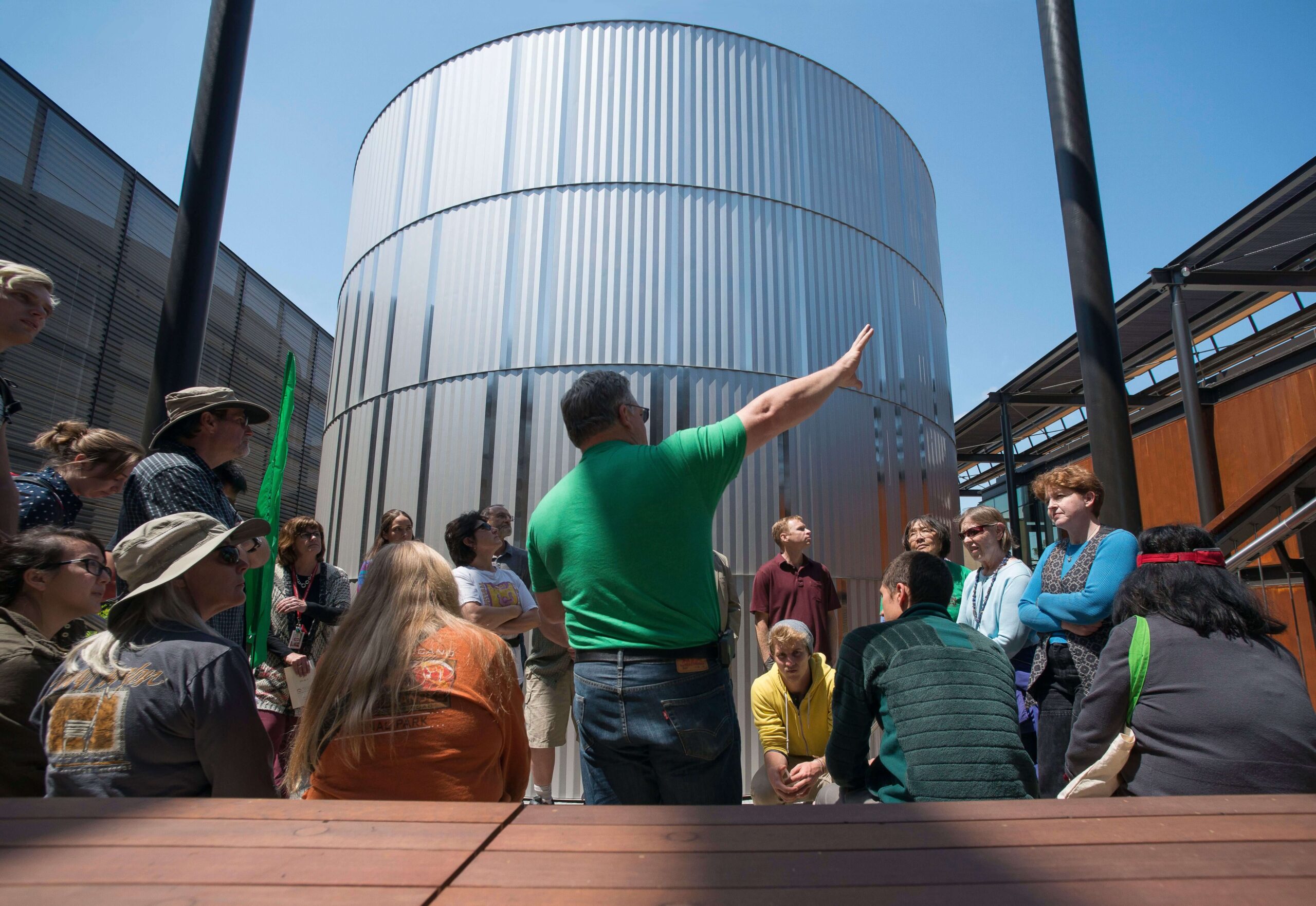
Transformational climate and energy projects at Stanford University have been at the center of attention for nearly a decade.
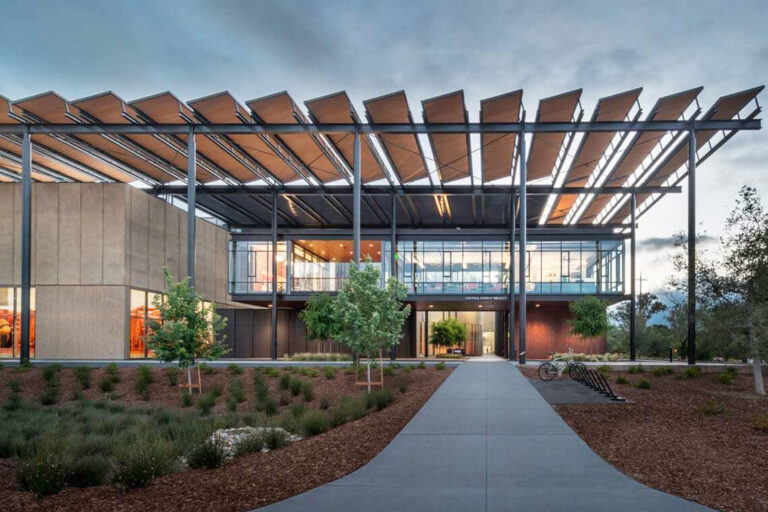
The SESI program receives recognition for its energy supply transformation from fossil fuel dependency to one predominantly powered by 100% renewable electricity.

Stanford’s R&DE team discovered widespread toilet valve leaks in EVGR, with 65% of toilets potentially affected and wasting thousands of gallons daily.
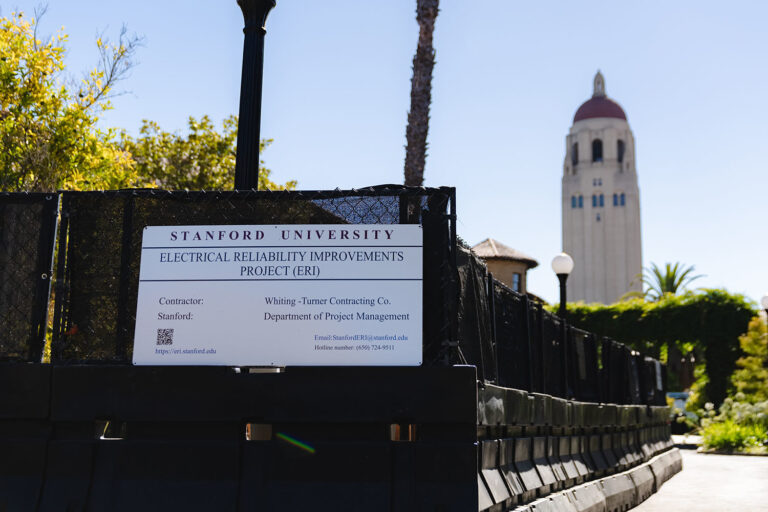
Upgrades to Stanford’s electrical infrastructure will help the university reach its goal of operating at net-zero emissions.
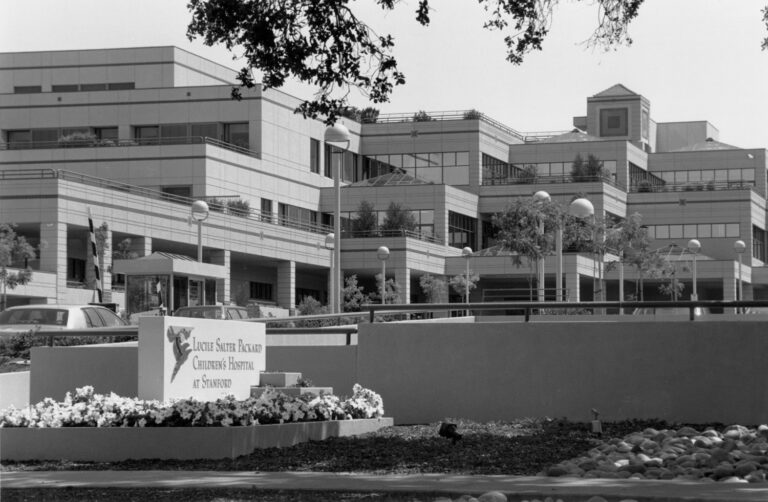
Lucile Packard Children’s Hospital is saving $500,000 annually by using outside air for cooling and upgrading to LED lighting, cutting energy use by 48%.
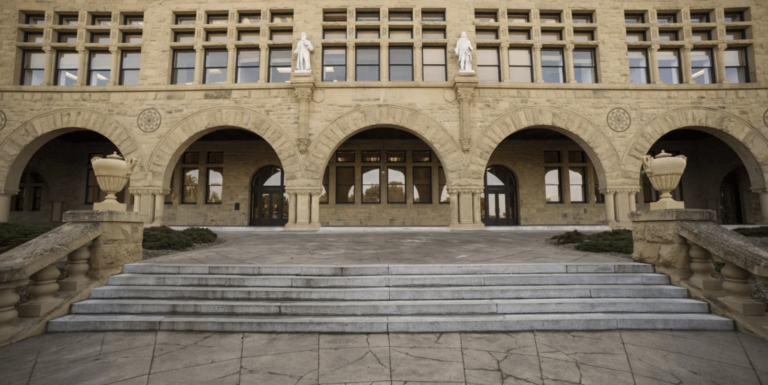
LBRE’s OCx program boosted energy efficiency in 2023, saving over $4,000 annually at Wallenberg through no-cost control system adjustments.
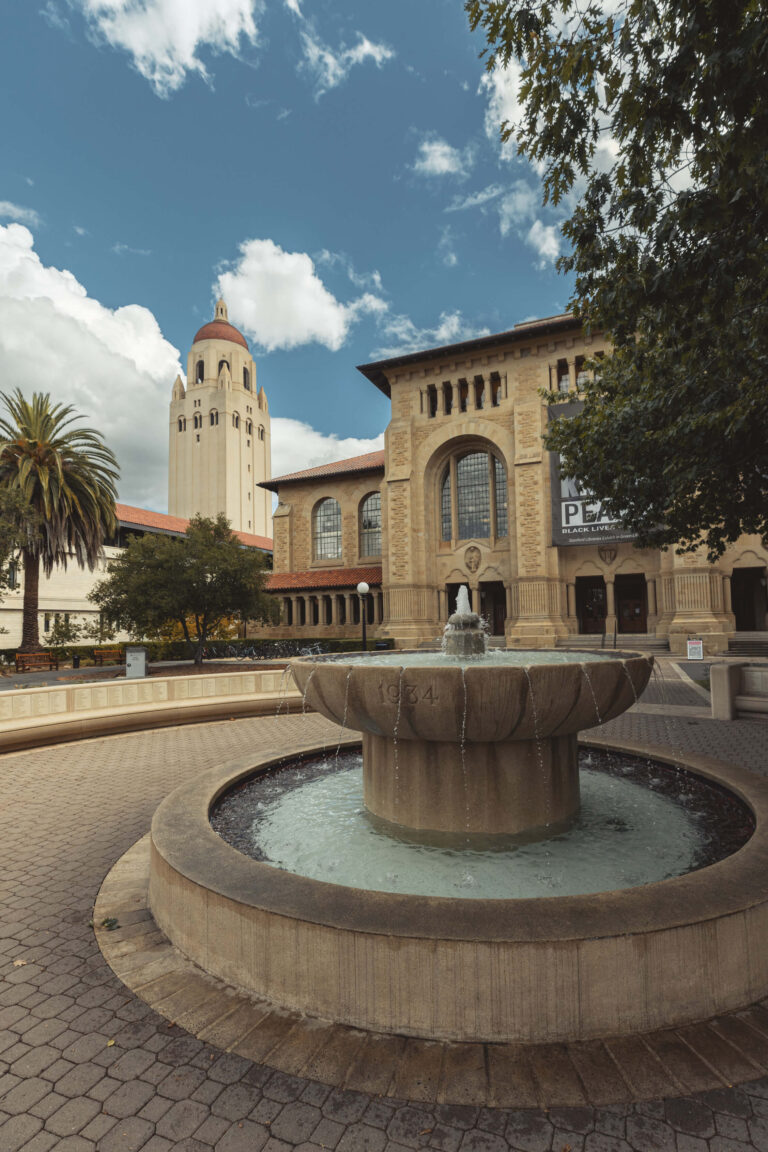
Stanford’s iconic Green Library received upgrades that slashed energy use while ensuring year-round comfort.
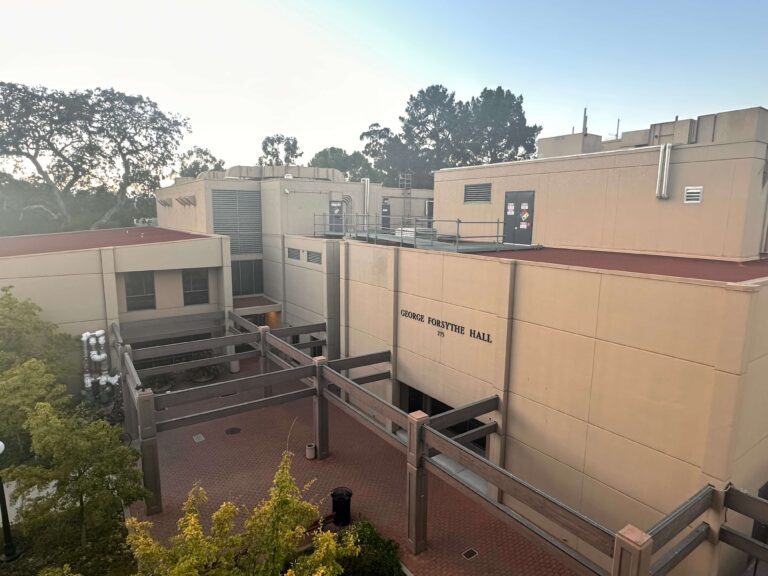
An energy audit of Forsythe Hall revealed uneven airflow, leading to a $90,000 annual savings after upgrading air control systems and economizers
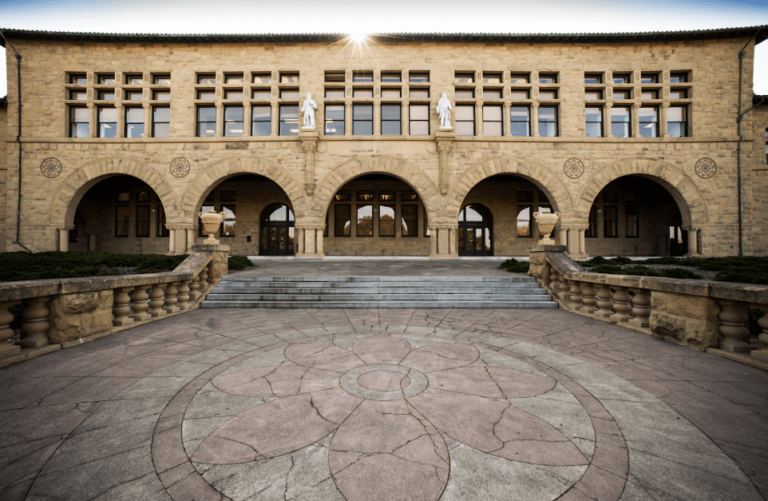
Stanford is reimagining energy solutions across campus, with updates to key buildings like Lucile Packard Children’s Hospital and Green Library.