Growing Our Garden: Bringing More Water-Efficient, Biodiverse Turf to Campus
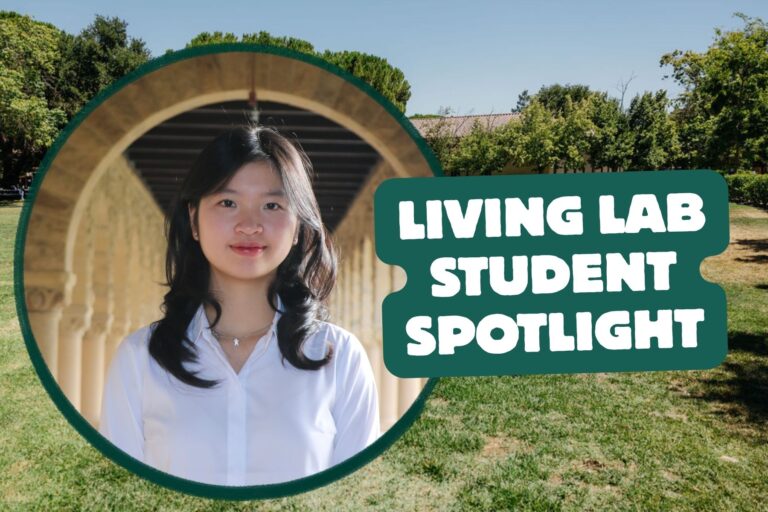
Kim Nguyen is in her second year as a Water Efficiency and Data Analysis Intern, is working to bring more water-efficient turf to residential areas on campus.

When it comes to energy, the little actions make a big difference. That’s why this year Stanford focused on updating, optimizing, and reimagining energy demand solutions at every level. The university has made improvements to reduce energy use in Lucile Packard Children’s Hospital, Green Library, Forsythe Hall, and the Wallenberg, Thornton, Havas, and Varian buildings. These exciting new developments offer opportunities for sustainability benefits and economic savings.
As community members, it is important to remember that individual choices can add up to have large effects. Students and faculty alike can positively contribute to the university’s energy-reducing efforts by staying aware of their individual footprint and promoting sustainable change.
Kim Nguyen is in her second year as a Water Efficiency and Data Analysis Intern, is working to bring more water-efficient turf to residential areas on campus.
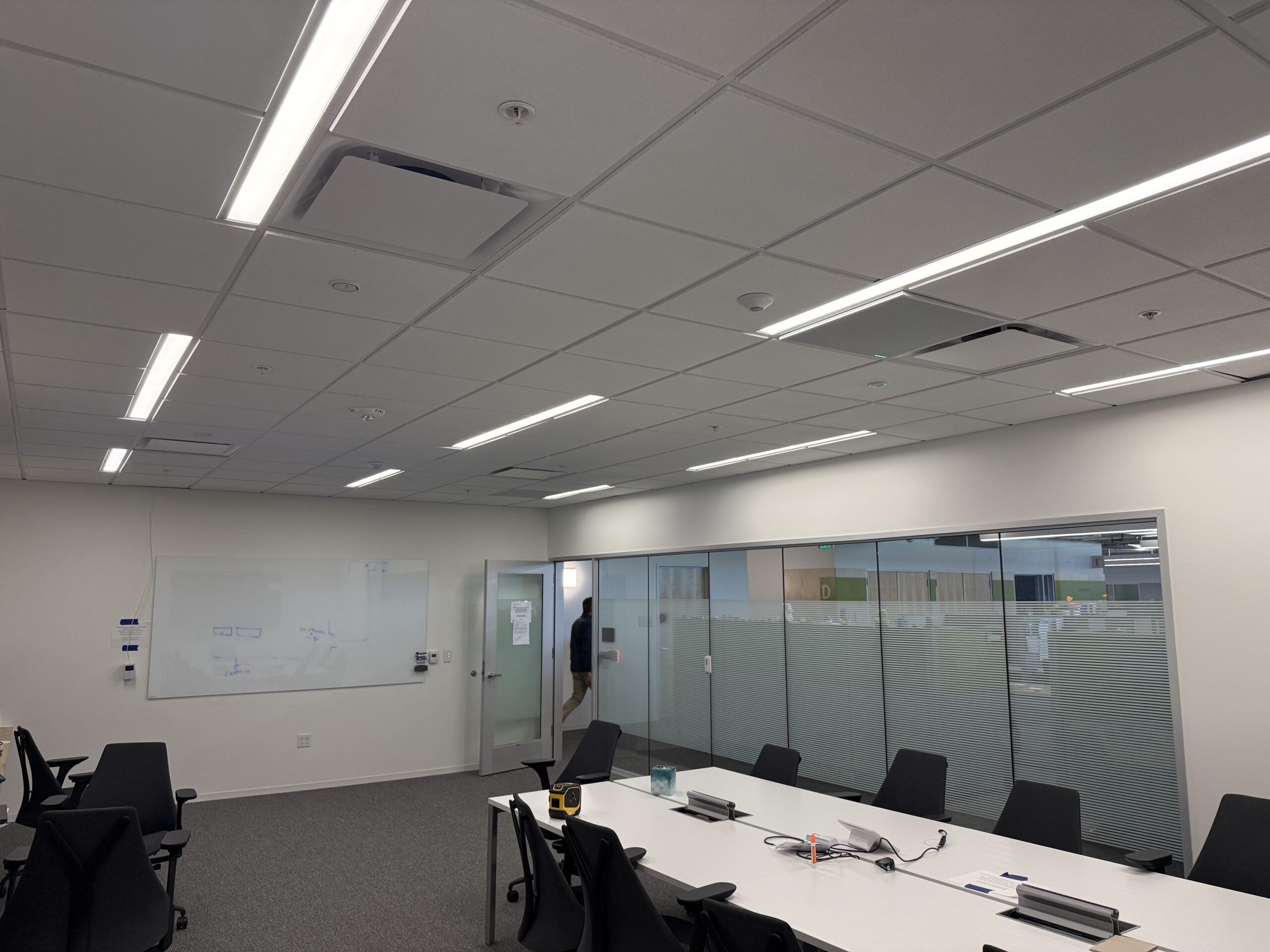
Personalized, air-conditioning technology tested on campus cut cooling demand by roughly 60 percent.
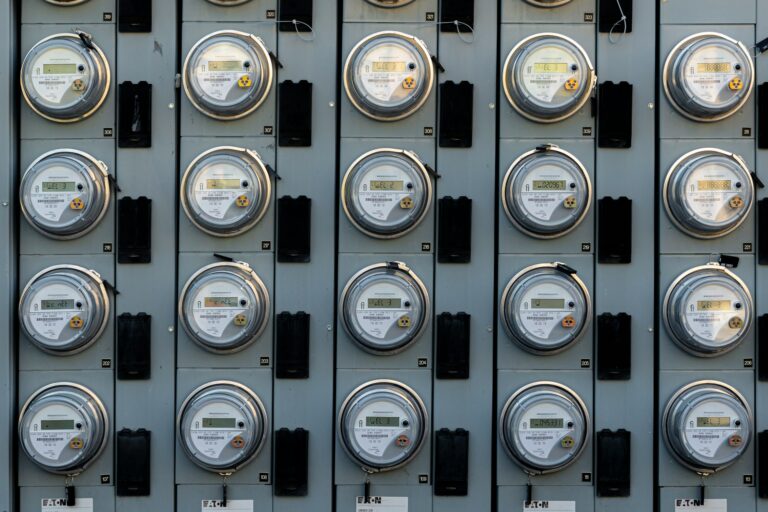
Stanford’s Facilities Energy Management group integrates AI with a foundation of well-maintained data and its own experts.