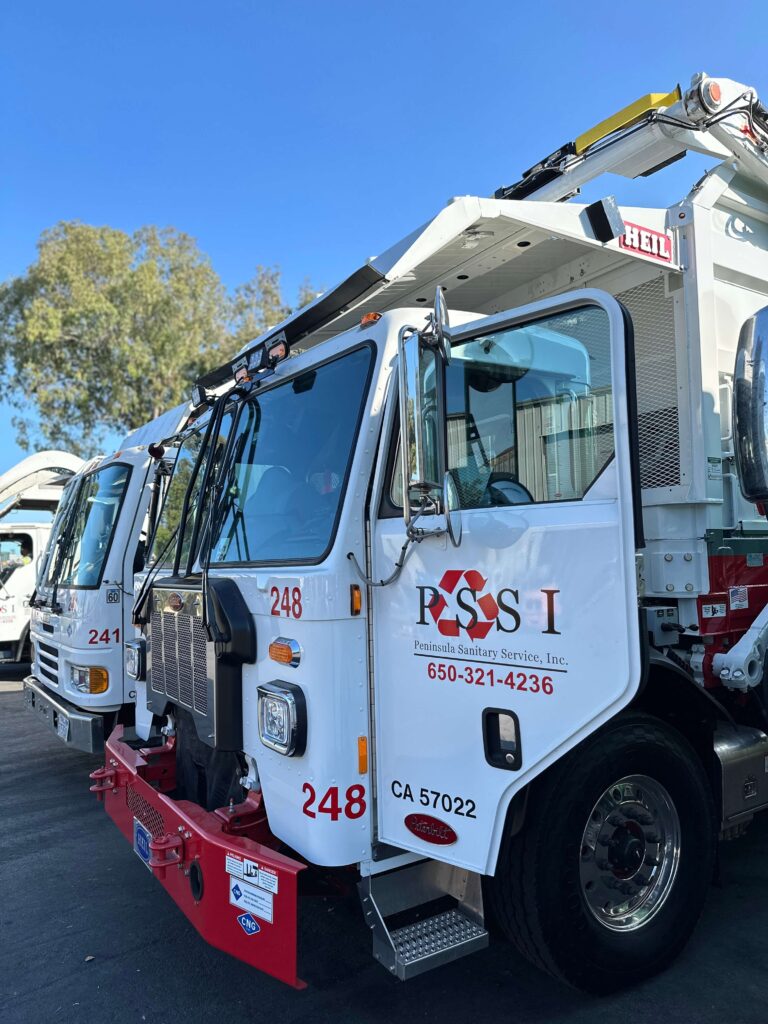
New Tech Increases Safety and Identifies Contamination
Stanford’s new contract with PSSI introduces a fleet management system that uses cameras, sensors, and AI to improve safety, monitor contamination, and optimize waste diversion.
The campus electric load is forecasted to exceed 80% capacity each day this week. Please reduce electricity from 2 to 6 p.m. this week to protect our overall campus power supply. (sustainable.stanford.edu/power-smart)

Stanford’s new contract with PSSI introduces a fleet management system that uses cameras, sensors, and AI to improve safety, monitor contamination, and optimize waste diversion.
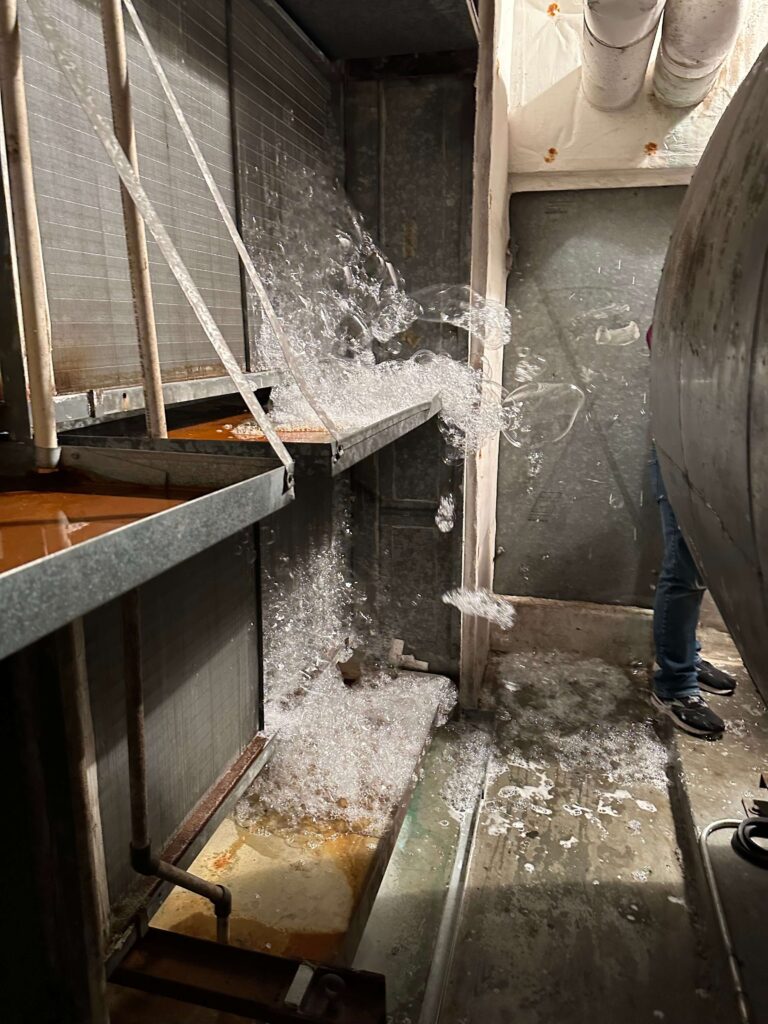
A new enzyme-infused foam to clean air handling coils showed potential for improved energy efficiency and reduced energy use.
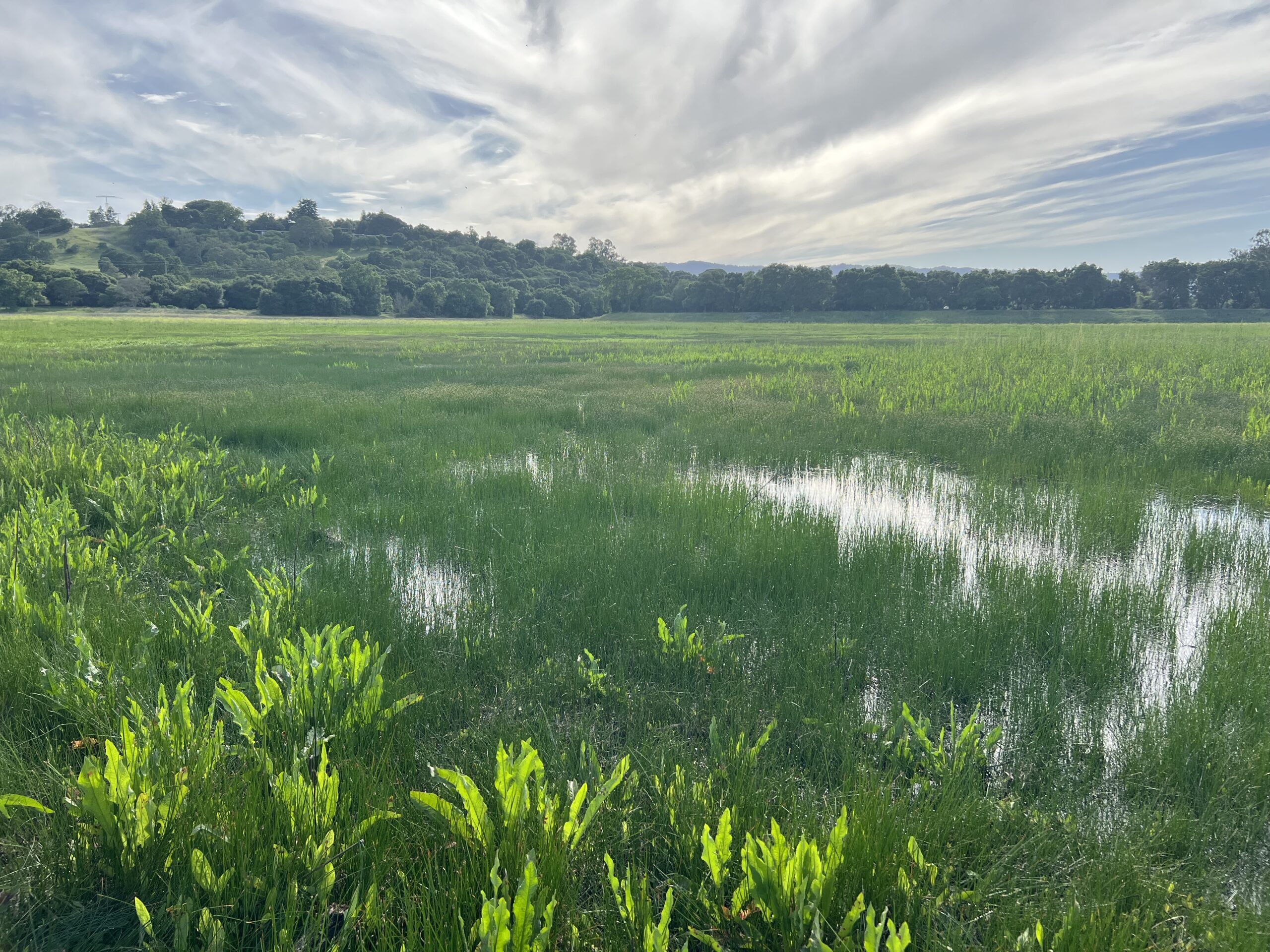
Campus water policies minimize waste and follow California guidelines for water efficiency.
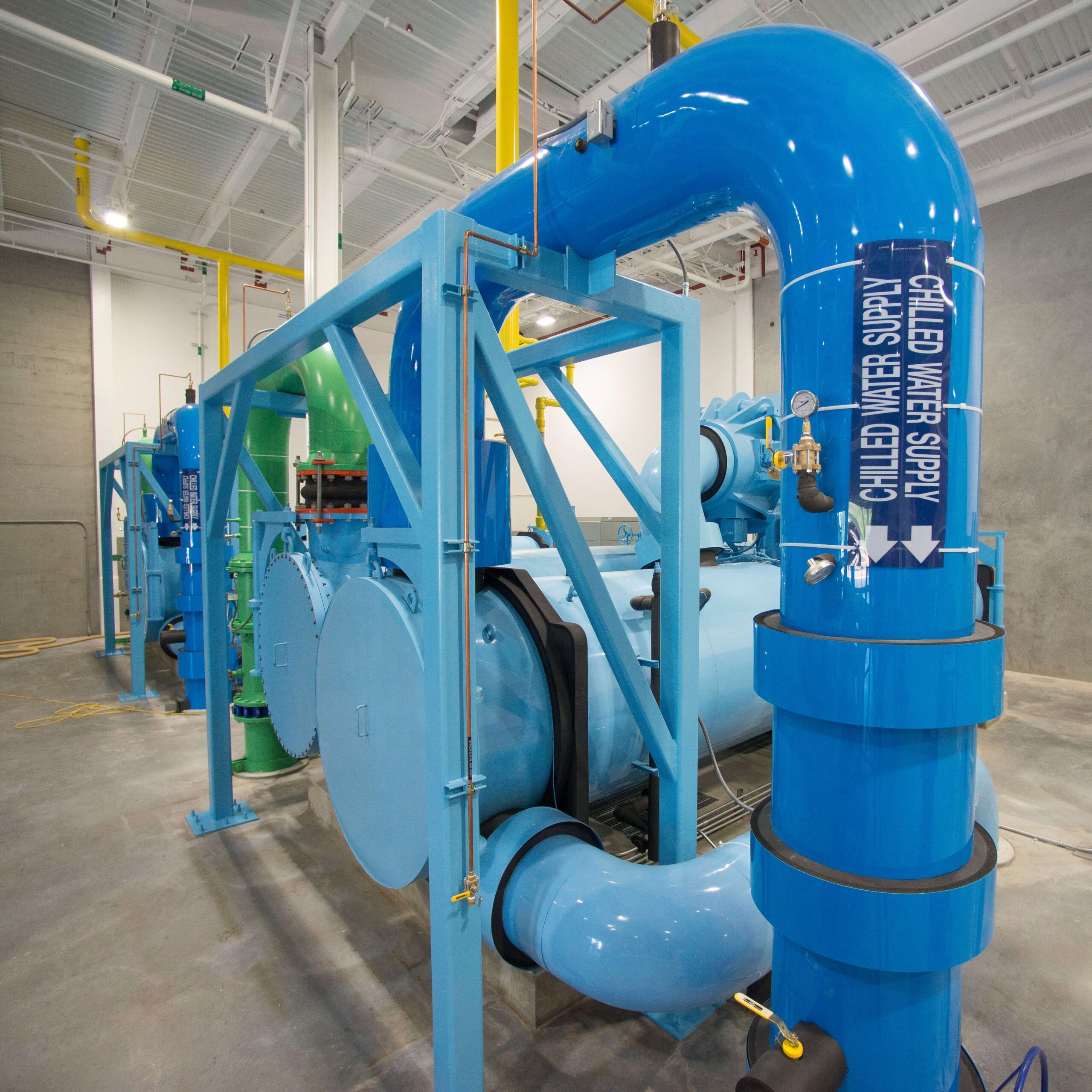
The Cooler Research Program offers data on chilled water management.
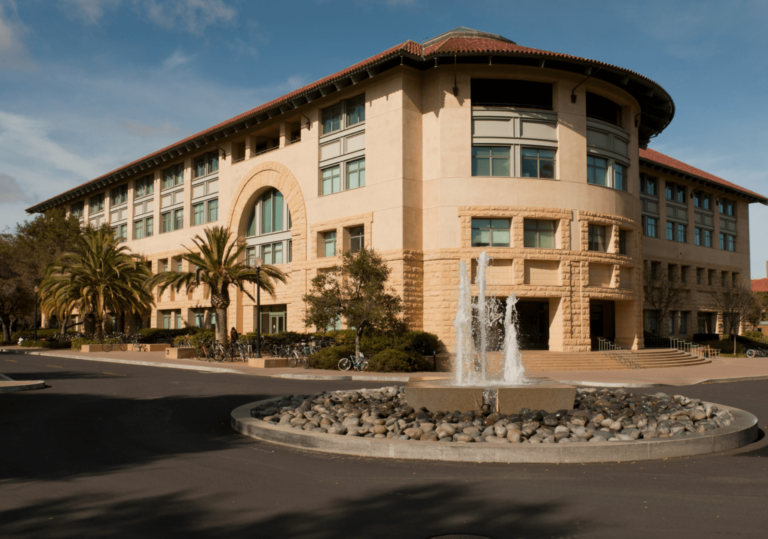
The Computer Science Building was remodeled to decrease energy usage.
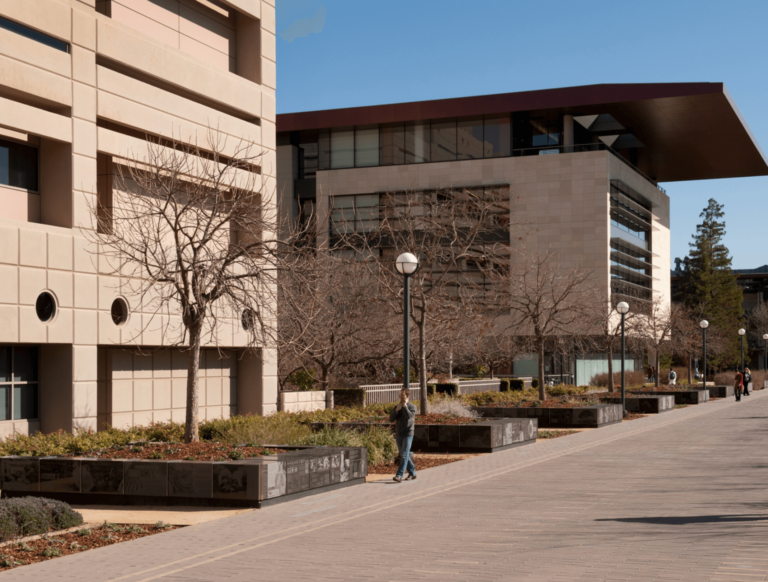
New LED lamps and fluorescent tubes save electricity and water for the School of Medicine.
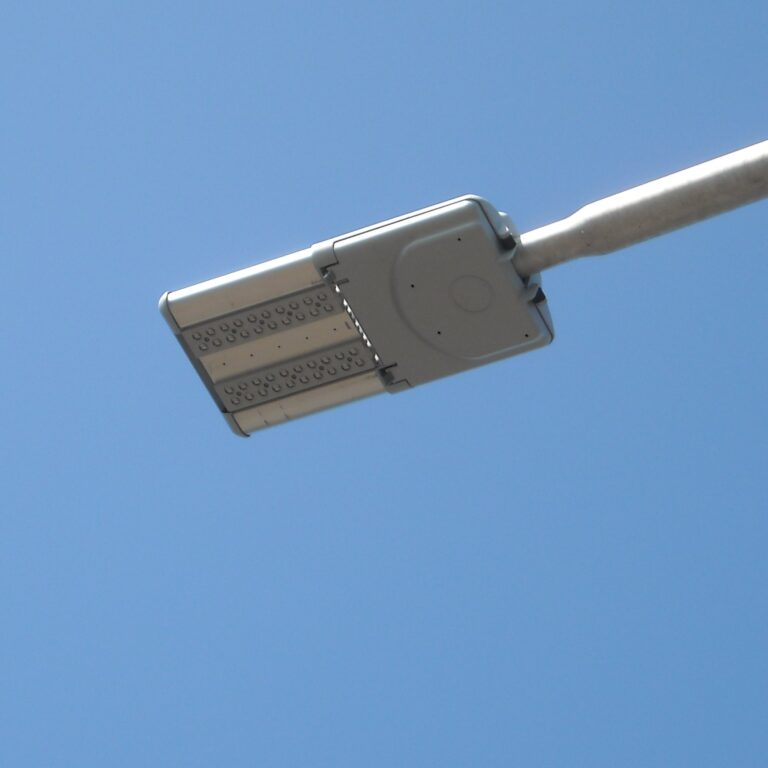
Stanford’s Boyd & Jill Smith Family Stadium upgraded to energy-efficient LED lighting, reducing electricity costs by $5,000 annually while improving color for televised events.
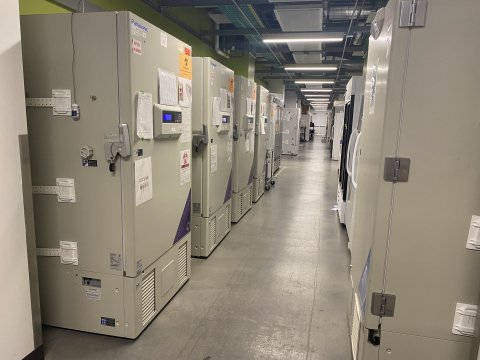
Stanford’s Energy Retrofit Program is helping labs reduce energy use by offering rebates for energy-efficient ultra-low temperature freezers, saving 97,000 kWh in fiscal year 2022.

Stanford completed its transition to 100% renewable electricity as Solar Generating Station #2 began commercial operation.

In accordance with emergency state regulations for water conservation, the university continues to prohibit wasteful water uses.