Growing Our Garden: Bringing More Water-Efficient, Biodiverse Turf to Campus
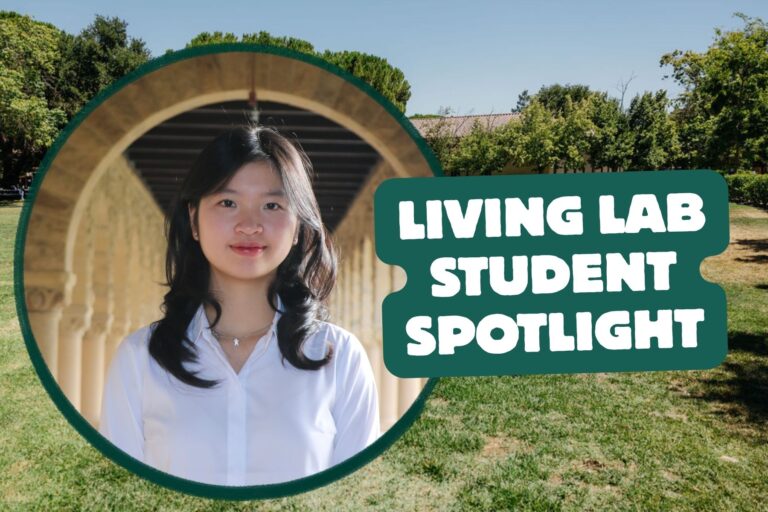
Kim Nguyen is in her second year as a Water Efficiency and Data Analysis Intern, is working to bring more water-efficient turf to residential areas on campus.

With the transformed campus population and continued hybrid work and learning opportunities, typical water use in many buildings has changed. While most buildings experienced decreased water consumption, some lab buildings on campus continue to have consistent water use due to critical lab equipment. However, with occupancy changes in the lab buildings over the course of the past academic year, it was suspicious when the monthly water use did not decrease in some of these buildings.
Building and facilities managers played a vital role in helping troubleshoot water use, finding leaks, and commissioning lab equipment to make sure that water was not wasted while researchers were not using certain lab equipment. The diligent work of facilities experts can help the campus save water every day.
Kim Nguyen is in her second year as a Water Efficiency and Data Analysis Intern, is working to bring more water-efficient turf to residential areas on campus.
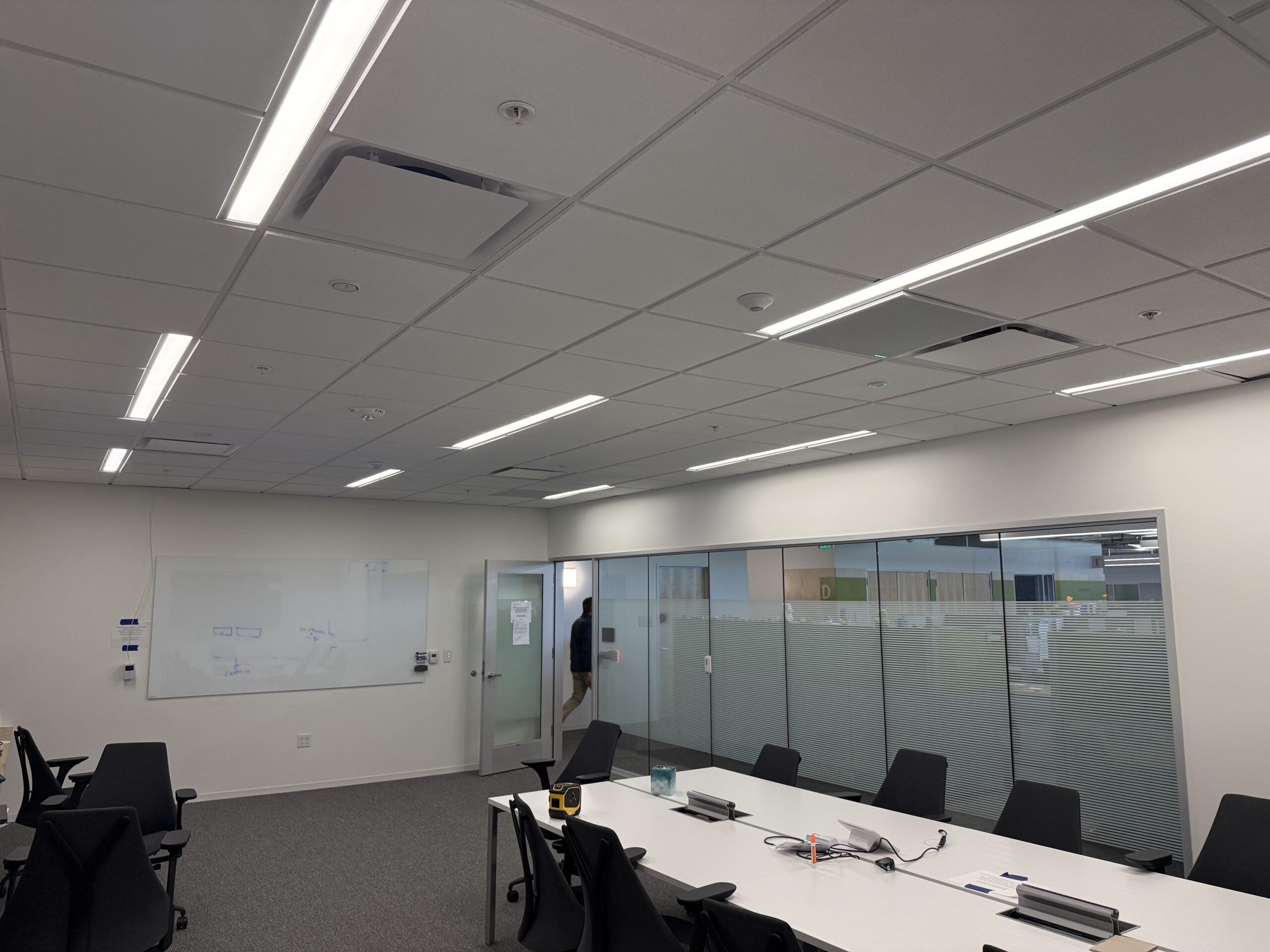
Personalized, air-conditioning technology tested on campus cut cooling demand by roughly 60 percent.
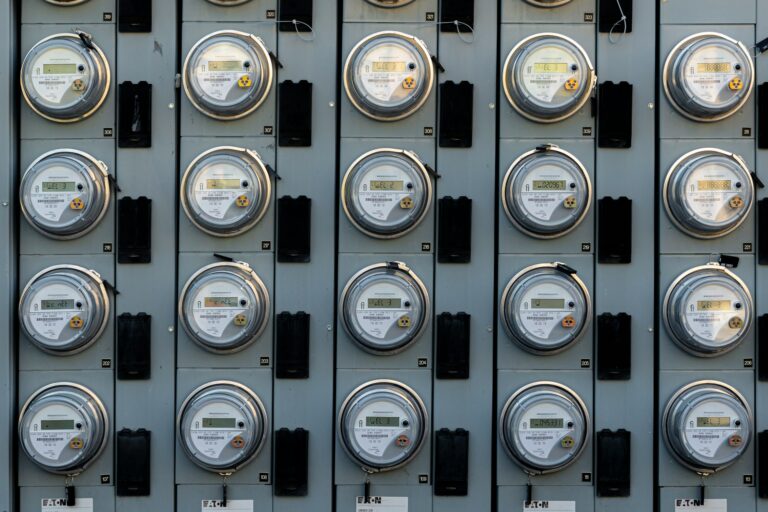
Stanford’s Facilities Energy Management group integrates AI with a foundation of well-maintained data and its own experts.