Growing Our Garden: Bringing More Water-Efficient, Biodiverse Turf to Campus
Kim Nguyen is in her second year as a Water Efficiency and Data Analysis Intern, is working to bring more water-efficient turf to residential areas on campus.

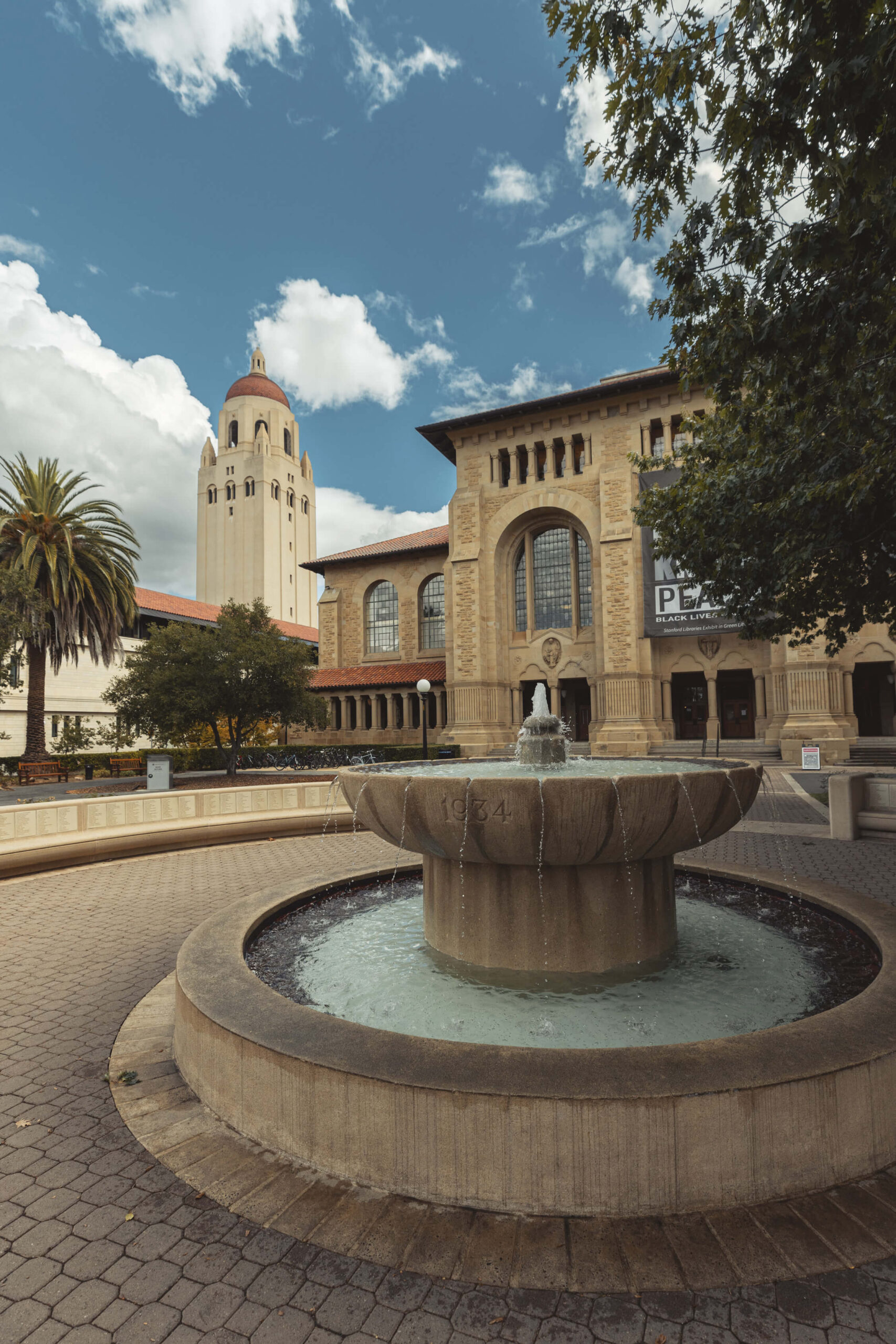
The east Green Library energy system has been updated through the Return Temperature Optimization Program (RTOP). This historical building utilized old-fashioned, pneumatic-controlled heating and cooling valves, and these were replaced with sustainable, pressure-independent electric control valves. Pressure-dependent systems lead to both excessive and insufficient space conditioning, given that the incoming pressure varies. Using pressure-independent valves in this renovation saves energy and increases thermal efficiency for hot and chilled water distribution to and from the Central Energy Facility.
Kim Nguyen is in her second year as a Water Efficiency and Data Analysis Intern, is working to bring more water-efficient turf to residential areas on campus.
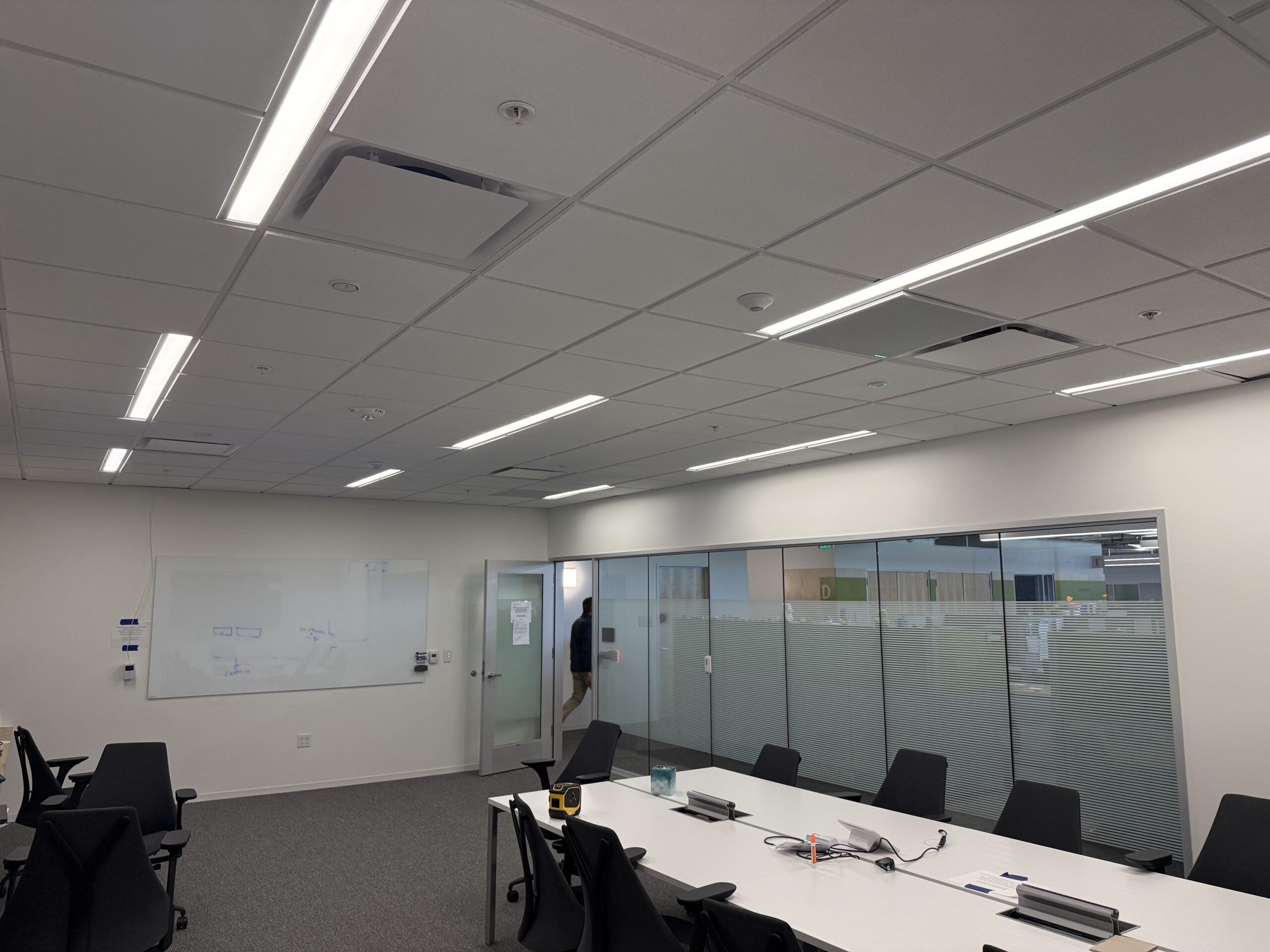
Personalized, air-conditioning technology tested on campus cut cooling demand by roughly 60 percent.
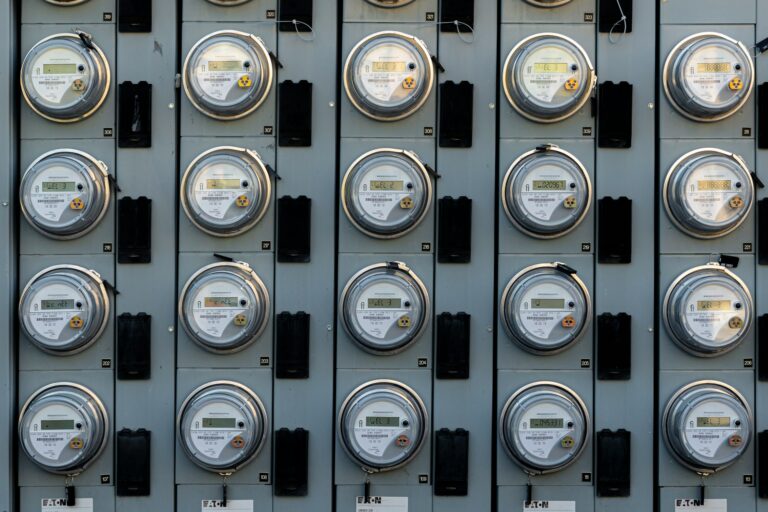
Stanford’s Facilities Energy Management group integrates AI with a foundation of well-maintained data and its own experts.