Machine Learning Insights for Better Waste Diversion
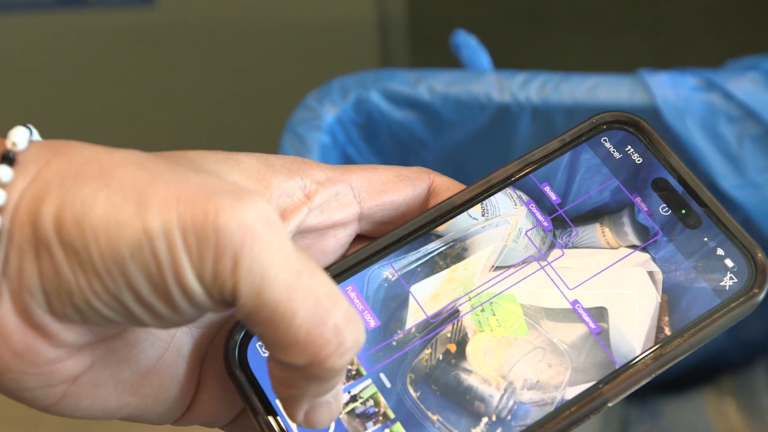
Stanford uses machine learning to translate routine waste-handling photos into information campus teams can act on.

Making lower-carbon design decisions requires good information early—but detailed building emissions assessments often depend on project information that is not yet available during initial planning. Stanford is testing whether machine learning can close that gap.
Using limited early-stage project information, a machine-learning tool combines industry life-cycle assessment data with project details to estimate a building’s embodied carbon. This could give project teams useful carbon insights sooner, when there is still time to evaluate lower-carbon options.
Initial testing across eight Stanford projects found that the estimates were generally comparable to completed Whole Building Life Cycle Assessments and took a fraction of the time to complete. The results also highlighted limitations in Stanford’s current spend-based emissions reporting. Stanford is continuing to evaluate whether this approach can support more representative reporting and help project teams identify carbon-reduction opportunities earlier in design.
Stanford uses machine learning to translate routine waste-handling photos into information campus teams can act on.

Info about the wide range of goods and services is spread across a number of sources, and machine learning helps Stanford make sense of this data.

Stanford’s first open houses for decommissioned buildings keep over 3,500 items out of the landfill and back in circulation across campus.