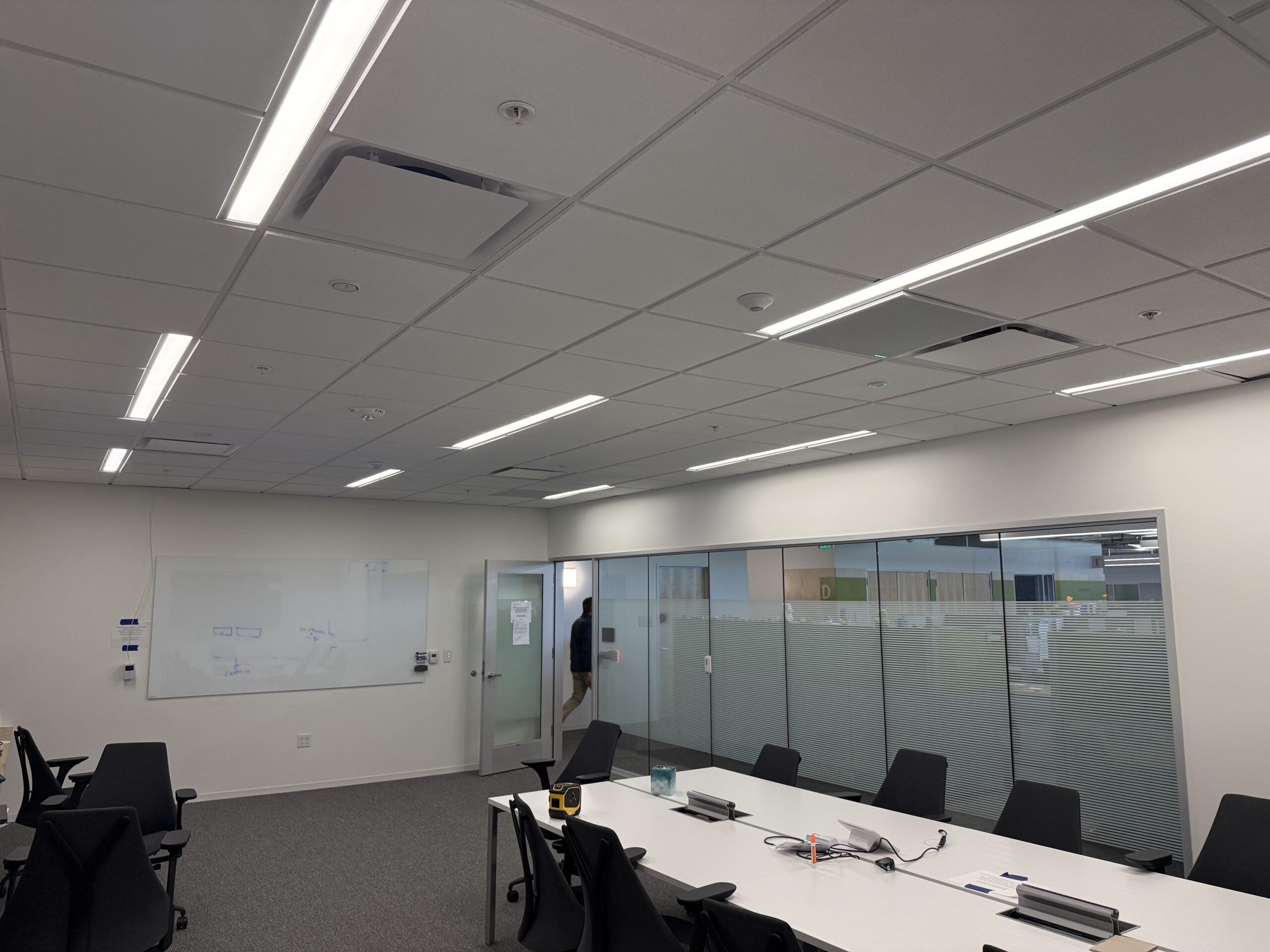
Smart Vents: Cooling People, Not Entire Rooms
Personalized, air-conditioning technology tested on campus cut cooling demand by roughly 60 percent.

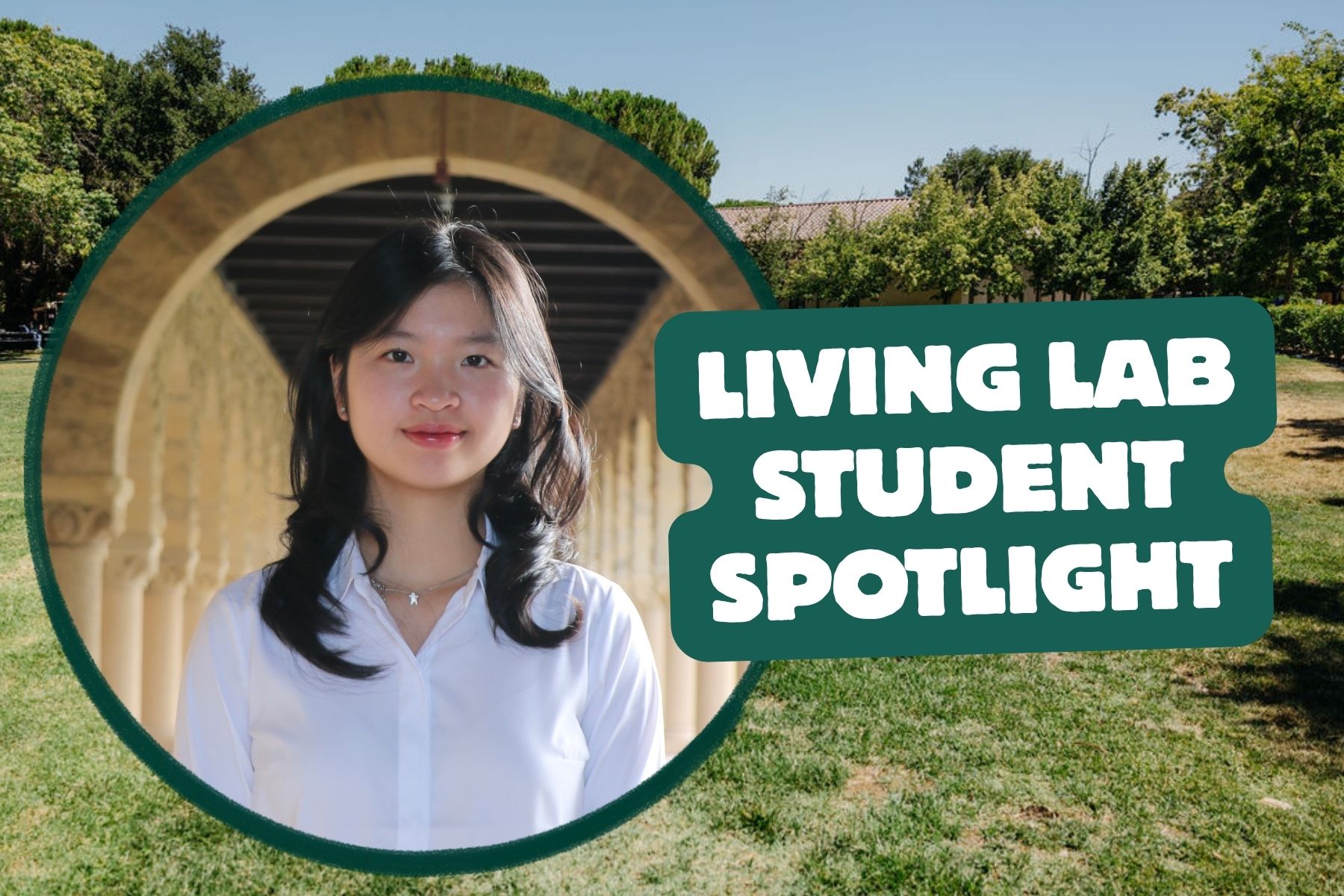
From the rolling green expanse of Meyer Green, to the sunny overhang of Palm Drive, to the unsuspecting mulch lining the walkway up to her freshman dorm, Kim Nguyen never could have imagined how she would one day have the opportunity to shape the campus landscape around her.
A junior studying civil engineering and data science, Nguyen is in her second year as a Water Efficiency and Data Analysis Intern with Residential and Dining Enterprises (R&DE), working to bring more water-efficient turf to Stanford campus. With much of Stanford covered in well-furnished lawns that require year-round watering and maintenance, Nguyen set out to evaluate if alternatives could be planted on campus to both reduce water usage, as well as increase Stanford’s biodiversity with native fauna. Nguyen’s first year in the internship was characterized by need-finding, constant revision, and feedback integration. “We were going at it like ‘Okay, let’s save water. Let’s reduce cost,’” said Nguyen about her and her team’s initial approach. Focusing on the landscaping in student areas and residences, Nguyen consulted university landscapers, horticulturists, and advisors, including mentor Debbie Andres, Assistant Director of Sustainability & Utilities in Stanford R&DE, to find suitable alternatives to residential, non-functional turf that could simultaneously expand the presence of native plants and pollinators on campus.
However, in narrowing down options, Nguyen came to a standstill. With many choices on the table— each plant unique in ecological niche, appearance, and growing requirements— Nguyen realized another voice needed to be consulted: the students’.
“I realized sustainability isn’t just about the numbers. It’s also about student satisfaction with the turf that they interact with because they’re the ones who’ll be interacting with it most.” – Kim Nguyen ‘28, Sustainable Stanford Living Lab Intern with Residential & Dining Enterprises
Collecting student surveys, Nguyen finalized and gained approval for a pilot project, launching this academic year. Planting a variety of turf across campus, the project hopes to monitor student satisfaction, water efficiency, and plant growing patterns over time. While currently collecting preliminary soil testing data, Nguyen plans to continue involving student voices, with students having the option to volunteer at planting dates planned for winter quarter.
Much like her longitudinal, internship project trialing a wide range of options, Nguyen’s own academic and career path in sustainability isn’t dissimilar to the blooming gardens underfoot. Nguyen’s experience largely centered on conservational work prior to coming to Stanford. In her time as an undergraduate, Nguyen has explored various aspects of sustainability, from classes in energy and Earth systems, to operational work with Sustainable Stanford, to student and cultural engagement as an officer in Students for Sustainable Stanford.
“Now is the time to explore and learn as much as possible,” says Nguyen on her future plans. “I want to take more time to narrow down my specific interests in sustainability,” With a marked passion for sustainability, Nguyen’s work is everywhere underfoot, the seeds sown sure to bloom each in their own time.
Personalized, air-conditioning technology tested on campus cut cooling demand by roughly 60 percent.

Stanford’s Facilities Energy Management group integrates AI with a foundation of well-maintained data and its own experts.
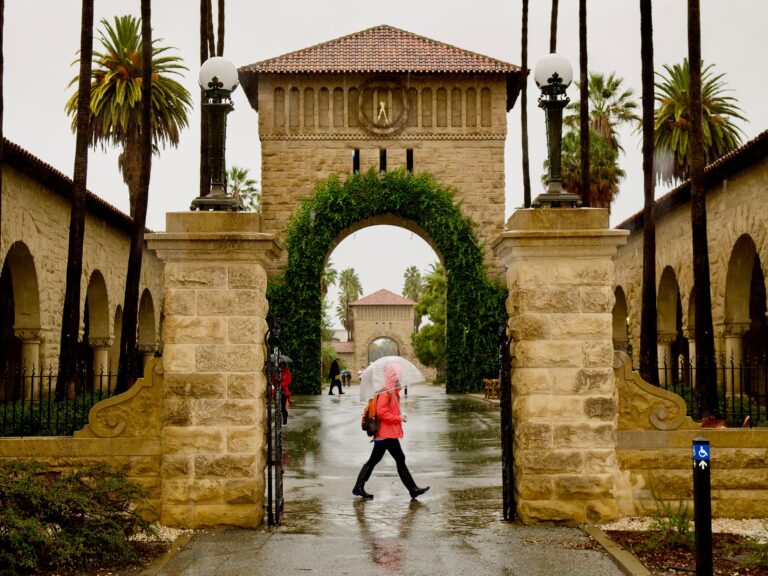
Past infrastructure enhancements for capturing and redirecting rainfall have strengthened campus readiness for winter storms.